
The Temple as an Economic Node
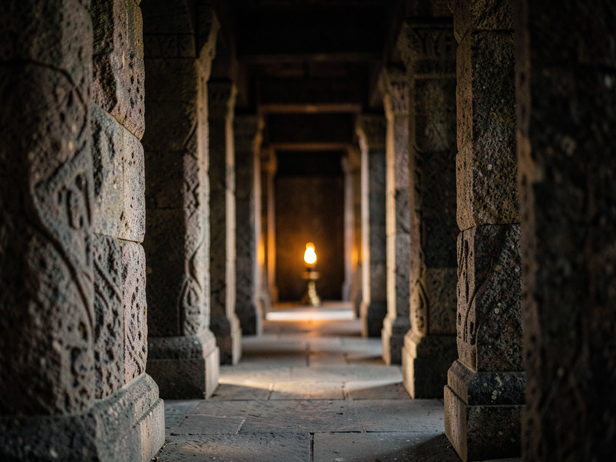
The Brihadeeswarar temple at Thanjavur, consecrated in 1010 CE under Raja Raja Chola I, employed over four hundred people in its first decades of operation. Priests, dancers, musicians, accountants, watchmen, cooks, the payroll survives in stone inscriptions along the temple walls, written in Tamil so precise that historians can reconstruct wage rates by role. This was not a house of worship that happened to employ people. It was an institution that organised the economy of the surrounding region, with worship as its animating purpose.













