Successful aquaculture facilities rely on infrastructure that supports long-term stability and efficient production. Structural material choices strongly influence operational performance and profitability in fish farming. Modern RAS (Recirculating Aquaculture Systems) therefore prioritise materials that tolerate constant moisture, chemicals, and pressure without deterioration.
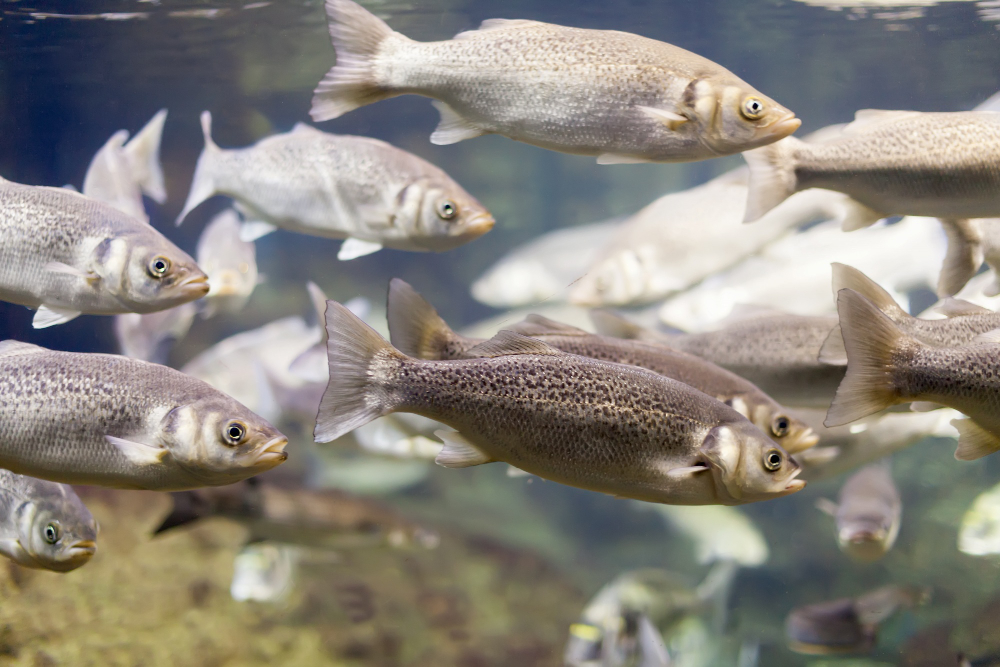
Upgrading your fish farming infrastructure requires a highly reliable and permanent material choice. Modern facilities achieve superior longevity by integrating a reliable fiberglass for RAS system for predictable production.
Why Fiberglass for RAS System Infrastructure Changes Farm Stability
- Fibreglass infrastructure significantly enhances overall operational stability across demanding fish farming systems.
- Strong composite structures easily support necessary filtration equipment during continuous water exposure.
- Total corrosion resistance protects vital structural components in chemically treated aquatic environments.
- Lightweight building profiles simplify complex installations within highly confined treatment areas.
- Extended service life reduces expensive structural replacement cycles for facility managers.
- Non-conductive properties successfully improve strict electrical safety near heavy aquatic pumping systems.
Operational Efficiency Gains from Fiberglass for RAS System Design
Efficient aquaculture operations depend on infrastructure that withstands continuous mechanical and environmental pressure. Engineers increasingly select fiberglass for RAS system structures when designing service bridges, treatment platforms, and filtration access areas.
Fiberglass profiles resist aggressive aquaculture conditions without corrosion or structural decline. Their lightweight form simplifies transport and installation inside indoor fish farming facilities.
Low maintenance requirements reduce repair cycles, while structural stability supports uninterrupted water treatment processes across recirculating aquaculture systems.
Engineering Design Advantages in Recirculating Aquaculture Facilities
Infrastructure within modern fish farms must balance durability, worker safety, and installation flexibility. Fiberglass for RAS systems support this balance through practical engineering characteristics.
Design flexibility allows engineers to create customised platforms around fish tanks, filters, and water channels. Pultruded profiles also integrate smoothly with existing RAS frameworks.
Slip resistant gratings improve worker safety along walkways and maintenance platforms. Stable footing remains essential during daily inspection and feeding routines. Material durability also helps fish farming facilities meet strict hygiene standards. Smooth surfaces simplify cleaning procedures within controlled fish production environments.
Conclusion
Smart aquaculture operators increasingly review infrastructure materials alongside biological performance. Structural reliability influences production stability more than many farms expect. Fiberglass systems for fish farming provide corrosion resistance, low maintenance demands, and dependable structural behaviour. This practical combination explains why many modern fish farms carefully reconsider conventional materials when planning long term RAS infrastructure.