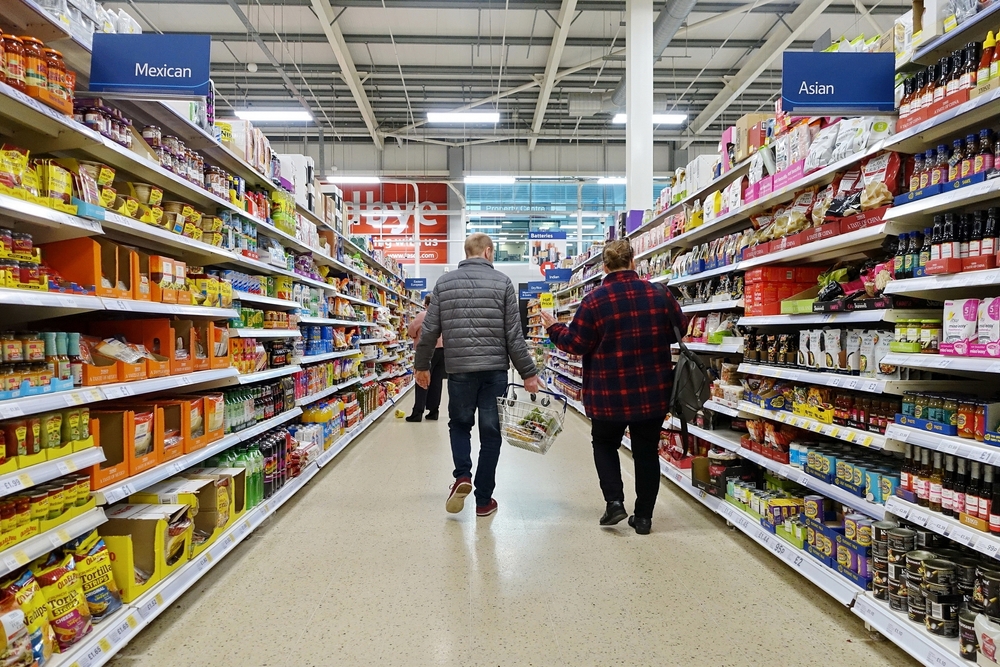
For years, shoppers have relied on the so-called affordable aisles to stretch their grocery budgets. These sections, often lined with store-brand items and bulk deals, promised relief when prices elsewhere climbed. But lately, many consumers say that even these once-reliable shelves no longer feel like a bargain. The grocery store landscape has shifted, and the “affordable” aisles are showing cracks. Understanding why this change matters is key for anyone trying to make sense of the new normal in food costs.

1. Store Brands Aren’t the Bargain They Used to Be
Once the go-to choice for frugal shoppers, these items have seen a rise in cost, often matching or even surpassing name-brand equivalents on sale. Many shoppers used to fill their carts with store-brand pasta, canned goods, and cereals without hesitation. Now, a quick glance at the shelf tags shows that savings might be just a few cents—or none at all.
Retailers face higher costs for ingredients, packaging, and transportation. They can’t absorb all of it, so prices get passed on to shoppers. When a box of store-brand crackers costs nearly as much as its branded rival, the psychological win of “buying smart” disappears. For families on tight budgets, that shift feels like a betrayal of trust more than a simple market correction.
2. Shrinkflation Is Quietly Changing the Math
Another reason grocery prices feel out of control is shrinkflation—the stealthy reduction of package sizes while prices stay the same. A bag of chips or a box of cereal might look identical, but a few ounces have vanished. That means shoppers pay more per unit without realizing it. The affordable aisles, once a safe haven for bulk purchases, now conceal these subtle cuts that make budgeting more challenging.
Manufacturers argue that smaller packages help manage production costs without shocking customers with visible price jumps. But consumers aren’t fooled for long. When they notice their groceries running out faster, the frustration grows. This quiet erosion of value chips away at the idea that the affordable aisles still live up to their name.
3. Sales and Coupons Aren’t Stretching as Far
Not long ago, a stack of coupons could make a noticeable dent in the grocery bill. Today, even diligent couponers often find that discounts rarely offset the rising prices of groceries. Many stores have tightened coupon policies or shifted to digital-only systems that can be confusing for some shoppers. Meanwhile, sales cycles have shortened, and the best deals often exclude popular staples.
For many, the grocery store has become a place of constant mental math. A shopper might plan a trip around a sale, only to find limits on quantities or exclusions hidden in fine print. The savings culture that once defined the affordable aisles feels harder to access. It’s not that deals have vanished entirely, but they no longer provide the same sense of control over spending they once did.
4. Supply Chain Costs Keep Rippling Through
Even as headlines about supply chain disruptions fade, their effects remain embedded in grocery prices. Transportation, packaging, and labor costs have risen sharply over the past few years, and many suppliers have yet to roll back these increases. When fuel prices spike or shipping delays occur, retailers adjust prices across all aisles—especially those with affordable products, where margins are thin.
Some grocers have attempted to offset these increases by offering loyalty programs or limited-time discounts. But these efforts can’t fully counteract the structural cost changes that have taken root. The result is a steady upward drift in prices that feels permanent. It’s a reminder that the grocery store economy is deeply interconnected, and even small disruptions ripple down to the consumer level.
5. Shopping Habits Have Shifted
During the pandemic, many shoppers adapted their shopping habits—buying in bulk, ordering online, or trying out subscription services. These habits haven’t entirely reversed, and they affect how grocery prices are perceived. A shopper used to buying a month’s worth of staples online might flinch at the in-store sticker shock when they return. The “affordable” aisles no longer feel like a refuge but rather a reflection of broader inflationary trends.
Some consumers now combine traditional shopping with meal kits or visits to warehouse clubs, seeking better per-unit costs. But even those strategies have limits. When every channel shows higher prices, the sense of choice erodes. The affordable aisles, once a symbol of control, now highlight how few real options remain.
6. Emotional Fatigue Plays a Role
Money stress is about more than math. After years of fluctuating costs, shoppers feel worn down by the constant vigilance needed to manage grocery prices. The affordable aisles used to offer a small sense of relief—a place where you could breathe, knowing you were getting value for your money. Now, even that comfort feels uncertain.
When people feel they can’t trust the price tags, they change their behavior. Some cut back on variety, others skip favorite brands, and many simply buy less food. The emotional toll of this shift is real, shaping how people experience everyday shopping. The grocery store, once a routine stop, has become a place of quiet frustration.
Where Do Shoppers Go from Here?
The rise in grocery prices has turned the concept of “affordable” aisles into a moving target. Shoppers are adapting, comparing unit costs, and seeking out smaller stores or discount chains that still offer genuine value. But the broader problem remains: the baseline cost of groceries has shifted upward, and few expect it to drop soon.
Understanding these changes doesn’t make the checkout total any easier to face, but it can help shoppers make more informed choices. Whether it’s comparing store brands, watching for shrinkflation, or exploring alternatives like USDA food waste reduction ideas, the key is staying alert. The affordable aisles may never fully return to their old status, but informed shoppers can still find small ways to reclaim value. How have your grocery habits changed as prices keep rising?
What to Read Next…
- 15 Shocking Grocery Price Comparisons That Will Change How You Shop Forever
- Why Some Grocery Chains Decline and Others Improve Common Factors
- Grocery Budget The 7 Real Reasons You Can’t Afford Enough Groceries
- Are Grocery Deals Worth It 13 Unvarnished Realities Every Consumer Should Know
- Why Your Grocery Stores Loyalty Program Is Secretly Costing You Money
The post Why Shoppers Say the “Affordable” Aisles Are No Longer Affordable appeared first on Grocery Coupon Guide.