Get all your news in one place.
100's of premium titles.
One app.
Start reading
The Conversation
The Conversation
Steven W. Kerrigan, Professor of Precision Therapeutics, School of Pharmacy and Biomolecular Sciences, RCSI University of Medicine and Health Sciences

Why sepsis is becoming harder to treat in Europe

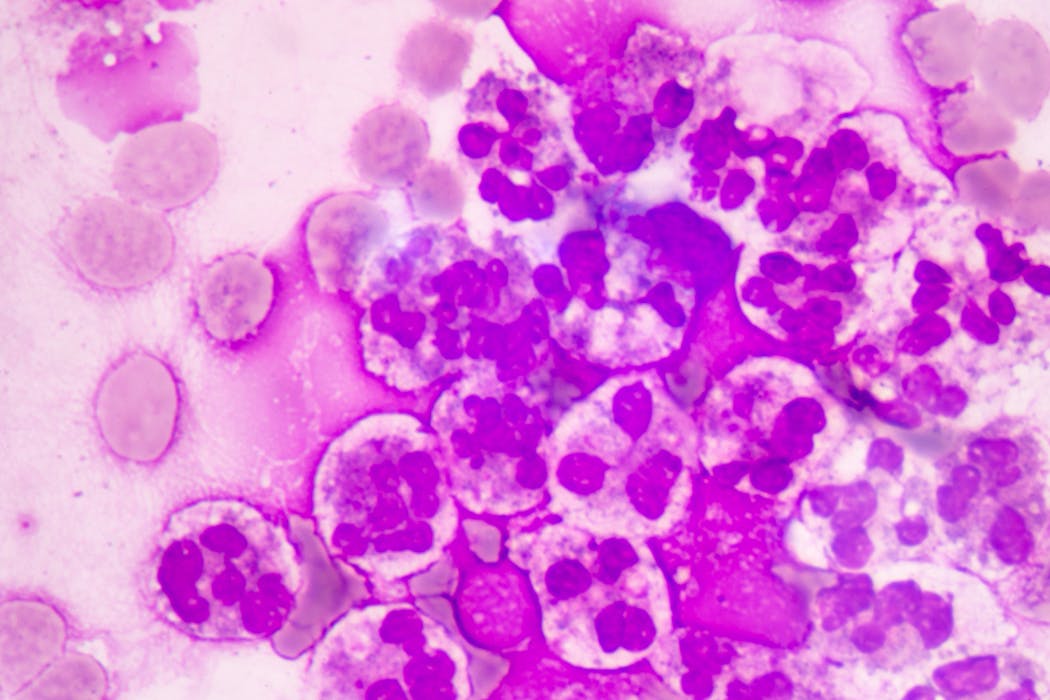
Microscope image of neutrophils, immune cells that respond to infection. Severe infections can trigger sepsis if the body’s inflammatory response becomes uncontrolled. S.Toey/Shutterstock

Sepsis moves fast. A patient can arrive at hospital with what appears to be a routine infection and, within hours, develop organ failure. Survival often depends on how quickly treatment begins.

Across Europe, doctors are seeing increasingly complex cases. Populations are ageing and more people are living with chronic illness. At the same time, antimicrobial resistance, when bacteria no longer respond to antibiotics, is making infections harder to treat. Together, these pressures are reshaping the landscape of sepsis.

Sign up to read this article
Read news from 100's of titles, curated specifically for you.
Already a member? Sign in here
Related Stories
Top stories on inkl right now
One subscription that gives you access to news from hundreds of sites
Already a member? Sign in here
Our Picks
Fourteen days free
Download the app
One app. One membership.
100+ trusted global sources.