Image Source: 123rf.com
When you walk into a high-end baby boutique, the scent of new plastic and organic cotton can feel like a rite of passage. It is easy to believe that spending a small fortune on a nursery is a direct reflection of your love. However, the retail industry spends billions on psychological marketing to convince you that love equals a high price tag. Savvy moms are finally waking up to the reality of depreciating assets. Most kid gear loses half its value the second you leave the store. We want to help you opt out of the consumerist cycle that drains your savings before your child even walks. Here is why buying these 7 kid essentials brand new is a financial trap.
1. The Stroller Depreciation Trap
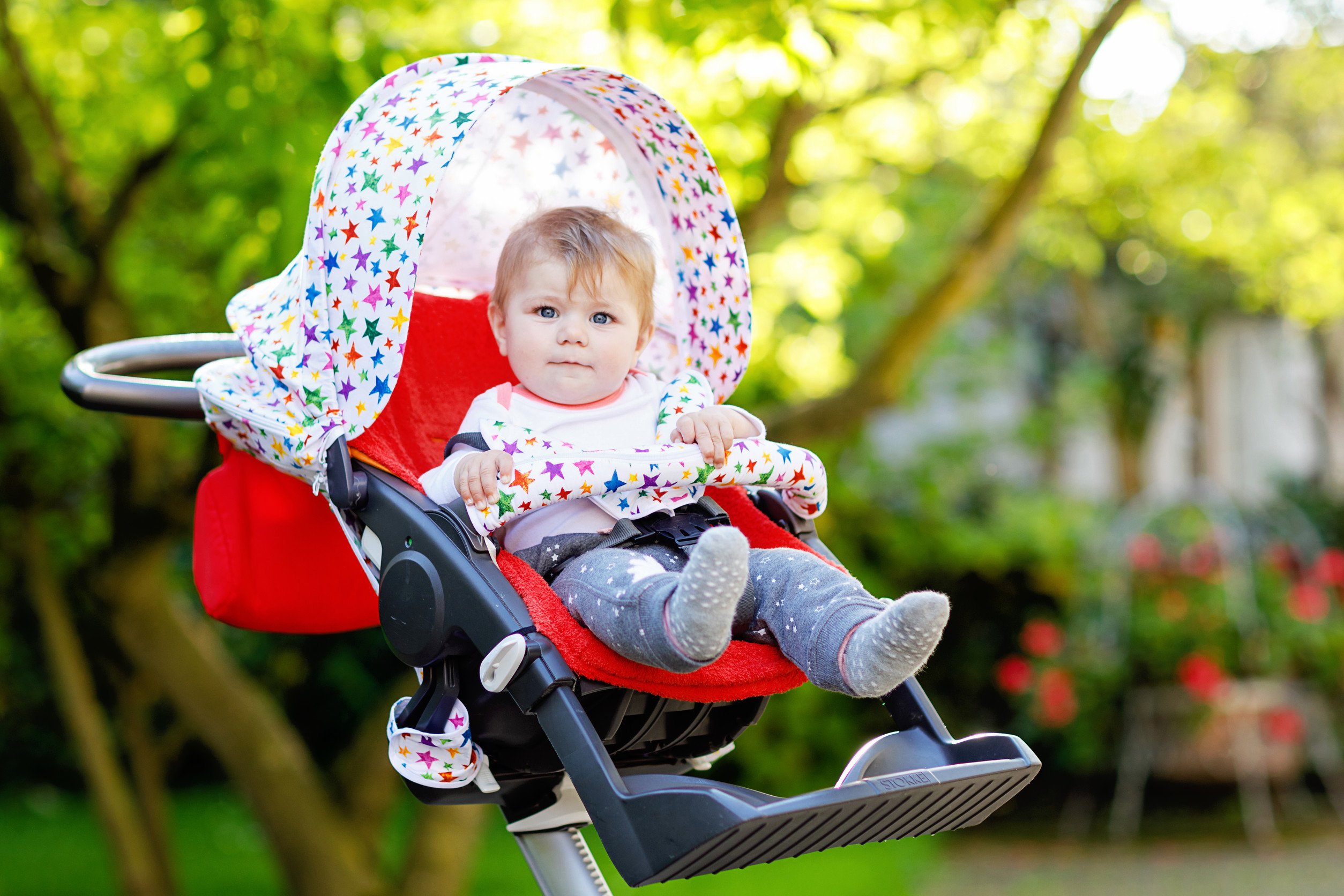
High-end strollers are the luxury SUVs of the parenting world. You see them priced at over a thousand dollars in glossy magazines, often marketed with advanced suspension systems as a safety requirement. The truth is that many of these strollers end up in garage sales after only eighteen months. You can find top-tier brands like UPPAbaby or Bugaboo on marketplaces for a fraction of the cost. According to Consumer Reports, many used strollers remain perfectly safe if they lack damage or recalls. Buying used allows you to skip the massive initial markup. You can score high-end baby brands at consignment prices by knowing where to look.
2. Why Hardwood Nursery Furniture is a Sunk Cost
Surprisingly, that heirloom-quality crib is not a great financial investment. Most infants only use a crib for two years before moving to a toddler bed. The system of nursery decor relies on nesting instincts to drive emotional spending, like buying a dresser that matches the crib perfectly. Then, your toddler inevitably scratches the wood or spills juice on the finish. On the other hand, the secondary market is flooded with nursery sets from parents who need the space. You can often find solid wood pieces for eighty percent off the retail price. Focusing on a minimalist nursery approach ensures you only buy what you actually need.
3. The High Cost of Tiny Occasion Wear
Have you ever spent eighty dollars on a flower girl dress that your child wore for exactly four hours? Retailers love occasion wear because they know parents feel pressured to make memories look perfect. This clothing has almost no resale value once the season passes. You can find these items at consignment shops in pristine condition. Many of them still have the original tags because the previous child grew too fast. Opting for used formal wear doesn’t make the photos less special. It simply makes the bill easier to stomach while you save for the actual celebration.
4. High Chairs and the Cleaning Nightmare
Manufacturers design high chairs to look sleek and modern in your kitchen. However, after three meals, every high chair becomes a magnet for dried oatmeal and sticky juice. Buying a new high chair is often a waste of money because the materials are highly durable. Plastic and metal frames last through multiple children without losing any functionality. You can easily sanitize a used chair with basic household cleaners. According to the American Academy of Pediatrics, the main concern is the stability of the harness. If the straps work, a used chair is just as effective and saves you nearly a hundred dollars on average.
5. Why Activity Jumpers are Fleeting Phases
These large plastic contraptions take up a massive amount of floor space. Most babies only enjoy them for a window of about four months. Once they learn to crawl or walk, the jumper becomes a giant dust collector. The retail price for these items is often over sixty dollars, but you can find them at thrift stores for ten dollars. Most parents are desperate to get them out of their houses to reclaim their living room. Taking a used jumper off their hands is a win for everyone, as you get the gear for pennies.
6. Plastic Outdoor Toys and Playhouses
The sun is the enemy of expensive plastic playhouses. Within one summer, the bright colors fade and the material starts to weather. Buying these brand new is a mistake because they are built to withstand the elements anyway. A used playhouse functions exactly the same as a new one. You can find them on local community boards for free if you are willing to haul them away. Children do not care if the plastic is slightly faded. They only care about the imaginary world they build inside. Use that saved cash to build a college fund on a single income instead.
7. Specialized Training Gear and Sports Equipment
Kids change their minds about hobbies faster than they change their socks. You might buy brand new soccer cleats and pads only for your child to quit after two weeks. The sports industry relies on this churn of equipment to drive profits. You should always look for used sports gear during the first year of a new activity. Many league families trade equipment as kids grow. This ensures you aren’t stuck with expensive gear for a sport your child no longer plays. It is a smart way to support their interests without risking your 2026 budget.
Winning the Parenting Budget Battle
The goal of this investigation is to validate your choice to spend wisely. You are not a cheap parent for choosing used items. You are a savvy one who understands the hidden costs of retail marketing. Empowerment comes from realizing that your child needs your presence more than new plastic. By refusing to buy these 7 kid essentials brand new, you reclaim thousands of dollars. This money can fund family experiences that actually last a lifetime. You deserve to have financial peace while raising your family. It is time to treat your household budget with the authority it deserves. Which of these items have you successfully found used? Leave a comment below and share your best marketplace find with us.
What to Read Next…
- 8 Once-Normal ’70s Kids Hobbies That Helicopter Parenting Quietly Killed
- 5 Baby Products Pediatricians Warn Parents to Stop Using Early
- Pediatricians Say Parents Are Overbuying These 4 Baby Items (And Skipping What Matters)
The post Why Savvy Moms Are Refusing to Buy These 7 Kid Essentials Brand New appeared first on Kids Ain't Cheap.