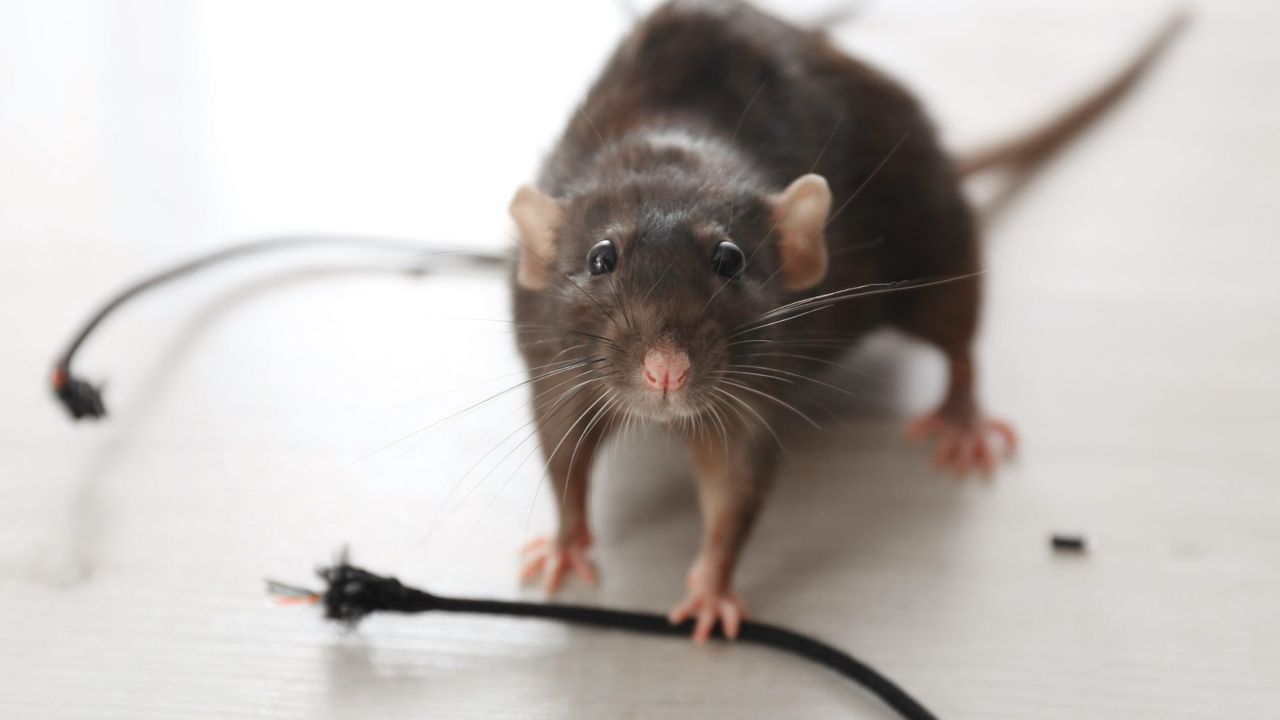
It’s often unnerving when you spot a rat scurrying across your property — especially during these summer months, when you want to enjoy the outdoors. Not only are these pests on the hunt for food and shelter, but they may also be causing significant damage to your garden appliances and power cables.
According to an expert, rat activity peaks during warmer months, as rats gnaw to keep their teeth worn down. Since their teeth never stop growing, rats need to constantly chew on hard materials to prevent them from overgrowing — making our outdoor power cables an easy target.
“Rats seem to like chewing on electrical wires, which can be a real nuisance,” states Adam Wilkins, Managing Director of LightingLegends.
“If they gnaw hard enough, they can actually cause some real damage to garden appliances, and you’ll have to replace the wiring or, in some cases, the whole appliance.”
The good news is that you can keep these pests from invading your outdoor space by implementing these expert-approved top tips.
Here are three simple things you can do in your yard to keep rats out and save your yard's electrical appliances from damage.
1. Cover or repair entry points
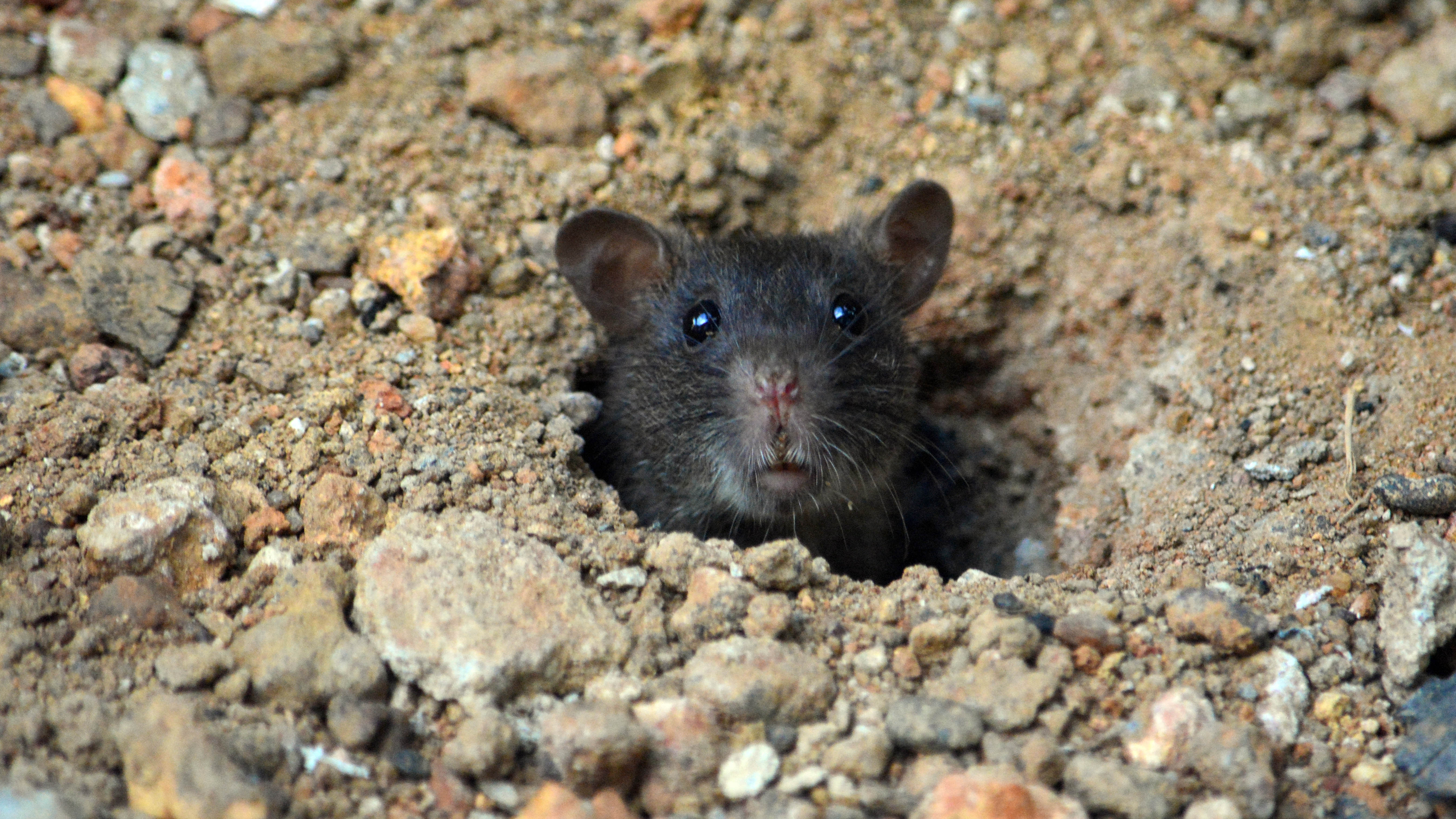
The first thing is to inspect your yard for holes and gaps in fences, uncovered drain covers, or any other potential entry points that rats can use to enter your property.
"Repair holes in sheds and fences to prevent rats from accessing the garden,” advises Wilkins.
“Since rats often travel through drains, consider repairing any broken drain covers. You can also cover rat burrows with wire mesh to prevent it from reopening.”
Another top tip is to get rid of any yard clutter — including piles of lumber, garden waste, or even old tires. Such things may serve as a nesting site for rodents to hide and seek shelter. So always keep it tidy and well maintained.
Ultimately, the key is to ensure your outdoor environment is highly uninviting, making it difficult for rodents to easily enter your outdoor space.
Also, is your neighbor's cluttered yard attracting rodents to your home? I asked the experts what to do.
2. Remove any food sources
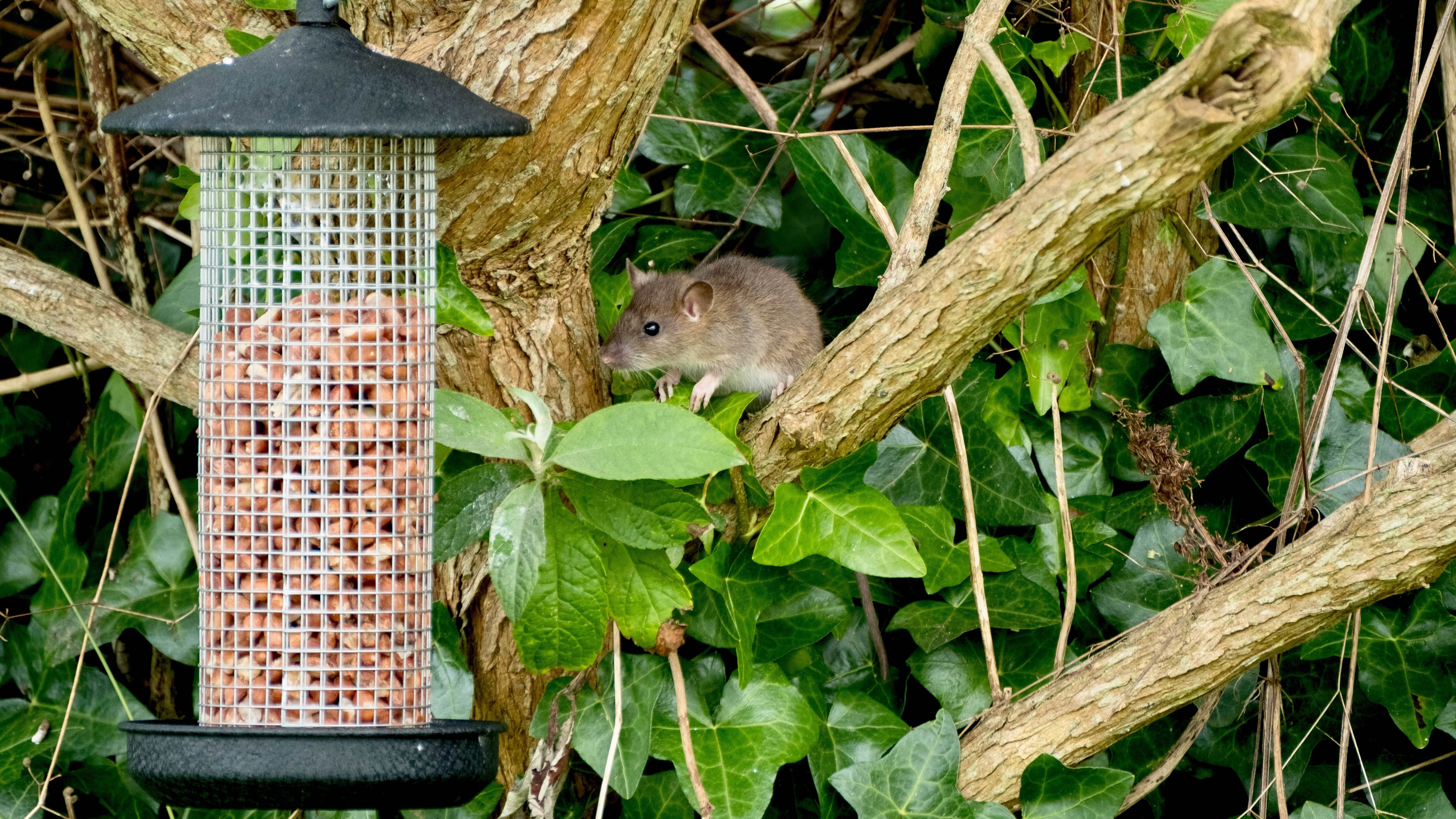
Secondly, remove any potential food sources that will entice rats to keep coming back (and feasting in your yard). Things like fallen fruit, standing water, or even dropped bird food can all attract rodents.
“Rats are usually on the lookout for suitable shelter with food so remove any fallen fruit, nuts or vegetables that they may find enticing,” adds Wilson.
Be sure to pick up any fruit that has dropped from your trees, tidy up scattered bird seed from the patio, and regularly drain any stagnant water or pet dishes to avoid attracting unwanted visitors.
3. Secure your compost bins
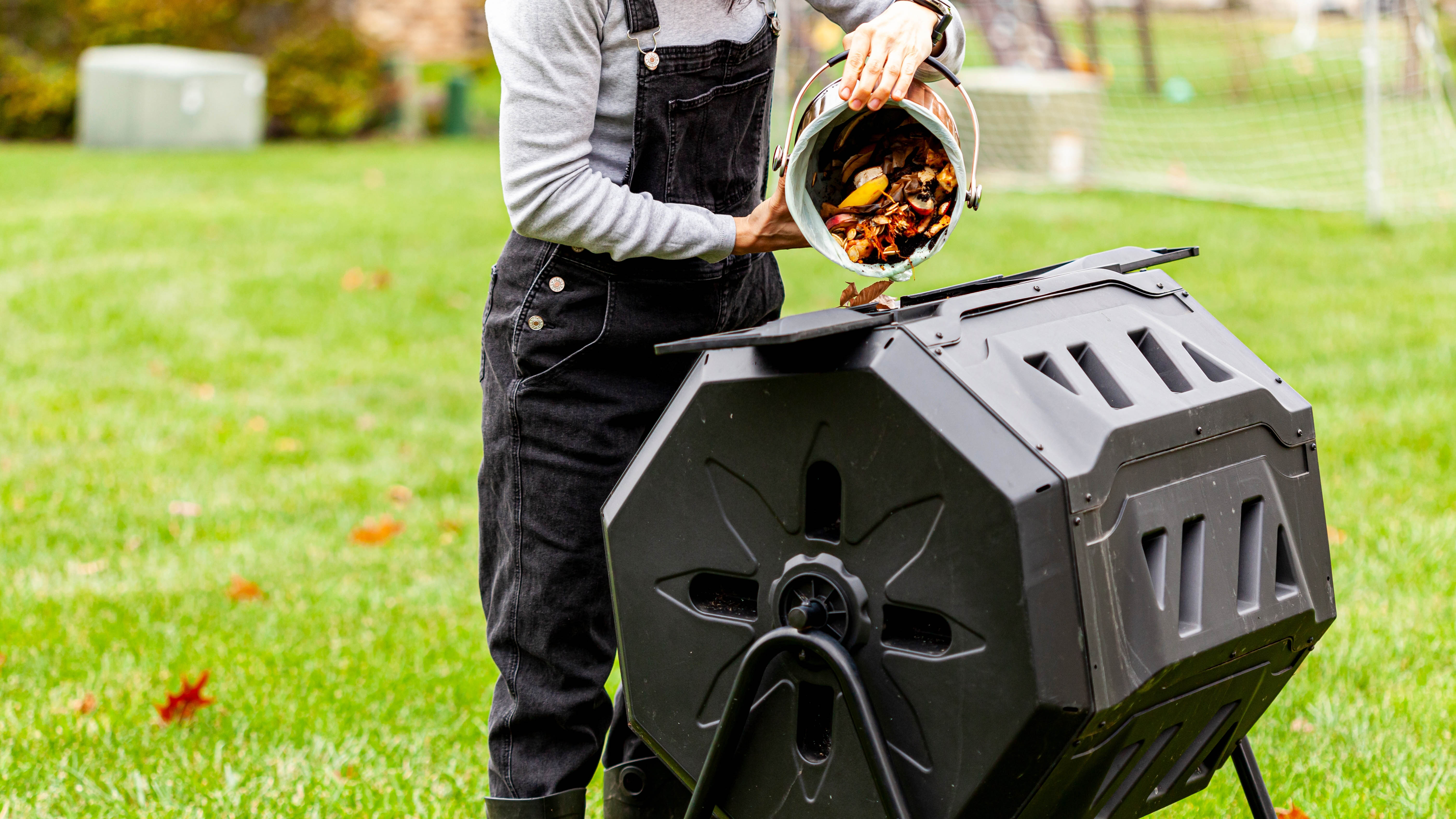
Composting is a great way to repurpose kitchen waste and put it back into your yard. However, our compost bins are also a magnet for rats since it provides everything that they need — food and shelter.
"If you have a compost bin be sure to turn the compost regularly and consider installing mesh underneath if it sits on soil,” advises Wilsons. “These bins are hotspots for rats because it provides them with food, warmth and shelter.”
One good solution is to invest in a tumbler compost bin, which is designed to make it easier to turn over. Typically, these feature chambers for adding and removing compost, and aeration holes that allow air in each time you turn it. This is especially useful since composting involves turning it over now and again to allow air to reach all parts.
Things to look out for

Of course, keep an eye out for your electrical equipment. And if you do spot a cable that has been chewed or damaged, be sure to turn off the power and always call in an electrician to repair it.
"Where possible, keep cables off the ground, check them regularly for signs of gnawing, move any electrical appliances indoors overnight and replace any damaged wiring rather than attempting to cover it up," adds Kara Gammell, home insurance expert at MoneySuperMarket
"If you suspect a cable has been chewed, switch off the power and contact a qualified electrician to inspect it, rather than trying to fix it yourself."
You'll want to quickly eliminate the risk of structural damage or worse, electrical fires caused by chewed wires.
What's more, you'll want to enjoy your backyard in peace this summer.