Get all your news in one place.
100’s of premium titles.
One app.
Start reading
Budget and the Bees
Budget and the Bees
Latrice Perez

Why Privacy Experts Say You Shouldn’t Use Your Real Phone Number on Apps

Why Shouldn't Use Real Phone Number
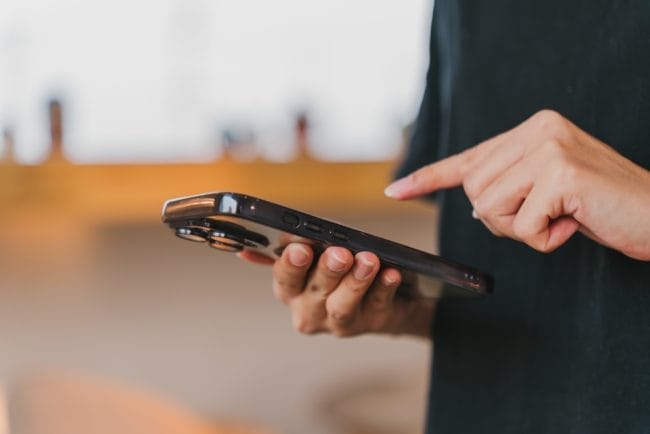
Image source: shutterstock.com

Giving your phone number to a new app seems like a harmless step to get a ten-percent discount or a quick login. You trust these companies to keep your data safe, but the reality is much more alarming. It is not your fault that your phone number has become the universal key to your entire digital life. Privacy experts are warning that this single data point is the most dangerous piece of information you can give away. Honestly, the system is designed to track you across every platform you visit, using your number as a permanent anchor. Let us expose why your real phone number is a liability and how you can protect your identity from the hidden systems of data brokers.

The Phone Number as a Universal ID

In 2026, your phone number is no longer just a way to reach you; it is a unique identifier linked to your bank, your social media, and your credit report. Privacy experts say your number is now more valuable than your Social Security number because it is used for two-factor authentication. If a hacker gets your number, they can potentially reset passwords and bypass security protocols on your most sensitive accounts. Surprisingly, a single data point can leak your email, your family members, and even your passwords through aggregated databases. You are essentially giving every app a master key to your personal history. You can read more about what scammers can do with your number here.

The Hidden System of Data Poisoning

When you provide your real number to a free promotion, you are entering a hidden system where your data is bought and sold by brokers. These companies build comprehensive profiles of your behavior, location, and interests to target you with aggressive advertising. Privacy experts recommend a strategy called data poisoning to disrupt this constant tracking. This involves using outdated addresses or secondary phone numbers when signing up for non-essential services. On the other hand, the real goal of these apps is to build a permanent profile that they can monetize forever. By feeding them incorrect or secondary data, you reclaim control over your digital footprint. It is an empowering way to stay invisible in a world of constant surveillance.

The Risks of Permission Creep

Many apps ask for access to your contacts as soon as you provide your phone number, often with very little explanation. If you agree, the app can see the numbers of everyone you know, effectively compromising their privacy too. This is a hidden system of social mapping that companies use to connect you to other potential customers. Surprisingly, you might be targeted with ads based on where your friends shop or what they search for. Privacy experts call this permission creep, and it is one of the most invasive forms of data collection. You should review your app permissions quarterly and revoke any access that isn’t absolutely necessary for the app to function. Your contacts list is private property, not a marketing resource for big tech.

Why VoIP Numbers are Your Best Defense

The smartest move you can make in 2026 is to use a secondary Voice-over-IP (VoIP) number for all your app registrations. Services like Google Voice or specialized privacy apps allow you to create a burner number that isn’t linked to your primary banking or identity. This creates a firewall between your social life and the data-hungry apps that want to track you. If an app is breached—and they eventually are—the hackers only get a secondary number that you can easily discard. Honestly, it is a small amount of effort that provides a massive layer of security for your family. You can see more privacy expert interviews on data leaks here. Protecting your primary line is the ultimate goal.

Reclaiming Your Digital Autonomy

Protecting your privacy is not about being paranoid; it is about being a savvy manager of your own data. By refusing to give away your real phone number, you are telling the system that your identity is not for sale. You have the power to move through the digital world without being constantly tracked and profiled. Validating your right to privacy is the first step toward a more secure and peaceful life online. Stay vigilant, use secondary numbers, and never click on unsolicited promotional links. You deserve a digital experience where you are the owner of your information, not the product being sold. The future of your security starts with this one simple choice today. Stay informed and stay safe in an increasingly connected world.

Have you started using a secondary number for apps yet, or do you still give out your real one? Leave a comment below and tell us your favorite privacy hack!

What to Read Next…

The post Why Privacy Experts Say You Shouldn’t Use Your Real Phone Number on Apps appeared first on Budget and the Bees.

Sign up to read this article
Read news from 100’s of titles, curated specifically for you.
Already a member? Sign in here
Related Stories
Top stories on inkl right now
One subscription that gives you access to news from hundreds of sites
Already a member? Sign in here
Our Picks
Fourteen days free
Download the app
One app. One membership.
100+ trusted global sources.