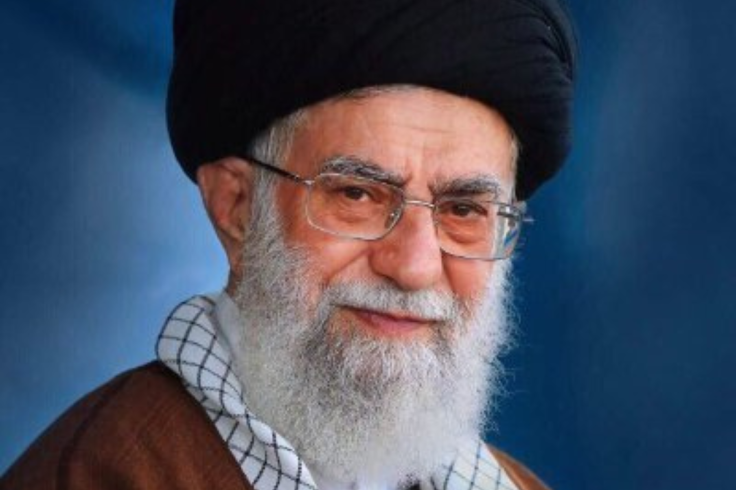
Prediction platform Kalshi is facing fury from traders after it refused to pay out around $54 million to users who bet that Ayatollah Ali Khamenei would be out as Iran's supreme leader last weekend, despite his death being confirmed in airstrikes on Tehran.
The row over the Ayatollah Ali Khamenei market has raised awkward questions about how these platforms define their own rules, and whether users ever really know what they are betting on.
Ayatollah Ali Khamenei Market Shows How Kalshi Interpreted 'Out'
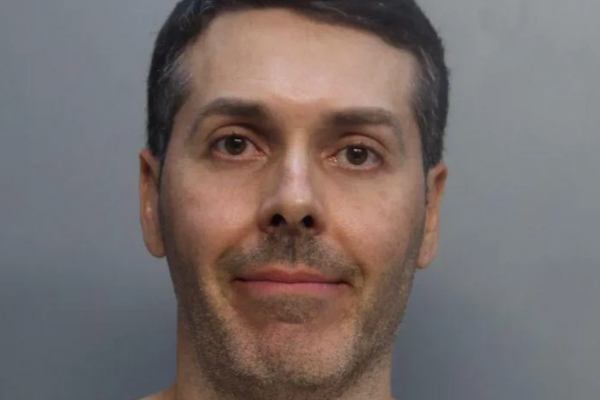
According to the Washington Post, one Israeli‑American business executive in New York staked a total of $3,460 (£2,592) on Khamenei being removed from power on either 1 March or 1 April. When news broke that Iran's Supreme Leader had been killed in an aerial attack, he logged into Kalshi and saw green checkmarks indicating his positions had settled in the money, with an apparent payout of more than $63,000 (£47,178).
'I was booking my trip to Courchevel,' he told the paper, referring to the luxury French ski resort. 'Then they changed the rules... and everybody got screwed.'
On the same day it promoted the surging odds, the company also posted a clarification on X, stating that it does not offer markets that settle on death and that if Ali Khamenei died, 'the market will resolve based on the last traded price prior to confirmed reporting of death'.
After his death was confirmed, Kalshi issued a follow‑up post acknowledging that an earlier clarification had been 'grammatically ambiguous'. The platform said it would reimburse 'lost value' on trades made between the two notices, effectively returning stakes or covering losses at even odds for that window of trading.

Chief executive Tarek Mansour later reiterated the company's position, arguing that Kalshi's 'event contracts' are not allowed to be 'directly tied to death'.
By 'out', he maintained, the market was meant to capture the possibility of Khamenei stepping down or agreeing to a transition, not his assassination. He also defended the existence of the contract more broadly, saying leadership changes in Iran can shift global oil prices, commodities and geopolitics.
A company spokesperson told The Independent that Kalshi 'doesn't allow markets directly tied to death' and that it had 'included every precaution on this market to make sure people could not trade on the outcome of death'.
Traders, Regulators And Politicians Clash Over Morality Of The Bet
Some traders have been blistering in their response. One user wrote on X that he was 'so disgusted' he was put off prediction markets altogether, complaining that Kalshi owed him more than $2,500 (£1,872) and 'many innocent, casual traders millions more'. Another said they would start steering people to rival platform Polymarket, accusing Kalshi of taking an 'optical moral high ground' at the expense of its customers.
Criticism has not been limited to aggrieved punters. Amanda Fischer, a former chief of staff at the US Securities and Exchange Commission who now works at financial advocacy group Better Markets, told the Washington Post she was unconvinced by Mansour's explanation and argued that the saga showed 'just how problematic this business is'.
'How is an 86‑year‑old theocratic leader supposed to lose his power other than through death?' she asked. 'All of the Kalshi users who placed bets on this believed they were voting on a death market, and many are very angry at how Kalshi broke the trades.'
Connecticut senator Chris Murphy has gone further, using the Ayatollah Ali Khamenei row to attack the very idea of betting on high‑stakes world events. In comments reported by US outlets, he described prediction markets like Kalshi as 'American commercial immorality on steroids'.
'Once events that involve good and evil simply become a financial product, I don't know how right and wrong matters any longer,' he said. 'People shouldn't be rooting for people to die because they placed a bet.'

Senator Murphy has since said he is drafting legislation to ban prediction‑market gambling related to government actions, warning that such contracts risk corrupting public decision‑making. He also reacted to separate allegations that six suspected insider traders made $1.2 million (£898,632) by correctly guessing the date US strikes on Iran would begin, calling it 'insane this is legal' and vowing to introduce a ban.
Kalshi, for its part, insists it followed its own rulebook in the Ayatollah Ali Khamenei market and that no‑one ultimately lost money once reimbursements were accounted for.