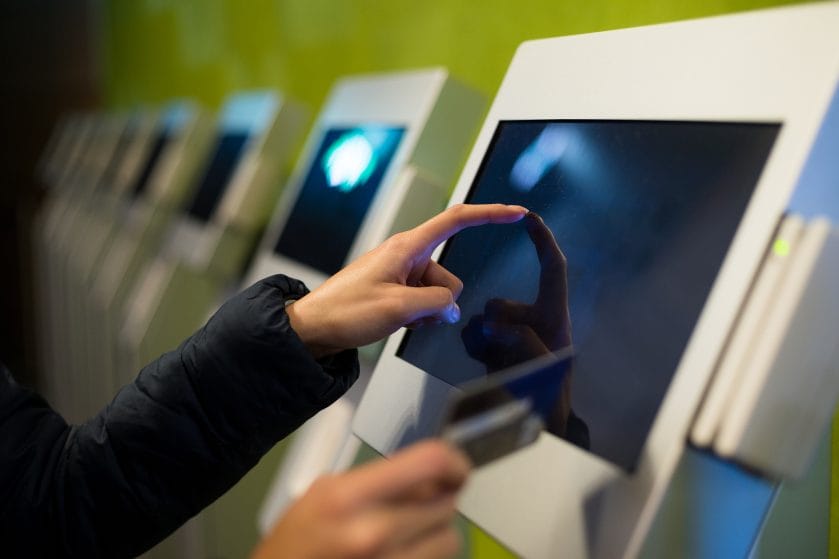
Walk into a major supermarket or drugstore this season, and you might notice a new addition to the entryway: a sleek, touchscreen kiosk dedicated entirely to coupons. In an era where everyone seemingly has a smartphone, the installation of physical coupon stations seems like a step backward. However, retailers are doubling down on this “phygital” (physical plus digital) technology for a very specific strategic reason. These kiosks are bridging the digital divide, capturing the cash-paying demographic, and driving in-store engagement in a way that mobile apps have failed to do.

Bridging the Tech Gap
The primary driver for these kiosks is the realization that a significant portion of the population—specifically seniors and low-income shoppers—does not use smartphones or have reliable data plans. By moving digital coupons exclusively to apps, retailers inadvertently alienated millions of loyal, budget-conscious customers. The in-store kiosk allows a shopper to swipe their loyalty card and physically tap the coupons they want to load, no phone required. It democratizes the savings, ensuring that the “digital exclusive” prices are accessible to the grandmother who only uses a landline.
The Impulse Activation Factor
Retailers know that if you clip a coupon at home, you might forget to buy the item. But if you clip the coupon at a kiosk inside the store, you are typically just 50 feet away from the product. The kiosk acts as a powerful marketing trigger. When a shopper sees a bright image of a discounted coffee brand on the big screen, they are statistically much more likely to walk down the coffee aisle immediately. It converts passive browsing into active purchasing right at the “point of decision.”
Reducing Checkout Friction
One of the biggest slowdowns at the register is the “I thought I clipped that” conversation. Shoppers often fumble with their phones at the checkout line, trying to load a coupon while the line builds up behind them. Kiosks move this friction to the front of the store. By encouraging shoppers to load their deals before they start shopping, the checkout process becomes faster and smoother for everyone. It separates the administrative task of couponing from the transactional task of paying.
Data Collection for Cash Shoppers
Retailers possess massive amounts of data on credit card users, but cash shoppers are ghost customers. They are hard to track and harder to market to. The kiosk provides a touchpoint for these users. To use the kiosk, the shopper must scan a loyalty card. This links their cash purchases to a digital profile, allowing the retailer to gather valuable data on their habits and serve them targeted ads next time, effectively bringing the “offline” shopper into the data ecosystem.
Gamification of the Entryway
Modern kiosks are not just lists of coupons; they are interactive hubs. Some feature “Scan and Win” games or daily sweepstakes that require the shopper to visit the kiosk. This creates a habit loop. The shopper enters the store and immediately goes to the kiosk for their “daily spin,” which then exposes them to the weekly sales. It turns the chore of finding deals into a small, rewarding ritual that increases store visit frequency.
The Physical Future of Digital Deals
The return of the kiosk proves that technology works best when it meets the customer where they are. By putting the digital savings back into the physical world, retailers are ensuring that no shopper—and no sale—is left behind.
What to Read Next
How to Mix Coupons With Discount Store Strategies for Extra Savings
Is Couponing More Complicated Today Than It Used To Be?
Tired of Getting Your Coupons Denied? Use This Triple Stack Method Instead
6 Grocery Savings Mistakes Couponers Regret Most
Which Hidden Grocery Coupons Most People Overlook
The post Why More Retailers Are Installing Digital Coupon Kiosks This Season appeared first on Grocery Coupon Guide.