
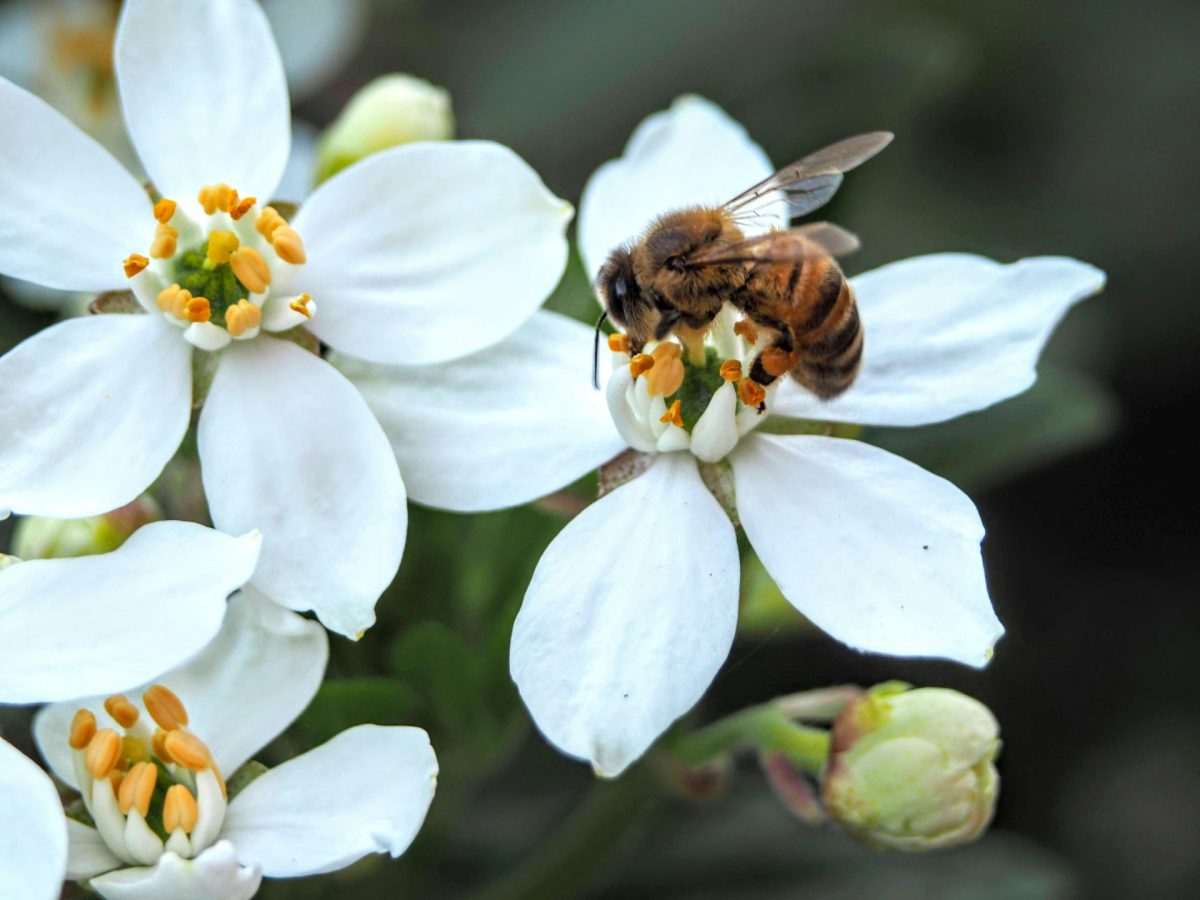
A quiet revolution has started in neighborhoods across the country, and it has nothing to do with new paint colors or fancy outdoor furniture. Homeowners increasingly swap large stretches of grass for colorful pollinator gardens filled with flowers, native plants, and buzzing wildlife. What once looked like a perfectly trimmed lawn now often features coneflowers, milkweed, bee balm, black-eyed Susans, and other plants that attract beneficial insects.
The change delivers more than visual appeal because pollinator gardens can reduce maintenance costs, lower water usage, and support local ecosystems. As more people discover these benefits, the traditional lawn no longer holds the same appeal it once did.