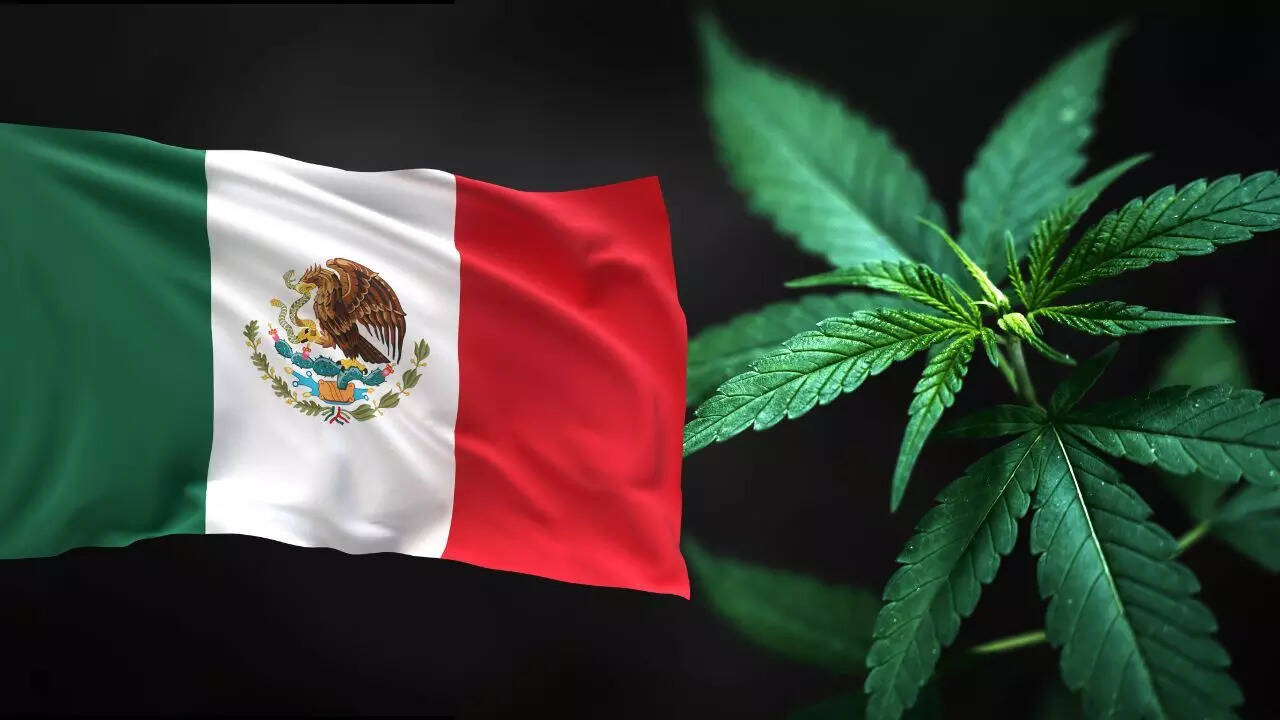
Mexico’s role in the global drug trade did not appear suddenly. It formed gradually, shaped by geography, foreign demand and long-standing policy choices. The country lies between major cocaine-producing nations in South America and the United States, one of the world’s largest consumer markets for illegal drugs, according to World Population Review. Over time, this position drew trafficking routes northward across Mexican territory. At the same time, parts of rural Mexico proved suitable for cultivating opium poppy and cannabis. Criminal networks expanded in response to profit and weak oversight in certain regions. Domestic consumption, once relatively limited, has also increased. The result is a layered situation where production, transit and internal use now overlap within one national space.