
Get all your news in one place.
100’s of premium titles.
One app.
Start reading
Clever Dude
Clever Dude
Travis Campbell

Why Mechanics Say Rust Is the “Cancer” of Every Used Vehicle

rust car
Image Source: Shutterstock

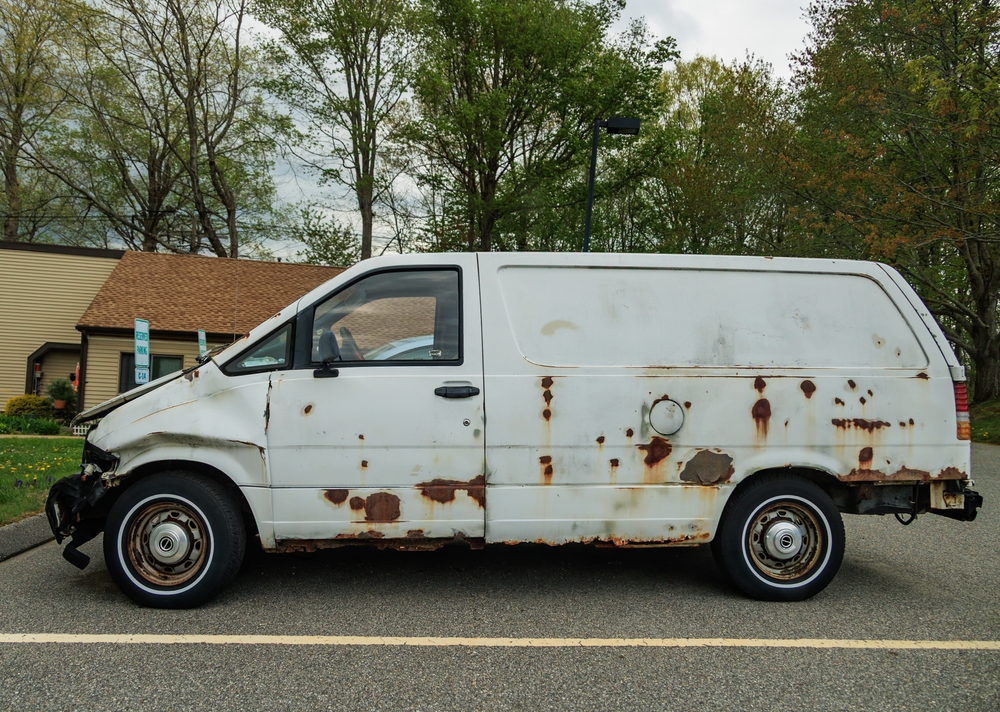
Rust eats through used cars with a slow, relentless precision. It hides in seams, under carpets, and on the frame where buyers rarely look. Left alone, it spreads until the metal weakens, parts fail, and safety slips. Mechanics call it the “cancer” of the automotive world because once it settles in, it rarely stops. If you’re looking at a used car or you just want to make sure your ride is in tip-top shape, here’s what you need to know about rust and why it can be your downfall.
Rust Attacks Structural Strength First

Rust on used cars doesn’t start as a dramatic problem. It starts small, often in places drivers ignore. A tiny blister under the paint. A faint orange line near a weld. But corrosion spreads under the surface, turning strong steel into soft, flaky metal.

When the frame or subframe weakens, the entire vehicle loses integrity. A car might look clean, pass a quick glance, and still be one pothole away from bending in ways it shouldn’t. Shops see frames snap, control arms tear free, and suspension mounts fail. None of these issues shows up clearly until the metal gives way. And by then, repairs cost more than the car.

Road Salt Supercharges Corrosion

Cold climates accelerate rust on used cars at a pace that surprises buyers who move from warmer regions. Road salt clings to metal and creates the perfect environment for corrosion. It spreads into wheel wells, frame rails, brake lines, and rocker panels.

Washing the undercarriage helps, but once salt settles inside crevices, it rarely leaves. Metal stays damp longer. The chemical reaction continues even in warmer months. A car that spends five winters in a salt-heavy area can look ten years older underneath than a car driven in dry states.

Hidden Rust Costs More Than Engine Repairs

Engine problems seem intimidating because they’re expensive, but rust can surpass them easily. Rebuilding an engine has a clear price and a clear fix. Body corrosion does not. Labor hours pile up because every rusted bolt snaps, every panel fights removal, and every repair leads to another discovery.

Shops often quote estimates for body or frame repairs with a warning: the real cost may be far higher. And they’re right. Rust on used cars creates a chain reaction. You fix one area, then find a structural support rotted through. You patch a panel, then notice the floor pan softening. It never ends cleanly.

Suspension and Brake Components Fail Quietly

Rust doesn’t just sit on the surface. It weakens moving parts that need full strength to function safely. Suspension mounts rot around their bolts, leaving components loose. Springs corrode until they snap. Sway bars break. And these failures come with little warning.

Brake lines corrode from the outside in, especially on older vehicles. They might look intact right up until they burst during hard braking. A sudden loss of pressure leaves drivers with a pedal that goes straight to the floor. That’s how rust on used cars turns routine drives into emergencies.

Electrical Systems Suffer When Rust Creeps In

Modern vehicles rely on sensors, wiring harnesses, and modules. Rust spreads moisture, and moisture spreads electrical chaos. Connectors corrode until signals fail. Ground points weaken, creating unpredictable behavior. A car stalls. A dashboard light flickers. Windows stop working at random.

These problems send owners chasing expensive diagnostic work even though the root cause is simple: corrosion eating through the system. Once water reaches electrical components, replacing individual parts rarely solves everything.

Paint Bubbles Are a Warning, Not Just Cosmetic

Shoppers sometimes ignore bubbling paint because the car still looks decent overall. But bubbles mean rust on used cars has already started spreading from the inside. By the time paint lifts, corrosion has eaten through the panel from behind.

Fixing this requires panel replacement or extensive cut-and-weld work. Sanding and repainting only hide the damage temporarily. It resurfaces because the underlying metal continues to deteriorate.

Rust Slashes Resale Value

Once rust appears, resale value drops sharply. Buyers see corrosion as a sign of neglect and a sign of future expense. Dealerships avoid heavily rusted trade-ins because liability becomes a concern. Even cosmetic rust creates suspicion.

Severe structural rust makes a vehicle nearly worthless. A car with a failing engine might still have value to a hobbyist. A car with a rotted frame is done.

What Drivers Can Do Before Buying

Rust on used cars doesn’t have to catch buyers off guard. A flashlight and a willingness to crawl under the vehicle can reveal more than a dealer’s inspection. Check frame rails, pinch welds, brake lines, wheel wells, and suspension points. Look for flaky metal, thick undercoating patches, or fresh paint in suspicious spots.

Rust spreads like a disease, but it’s visible when you know where to look. And once you see it, you can decide whether the cost is worth the risk.

What signs of rust have you found while shopping for a car?

What to Read Next…

The post Why Mechanics Say Rust Is the “Cancer” of Every Used Vehicle appeared first on Clever Dude Personal Finance & Money.

Sign up to read this article
Read news from 100’s of titles, curated specifically for you.
Already a member? Sign in here
Related Stories
Top stories on inkl right now
One subscription that gives you access to news from hundreds of sites
Already a member? Sign in here
Our Picks
Fourteen days free
Download the app
One app. One membership.
100+ trusted global sources.