
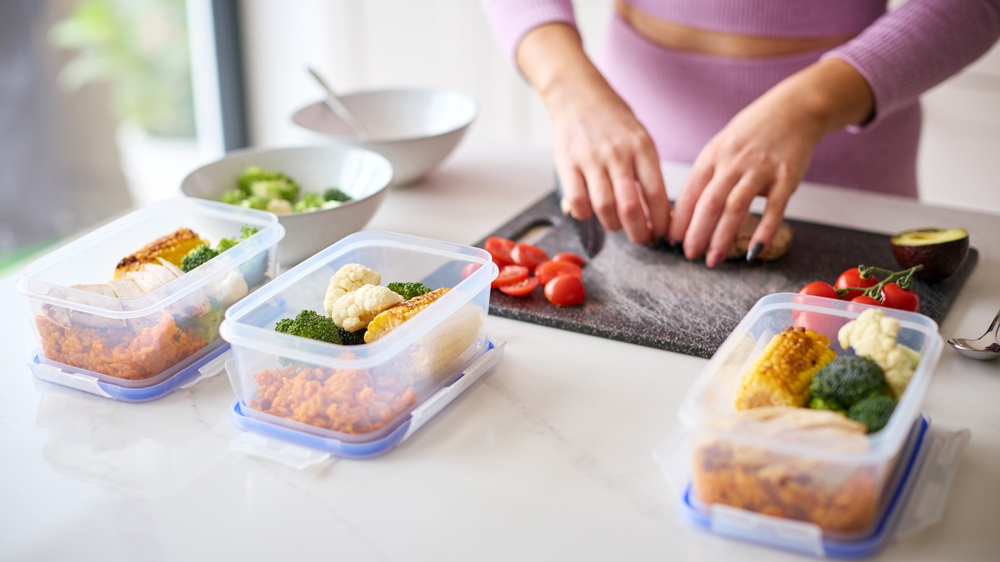
The holidays have a sneaky way of turning food into a full-time job: extra grocery runs, last-minute takeout, mystery leftovers, and a sink that never empties. When you’re juggling school events, family visits, and end-of-year chaos, it’s easy to spend more than you meant to—and feel more stressed than you expected. That’s why meal-planning during the holidays isn’t just a budget move, it’s a sanity move. A simple plan can protect your time, your energy, and your patience in ways that go way beyond your grocery total. Here are the biggest “hidden savings” you get when you plan your meals with the season in mind.

1. It Cuts Down the Panic Decisions That Lead to Takeout
Holiday schedules change fast, and that’s exactly when expensive food choices happen. A plan gives you a default option for nights when everything runs late and everyone is cranky. When you already know what’s for dinner, you don’t have to negotiate with hungry kids while staring into the fridge. You also avoid the “We’ll just grab something” trap that turns into multiple restaurant stops in a week. Meal-planning during the holidays makes dinner feel automatic, which is a big deal when your brain is already maxed out.
2. It Saves Time in the Store and Reduces Extra Trips
Every extra store run costs more than money, because it eats time, gas, and patience. When you shop without a plan, you’ll forget something, then you’ll go back, then you’ll grab extra stuff “since you’re there.” A focused list helps you move faster and ignore the tempting seasonal displays that practically beg you to impulse-buy. It also makes online ordering or curbside pickup easier, because you’re not trying to invent meals while you click. Meal-planning during the holidays turns shopping into one clean errand instead of a repeating loop.
3. It Lowers Your Mental Load When Everything Else Is Loud
Holiday planning isn’t just presents and parties, it’s calendars, school spirit days, travel details, and a thousand tiny decisions. Deciding what to cook every day adds one more decision that you don’t need. A plan gives you fewer daily choices, which means fewer chances to feel overwhelmed. It also helps you delegate, because another adult (or even an older kid) can follow a simple dinner plan without asking you 12 questions. Meal-planning during the holidays frees up mental space for the stuff that actually matters to your family.
4. It Keeps Leftovers From Becoming a Sad, Forgotten Science Project
Holiday leftovers can be amazing, but only if they have a purpose. Without a plan, leftovers turn into random containers that get pushed to the back until you feel guilty and toss them. With a plan, you can assign leftovers to specific meals, like “turkey soup night” or “taco bowls with leftover ham.” You can also plan one “clean-out dinner” where everyone chooses from what’s already cooked, which magically clears the fridge. Meal-planning during the holidays helps you actually use what you already paid for.
5. It Helps You Control Sugar and Snacks Without Being the Food Police
Between parties, cookie swaps, and treats from school, kids can end up snacking nonstop. A meal plan creates steady meals and predictable snack options, which reduces constant grazing. When dinner is balanced and on time, kids are less likely to melt down and demand junk. You can still enjoy holiday foods, but you’ll be doing it intentionally instead of spiraling into “we’re all just eating random stuff.” Meal-planning during the holidays supports better routines without making you feel strict or joyless.
6. It Makes Hosting Easier Because You’re Not Doing Everything at Once
If you’re hosting, food prep can take over the entire day if you don’t spread it out. A plan helps you pick meals that work with your hosting schedule, like slow cooker dinners on busy days or make-ahead breakfasts when guests are staying over. It also lets you batch prep items that support multiple meals, like roasted veggies or cooked rice. When you know what’s coming, you can start earlier and do less in the frantic final hour. Meal-planning during the holidays helps hosting feel manageable instead of like a marathon you didn’t train for.
7. It Protects Your Budget From “Holiday Food Creep”
Holiday food creep is real: one fancy cheese here, a specialty dessert there, an extra appetizer “just in case.” Those add-ons feel small, but they stack up fast when you’re shopping multiple times. A plan gives you guardrails, because you decide ahead of time which splurges matter and which ones don’t. You can also build in lower-cost meals after bigger events, like soup, pasta, or breakfast-for-dinner. Meal-planning during the holidays makes your spending feel intentional, not accidental.
8. It Builds a Rhythm for Kids When Everything Feels Different
Kids do better when something stays predictable, even when the season gets exciting and chaotic. A meal plan gives them anchors: a known dinner time, a familiar meal theme, and fewer surprises. This is especially helpful when sleep schedules get weird and emotions run high. Even picky eaters tend to cooperate more when meals aren’t a daily experiment. Meal-planning during the holidays creates comfort through routine, which can make the whole house feel calmer.
A Holiday Meal Plan That Saves Your Sanity, Too
The best holiday meal plan doesn’t have to be fancy, it just has to exist. Choose a few reliable meals, plan for leftovers on purpose, and build in one or two easy nights for when schedules explode. Keep a short list of “default dinners” so you’re not reinventing the wheel when you’re tired. Decide your holiday splurges ahead of time, then let the plan protect the rest of your budget and energy. When you lean into meal-planning during the holidays, you’re not just saving money—you’re saving time, stress, and a whole lot of end-of-day frustration.
What’s the hardest part of holiday meal planning for your family—busy schedules, picky eaters, or sticking to a grocery budget?
What to Read Next…
The Art of Sneaking Veggies Into Meals (And Loving It)
10 Cheap Dinners Your Kids Will Actually Eat Without Complaining
Why Your Family Could Be Spending More on Food This December — and What to Do
Ways to Make After-School Snacks That Are Cheap, Nutritious and Kid-Approved
Food Hacks to Turn Leftovers Into Kids’ Lunches That Beat Store Prices
The post Why Meal-Planning During the Holidays Can Save You More Than Just Money appeared first on Kids Ain't Cheap.







