Maha Shivratri is usually explained as the wedding night of Shiva and Parvati. But if that were the real reason, this night would look very different. There would be celebration, not silence. Feasting, not fasting. Sleep, not an all-night vigil. Instead, Maha Shivratri asks people to stay awake in darkness, restrain desire, and turn inward. That itself tells us this night is about something far deeper.
Ancient scriptures link Maha Shivratri to moments when the universe was pushed to its limits. Ego challenged truth. Poison threatened existence. Destruction stood on the edge of release. Each time, Shiva chose awareness over reaction. This night remembers those choices. To understand Maha Shivratri, we must move beyond the marriage story and look at why this night became a symbol of balance, restraint, and inner awakening.
1. The Night Brahma and Vishnu Confronted Their Ego
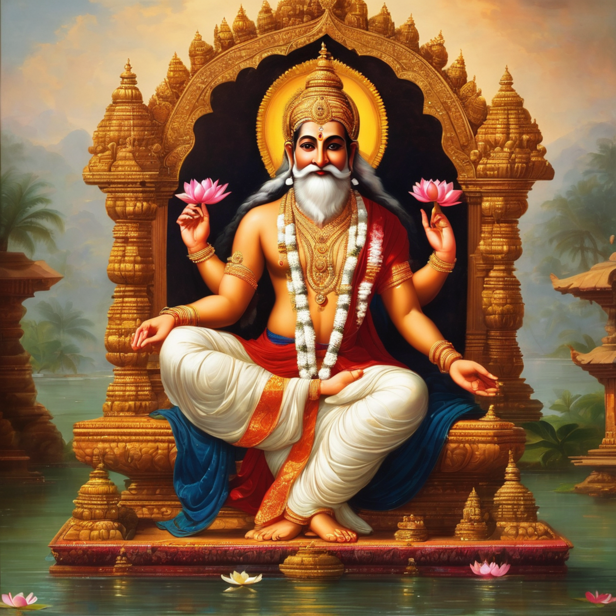
One of the oldest and most important events linked to Maha Shivratri is the confrontation between Brahma and Vishnu. According to the Shiva Purana, both deities once debated who was supreme. Their argument was not merely verbal. It symbolized cosmic ego, the idea that power and responsibility could define ultimate truth.
At this moment, Shiva appeared as an endless pillar of fire. Neither Brahma could find its top nor Vishnu its base. The realization was humbling. Truth had no beginning or end and could not be claimed by position or authority. Maha Shivratri marks this moment when ego collapsed before infinity. The Shivling became a symbol of formless truth rather than a physical object of worship.
2. The Birth of the Shivling as a Cosmic Principle
The Shivling is often misunderstood as a symbolic idol, but its origin is philosophical. The infinite pillar of light that appeared during the Brahma Vishnu conflict represents the unmanifest reality from which creation arises. Maha Shivratri commemorates the moment when this truth revealed itself to the cosmos.
This is why the Shivling has no face, limbs, or ornamentation. It stands for existence beyond form. Worship on this night is directed toward the idea that reality cannot be reduced to names, shapes, or hierarchy. This understanding makes Maha Shivratri a night of knowledge, not mythology alone.
3. The Night Shiva Chose Restraint Over Destruction
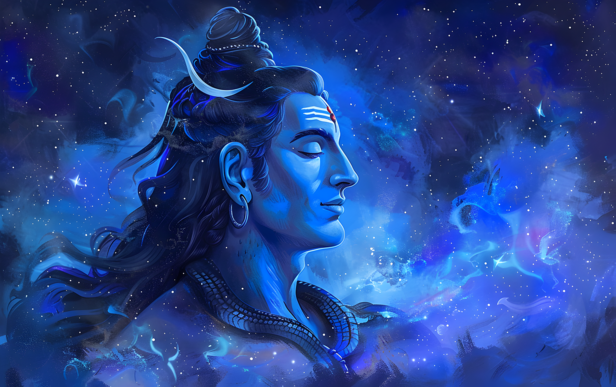
Shiva is known as the destroyer, but Maha Shivratri highlights his restraint rather than his rage. Several Shaiva traditions interpret this night as the moment Shiva chose to remain still instead of dissolving creation during cosmic imbalance.
In symbolic terms, this restraint saved the universe. Destruction exists, but it must be guided by awareness. This idea remains deeply relevant. Power without control leads to chaos. Maha Shivratri honors the decision to pause, to hold back, and to allow balance to restore itself naturally.
4. Samudra Manthan and the Poison That Changed Everything
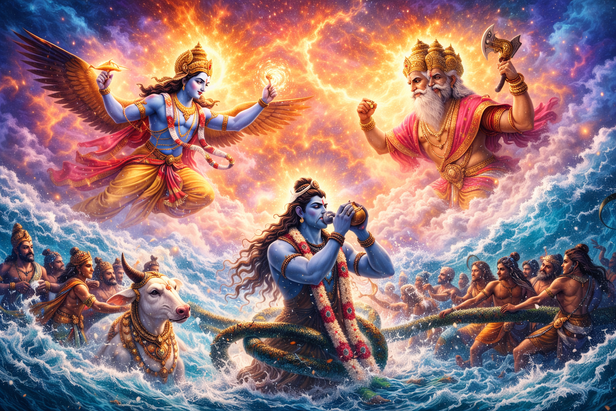
Another major event associated with Maha Shivratri is the Samudra Manthan, the churning of the cosmic ocean by gods and demons in search of immortality. During this process, a deadly poison known as Halahala emerged before any divine nectar appeared.
The poison threatened to destroy all creation. Shiva alone stepped forward and consumed it. He did not swallow it completely but held it in his throat, turning it blue and earning the name Neelkanth. Maha Shivratri is remembered as the night when this act of sacrifice preserved life.
This event explains why water and milk are poured on the Shivling. They symbolize cooling, balance, and gratitude for restraint. It also explains why Shiva is associated with sacrifice rather than reward.
5. Why Bilva Leaves Became Sacred After Samudra Manthan
Bilva or Bel leaves are central to Shivratri worship, not by chance but by association. Ancient texts describe the Bilva tree as possessing cooling and purifying properties. After Samudra Manthan, Shiva was offered substances that could balance the poison’s heat.
Bilva leaves came to represent simplicity, medicinal wisdom, and harmony with nature. Offering them on Maha Shivratri is a reminder that survival does not come from excess but from balance. Nature itself becomes an offering on this night.
6. Why Maha Shivratri Is Observed Through the Night
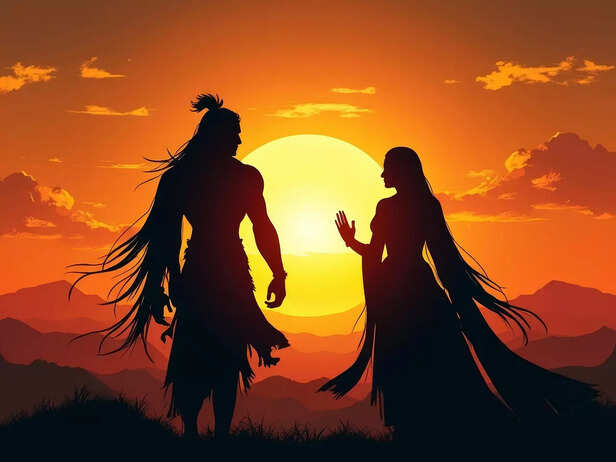
Unlike most Hindu festivals celebrated during daylight, Maha Shivratri is observed at night. Scriptures explain this as symbolic of Shiva’s mastery over darkness and time. Darkness here does not mean evil. It means ignorance and the unknown.
Staying awake through the night is a discipline. It trains the mind to remain alert when it usually collapses into unconsciousness. Spiritually, it represents awareness staying present even when clarity is hardest to find. This practice makes Shivratri deeply introspective.
7. The Marriage of Shiva and Parvati as a Cosmic Balance
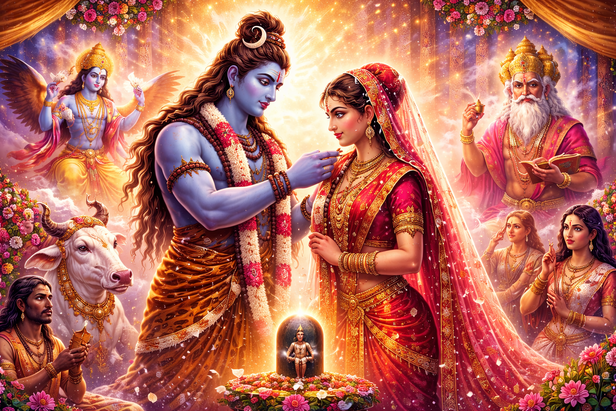
The wedding of Shiva and Parvati is indeed significant, but it is symbolic rather than central. Parvati represents Shakti, the energy of creation. Shiva represents consciousness. Their union signifies alignment between action and awareness.
Maha Shivratri reminds humanity that energy without awareness becomes destructive and awareness without energy becomes inert. The marriage narrative exists to explain balance, not romance. It teaches that life functions best when power is guided by wisdom.