
Get all your news in one place.
100’s of premium titles.
One app.
Start reading
Times Life
Times Life
Nidhi

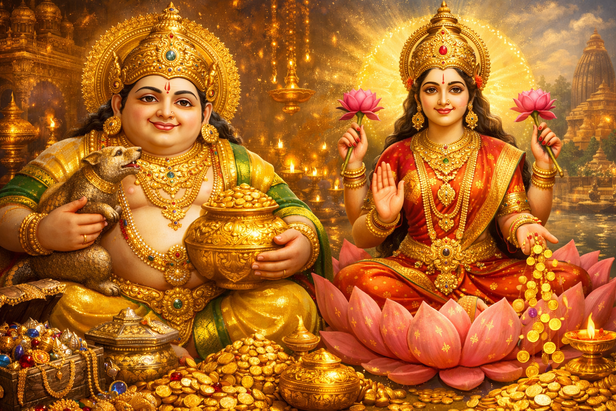
Why Kubera, Not Lakshmi, Is the Real God of Hindu Wealth

Most people grow up believing one simple thing. If you want wealth, you worship Lakshmi. Clean the house, light lamps, pray sincerely, and prosperity will follow. This belief feels comforting and hopeful. But Hindu philosophy has never treated wealth as something that arrives only through wish or prayer.

Hidden beneath popular practice is a more layered idea. Wealth and prosperity are not the same. Blessings and balances are not the same. And the deity who governs stored money, assets, gold, and financial stability is not Lakshmi, but Kubera.

This is not a contradiction of devotion. It is a division of responsibility that Hinduism has maintained quietly and consistently. To understand Hindu wealth properly, one must understand why Kubera exists at all.

1. Prosperity Feels Good, Wealth Stays Put

In Hindu thought, Goddess Lakshmi represents auspiciousness, fortune, grace, and wellbeing. She brings growth, opportunity, and positive movement. Her presence makes life feel abundant.

Kubera governs something very different. He governs what stays.

Wealth is not just money earned. It is money retained. Savings, gold, reserves, assets, and long term financial security fall under Kubera’s domain. This is why people often feel prosperous yet financially unstable. Prosperity may arrive through Lakshmi, but wealth accumulates only when Kubera’s principles are honoured.

2. Kubera Is the Treasurer, Not the Creator

Kubera is described in the Puranas as the treasurer of the gods. His role is not to bless emotionally, but to manage materially. He stores the wealth of the cosmos and distributes it according to order and merit.

This distinction matters deeply. Lakshmi blesses effort. Kubera maintains accounts. Hindu philosophy separates emotion from management because money without structure becomes chaos.

Kubera is not generous by sentiment. He is precise by duty. That precision is what defines wealth in Hindu belief.

3. Even Vishnu Does Not Bypass Kubera

One of the clearest indicators of Kubera’s authority comes from the Tirupati tradition. Lord Vishnu, worshipped as Venkateswara, borrows wealth from Kubera for his marriage.

This borrowing is not symbolic. It comes with a vow of repayment across Kaliyuga. The message is subtle but firm. Even the preserver of the universe follows financial order.

Lakshmi may be Vishnu’s consort, but wealth still flows through Kubera’s ledger. Hinduism makes it clear that money follows discipline, not privilege.

4. Lakshmi Moves, Kubera Remains

Lakshmi is described as chanchala, meaning mobile. She comes and goes based on behaviour, values, and alignment with dharma. Prosperity responds to attitude and action.

Kubera does not move. He holds.

This explains a reality many people experience. Income increases but savings disappear. Opportunities grow but stability does not. Lakshmi may visit, but Kubera does not stay unless discipline exists.

Hindu belief teaches that prosperity opens doors. Wealth decides whether those doors remain open.

5. Trade, Business, and Storage Belong to Kubera

Historically, merchants, traders, and kingdoms worshipped Kubera specifically. Ancient trade guilds and temple economies invoked him for protection of treasuries and reserves.

Kubera is associated with vaults, storage, and the north direction, traditionally linked with accumulation. Lakshmi is invoked for success. Kubera is invoked for sustainability.

This practical separation shows that Hinduism never romanticised money. It treated wealth as something that must be guarded, regulated, and respected.

6. Kubera Represents Discipline Over Desire

Lakshmi represents attraction and abundance. Kubera represents restraint.

Wealth without restraint collapses. Hindu philosophy personifies this truth through Kubera’s imagery. He is heavy, grounded, and immovable. Wealth, in this worldview, carries weight. It demands responsibility.

Kubera teaches that money must be carried with strength, not chased with emotion. Desire invites prosperity. Discipline retains wealth.

7. Why Festivals Blur This Difference

Over time, festivals simplified complex ideas. Lakshmi became the public face of wealth because she symbolises hope and positivity. But scriptures never removed Kubera from the equation.

Popular practice focused on arrival. Philosophy focused on retention.

This is why many households feel blessed yet financially anxious. Lakshmi may arrive through effort and grace. Kubera stays only when order, ethics, and discipline are present.


Sign up to read this article
Read news from 100’s of titles, curated specifically for you.
Already a member? Sign in here
Related Stories
Top stories on inkl right now
One subscription that gives you access to news from hundreds of sites
Already a member? Sign in here
Our Picks
Fourteen days free
Download the app
One app. One membership.
100+ trusted global sources.