Get all your news in one place.
100's of premium titles.
One app.
Start reading
The Economic Times
The Economic Times
Piyush Shukla

Why is Trump redirecting $2 billion into $90 Medicare checks, and who qualifies for the payment?

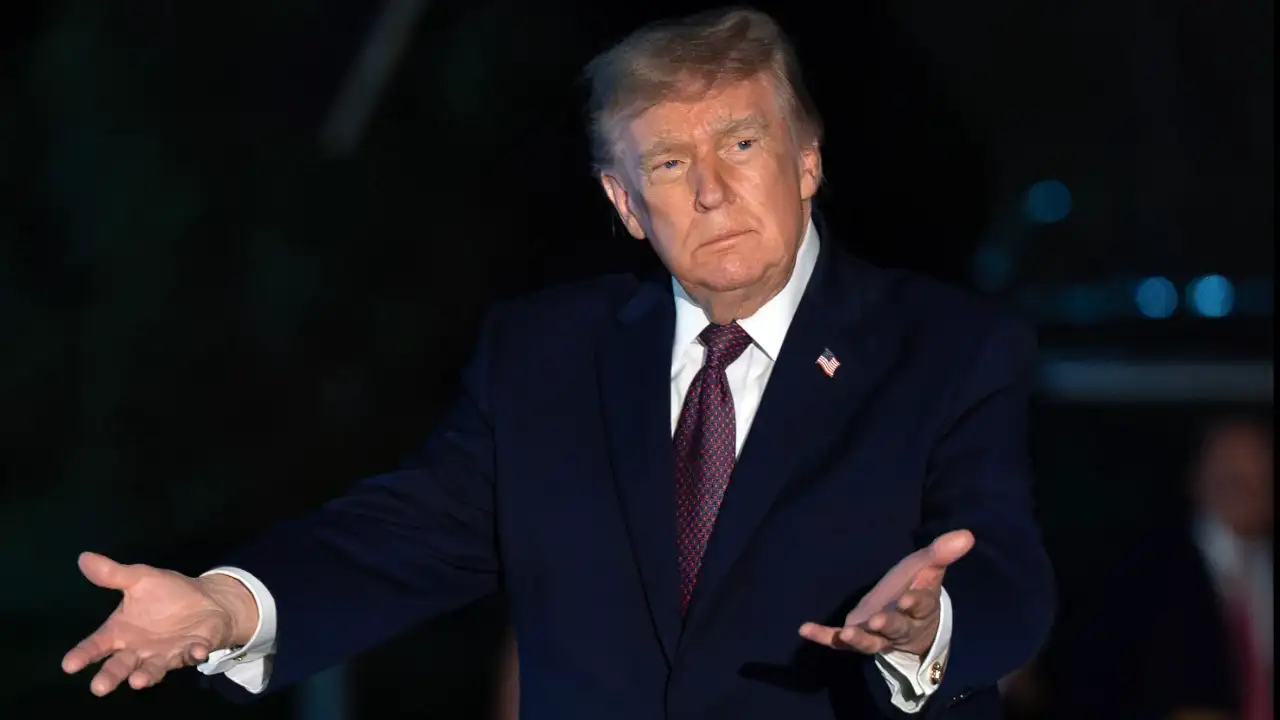
President Donald Trump has authorized the rapid deployment of roughly $2 billion in federal funds directly to older Americans. More than 20 million Medicare Part B enrollees will receive a one-time payment of $90 starting early this October. The administration is sourcing the money from the Medicare Improvement Fund. Congress originally designed this reserve to give the Department of Health and Human Services flexibility to adjust systemic payments for Medicare Parts A and B.

Trump characterized the reserve differently in a Friday night Truth Social post. He labeled it a "pointless Slush Fund" that congressional Democrats used to finance special interests and drive up healthcare costs. By liquidating a portion of the fund for direct consumer payments, the administration is shifting its utility from internal healthcare system adjustments to immediate, individual financial relief.

When will Trump’s $90 Medicare check arrive? What seniors should know about eligibility and October payments

To gauge the practical impact of the $90 payment, look at current federal healthcare costs. The Centers for Medicare & Medicaid Services set the standard Medicare Part B monthly premium at $202.90 for 2026. The annual deductible is $283. A single $90 check offsets roughly 44 percent of one month's standard premium.

Distribution will largely bypass the postal system. A White House fact sheet confirmed most eligible recipients will receive the funds via direct deposit this month, though paper checks will go out to the remainder.

The program utilizes specific eligibility cutoffs. The administration excluded enrollees whose premiums are already covered by Medicaid. It also barred higher-income seniors who are required to pay the Income-Related Monthly Adjustment Amount.

Trump stated these checks function alongside his "Most Favored Nations Deals" as part of a broader strategy to lower out of pocket costs, arguing the payments will help protect Medicare and Social Security from financial strain he attributed to the previous administration's border policies.

These Medicare payments belong to a wider pattern of direct cash transfers originating from the executive branch. The $2 billion Medicare initiative operates entirely separately from another active distribution program targeting the Affordable Care Act.

The U.S. Treasury recently began issuing $500 refund checks to approximately 950,000 Americans across 30 states. Administration officials assert those recipients were overcharged for ObamaCare policies. Each $500 check arrives with a signed letter from the president.

Both programs exist alongside a much larger, contingent financial promise tied directly to the upcoming elections. Trump emphasized Friday that the $90 Medicare checks will not interfere with his proposed "Trump dividend."

First announced at the Republican Party's midterm convention over the summer, the dividend pledges a $5,000 payment to every U.S. citizen—on the explicit condition that Republicans retain control of the House and Senate.

Unlike the $2 billion Medicare distribution drawn from an existing fund, the proposed citizen dividend carries an estimated price tag exceeding $1.2 trillion. Executing it would require extensive federal borrowing, adding directly to the national debt.

Sign up to read this article
Read news from 100's of titles, curated specifically for you.
Already a member? Sign in here
Related Stories
Top stories on inkl right now
One subscription that gives you access to news from hundreds of sites
Already a member? Sign in here
Our Picks
Fourteen days free
Download the app
One app. One membership.
100+ trusted global sources.