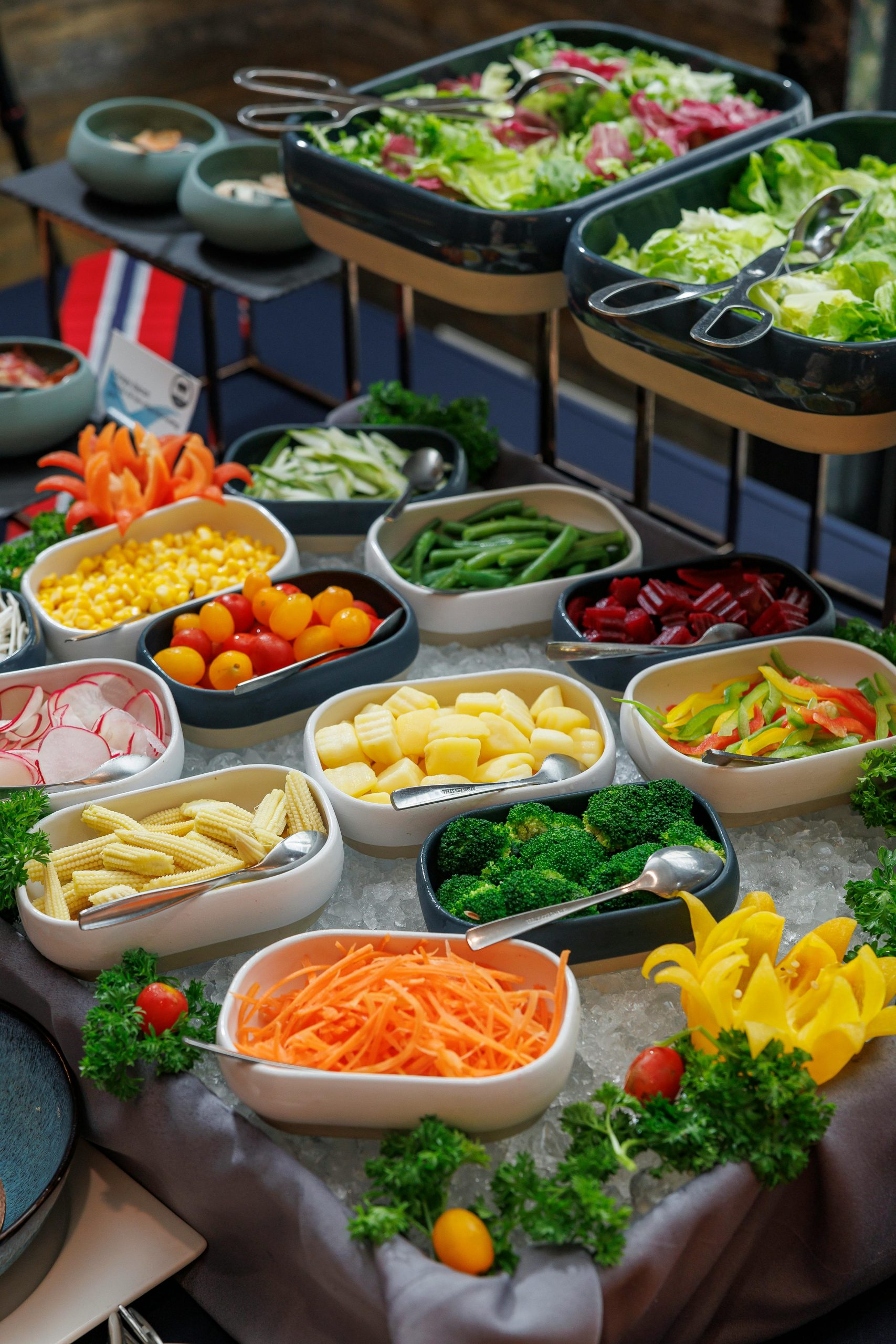
The self-serve salad bar at the grocery store seems like a healthy and convenient option for a quick lunch. However, that convenience comes at a very high price. When you take your carefully crafted container to the checkout to be weighed, you are often hit with a shocking total. The price per pound for the salad bar can be two or three times higher than the price of the produce in the regular aisles. This is not an accident. It is the result of the high labor and food waste costs that are built into the salad bar’s business model.

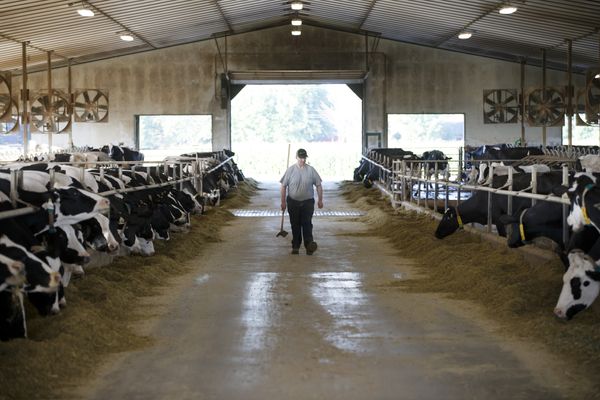
The High Cost of Labor
The single biggest reason for the high price is the huge amount of labor that is required to run a salad bar. An employee must spend hours every single morning washing, chopping, and preparing dozens of different ingredients. They must then continuously monitor and restock the bar throughout the day. They also have to clean the entire station at the end of the night. This is a very labor-intensive operation.
The High Cost of Food Waste
A salad bar generates a massive amount of food waste. To look appealing, the containers must be kept full and fresh-looking at all times. This means that a huge amount of the food is never actually taken by a customer. Health codes require that all of this unsold food be thrown away at the end of the day. The store must build the cost of this predictable, daily food waste into the price per pound that it charges
The Price of Convenience

When you buy from the salad bar, you are paying for more than just the food. You are paying for the convenience of having all of your ingredients washed, chopped, and prepared for you. You are also paying for the convenience of being able to create a custom meal with a huge variety of different ingredients. This “value-added” service is a major part of what you are being charged for.
The Problem of “Shrinkage”
“Shrinkage” is the retail industry term for loss of inventory. At a salad bar, this can happen in several ways. A customer might “graze” on the ingredients while they are building their salad. They might also drop a utensil, which requires the food in that container to be thrown away. This constant, low-level loss of product is another cost that the store must factor into its price.
The Salad Bar Calculation
The high price of the salad bar is a direct reflection of the high cost of running it. It is a department that requires a huge amount of labor, and it produces a huge amount of waste. While it can be a nice treat, it is rarely an economical choice. If you are on a budget, you will always save a significant amount of money. You can do this by buying the individual ingredients and by making your own salad at home.
Do you ever eat at the grocery store salad bar? Do you think the high price is worth the convenience? Let us know your thoughts!
What to Read Next
- 10 Buffet Foods Chefs Say You Should Never Touch
- Remember When These 5 Fast Food Restaurant Chains Had Buffets?
- 5 Reasons All-You-Can-Eat Buffets Are Fading Away
- Why Do Bagged Salads Wilt So Quickly Now?
- 7 Bagged Salad Mixes With Repeat E. coli Concerns
The post Why Is the Salad Bar So Expensive? appeared first on Grocery Coupon Guide.