
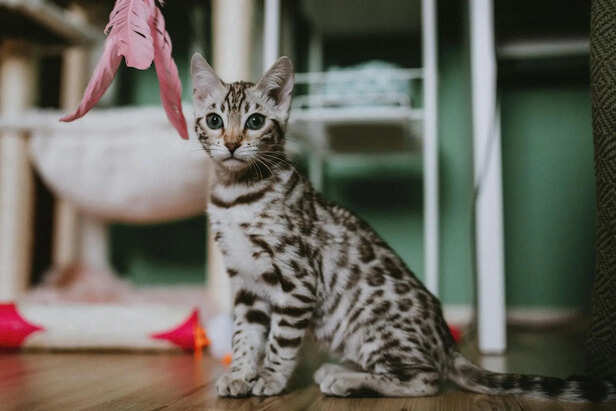
The Bengal cat is one of the most striking and beautiful cat breeds. With its leopard like spots and sleek body, it looks very different from a typical house cat. This wild appearance often leads people to assume that Bengal cats are aggressive or dangerous.
In reality, Bengal cats are not dangerous by nature. They are energetic, intelligent, and playful. However, their strong personality and high activity level can sometimes be misunderstood, especially by first time pet owners.

Like any pet, behaviour depends on training, environment, and how the cat is treated. When Bengals do not get enough attention or stimulation, they may act out in ways that seem aggressive.
This article explores why Bengal cats are sometimes labelled as dangerous and what you should know before bringing one into your home.
Understanding the Bengal Cat’s Personality
Before labelling any animal as dangerous, it is important to understand its natural behaviour.
High Energy Levels
Bengal cats are extremely active. They love to run, jump, climb, and explore their surroundings.
This high energy can sometimes look like aggression, especially when they:
- Jump on furniture
- Chase moving objects
- Play roughly
In reality, they are simply expressing their natural instincts.
Strong Hunting Instincts
Bengals have a strong prey drive. This means they enjoy chasing things like toys, shadows, or even small moving objects.
Sometimes, during play, they may:
- Scratch
- Bite lightly
- Pounce suddenly
This behaviour is not meant to harm but is part of their natural hunting instinct.
Highly Intelligent and Curious
Bengal cats are one of the smartest cat breeds.
They:
- Learn quickly
- Open doors or cabinets
- Get bored easily
If they are not mentally stimulated, they may create their own activities, which can lead to unwanted behaviour.
Why Some People Think Bengal Cats Are Dangerous
The idea that Bengal cats are dangerous usually comes from misunderstanding their behaviour.
1. Their Wild Appearance
Bengals look like small wild cats, which can make people feel uneasy. Their spotted coat and muscular body resemble animals found in the wild.
This appearance often leads to the assumption that they behave like wild animals, which is not true.
2. Rough Play Behaviour
Bengals are playful but can sometimes play more aggressively than other cats.
They may:
- Use their claws while playing
- Bite during excitement
- Chase people’s hands or feet
Without proper training, this behaviour can feel uncomfortable, especially for children.
3. Lack of Proper Training
Many behaviour problems come from lack of guidance.
If a Bengal is not taught boundaries, it may:
- Scratch furniture
- Bite during play
- Act overly dominant
This does not mean the cat is dangerous, but it shows the need for proper care and training.
4. Not Suitable for Low Energy Homes
Bengals need attention and activity. If they are left alone for long periods or not given enough playtime, they may become frustrated.
This frustration can lead to:
- Destructive behaviour
- Loud vocal sounds
- Sudden bursts of energy
Some people mistake this for aggression.
Are Bengal Cats Truly Dangerous?
The simple answer is no.
Bengal cats are not naturally dangerous. They are domestic pets that can be loving and friendly when raised in the right environment.
However, they are not the best choice for everyone. Their personality requires time, patience, and effort.
How to Manage a Bengal Cat’s Behaviour?
Understanding how to handle a Bengal cat can prevent most problems.
Provide Daily Exercise
Bengals need regular physical activity.
You can:
- Use interactive toys
- Create climbing spaces
- Play games like fetch
Daily playtime helps release energy and reduces unwanted behaviour.
Offer Mental Stimulation
Because they are intelligent, Bengals need mental challenges.
Try:
- Puzzle toys
- Training sessions
- Exploring safe spaces
Keeping their mind busy prevents boredom.
Teach Boundaries Early
Training should begin at a young age.
- Do not encourage biting during play
- Use toys instead of hands
- Reward good behaviour
Consistency helps them understand what is acceptable.
Create a Safe and Engaging Environment
A stimulating home environment keeps Bengals happy.
- Install cat trees
- Provide scratching posts
- Keep their space clean and organized
A happy cat is less likely to show unwanted behaviour.
Who Should Own a Bengal Cat?
Bengal cats are best suited for people who:
- Have time for daily interaction
- Enjoy active pets
- Are willing to train and engage
- Understand cat behaviour
They may not be ideal for:
- First time pet owners with busy schedules
- People looking for a calm and quiet pet
Common Myths About Bengal Cats
Myth 1: They Are Wild Animals
Reality:
Bengals are domesticated cats, not wild animals.
Myth 2: They Are Naturally Aggressive
Reality:
Behaviour depends on environment and training.
Myth 3: They Cannot Be Controlled
Reality:
With proper care, Bengals are well behaved and loving pets.
Benefits of Owning a Bengal Cat
Despite the myths, Bengals can be wonderful companions.
They are:
- Playful and entertaining
- Intelligent and trainable
- Loyal and interactive
Their unique personality makes them exciting pets for the right owner.
Bengal cats are often misunderstood because of their wild looks and energetic behavior. While they may seem intense compared to other cats, they are not dangerous by nature.
Most concerns come from lack of understanding, improper training, or unmet needs. With the right care, Bengal cats can be loving, playful, and well behaved companions.
Before choosing a Bengal cat, it is important to consider your lifestyle and ability to meet their needs. When given proper attention, they can bring joy, energy, and excitement into your home.
Understanding your pet is the key to building a safe and happy relationship.
Celebrate the bond with your pets, explore Health & Nutrition, discover Breeds, master Training Tips, Behavior Decoder, and set out on exciting Travel Tails with Times Pets!