
Saving money used to feel like a manageable challenge. Not easy, sure, but doable. You could stash a little cash each month, watch your balance inch upward, and feel quietly proud of yourself. Today? Saving can feel like trying to fill a bucket with a hole in the bottom while someone keeps turning up the hose bill.
Even people who are budgeting carefully and earning more than they did a decade ago often feel stuck, frustrated, and confused about where their money is actually going. So what changed? A lot, as it turns out—and it’s not just about willpower.
The Cost Of Everyday Life Has Exploded
Ten years ago, everyday expenses were far more predictable. Groceries rose slowly, rent increases were annoying but manageable, and utility bills didn’t feel like a monthly surprise attack. Today, the price of basic necessities has climbed dramatically, often faster than wages. Food prices in particular have surged, and even small shopping trips can trigger sticker shock at checkout.
Housing has become the biggest budget buster of all. Rent and home prices have skyrocketed in many cities, consuming a much larger share of monthly income than they once did. When half or more of your paycheck goes to keeping a roof over your head, saving becomes an uphill battle before you even buy groceries. Add in rising insurance premiums, healthcare costs, and transportation expenses, and it’s no wonder savings accounts are struggling to grow.
Wages Haven’t Kept Up The Way They Used To
While costs have risen sharply, wages haven’t always followed the same trajectory. Many people are earning more on paper than they did ten years ago, but that extra income doesn’t stretch nearly as far. Inflation quietly erodes purchasing power, making raises feel smaller and less meaningful over time.
This gap creates a psychological trap. You work harder, maybe switch jobs, maybe take on extra responsibilities, yet still feel financially stuck. When effort doesn’t translate into progress, motivation to save can take a hit. Saving starts to feel pointless when every dollar you set aside seems destined to be swallowed by the next unexpected expense.
Lifestyle Expectations Have Shifted Dramatically
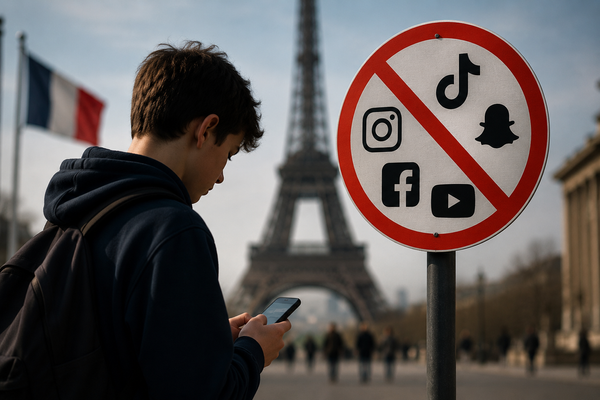
Ten years ago, social pressure around spending existed, but it was quieter. Today, social media broadcasts curated lifestyles around the clock. Vacations, renovations, dining out, and trendy purchases are constantly paraded across screens, making “normal” spending feel extravagant by default.
Even people who know better can feel the pull. Spending is no longer just about utility; it’s tied to identity, self-care, and staying relevant. Subscriptions, apps, and conveniences that didn’t exist a decade ago now feel essential. Individually, these expenses seem small, but together they quietly eat away at money that might have gone into savings.

Debt Is Heavier And Harder To Escape
Debt has always existed, but the scale and persistence of it today are different. Student loans are larger and take longer to pay off, credit card interest rates are higher, and buy-now-pay-later options make it easy to spread purchases into the future. The result is a constant background hum of obligations competing with savings goals.
When a big chunk of income is already spoken for, saving becomes reactive instead of proactive. People save what’s left over rather than paying themselves first, and often there’s very little left. Debt also carries emotional weight, making financial decisions feel stressful rather than empowering, which can lead to avoidance instead of action.
Emergencies Are More Frequent And More Expensive
Ten years ago, an emergency fund could handle most surprises without wiping you out. Today’s emergencies hit harder and cost more. Car repairs, medical bills, home maintenance, and even pet care have become significantly pricier. One unexpected expense can undo months of careful saving in a single swipe of a card.
This creates a frustrating cycle. You save diligently, an emergency strikes, and suddenly you’re back at zero. Over time, this can make saving feel futile, even though emergencies are exactly why savings matter. The emotional whiplash makes consistency difficult, especially when life seems determined to keep throwing curveballs.
Money Feels More Abstract Than Ever
A decade ago, spending felt more tangible. Cash was common, and even card payments required a physical swipe or signature. Today, money moves invisibly through taps, apps, and automatic payments. It’s easier to spend without fully feeling the impact, which makes mindful saving harder.
Automation is convenient, but it can blur awareness. Subscriptions renew quietly, fees slip by unnoticed, and balances update without ceremony. When money doesn’t feel real, saving can feel disconnected from daily life. Rebuilding that awareness takes effort in a world designed to make spending effortless.
The Emotional Weight Of Financial Uncertainty
Beyond the numbers, there’s a growing sense of uncertainty that didn’t feel as intense ten years ago. Economic shifts, job instability, and global events have made the future feel less predictable. When tomorrow feels uncertain, people often prioritize comfort and enjoyment today, even if they know saving is important.
This isn’t irresponsibility; it’s human psychology. Stress changes how we make decisions, and chronic financial stress makes long-term planning harder. Saving requires optimism about the future, and that optimism can be harder to access when everything feels unstable.
Let’s Talk About The Real Struggle With Saving
Saving money today isn’t just about discipline or budgeting apps. It’s about navigating higher costs, shifting expectations, heavier debt, and a world that constantly nudges us to spend. If saving feels harder than it used to, that’s not a personal failure—it’s a reflection of how much the financial landscape has changed. Everyone’s story is different, and hearing how others are coping can be surprisingly reassuring.
Drop your thoughts, experiences, or hard-earned insights in the comments below and join the conversation.
You May Also Like…
Savings Repair: 4 Moves to Catch Up if You’re Within 10 Years of Retirement
5 Ways The New Year Gets In The Way Of Saving Money
Savings Strategy: 9 Micro moves That Add Tens of Thousands Over Time
Savings Recovery: 4 Moves to Make If You Fell Behind This Year
6 Bad Money Habits Families Show During The Holidays
The post Why Is Saving Money Harder Now Than It Was Ten Years Ago appeared first on The Free Financial Advisor.