Get all your news in one place.
100's of premium titles.
One app.
Start reading
The Economic Times
The Economic Times

Why is North Korea ramping up criticism of Japan?

North Korea has stepped up a campaign of rhetoric against Japan's military buildup and its security ties with the United States and South Korea, saying they threaten ​regional stability.

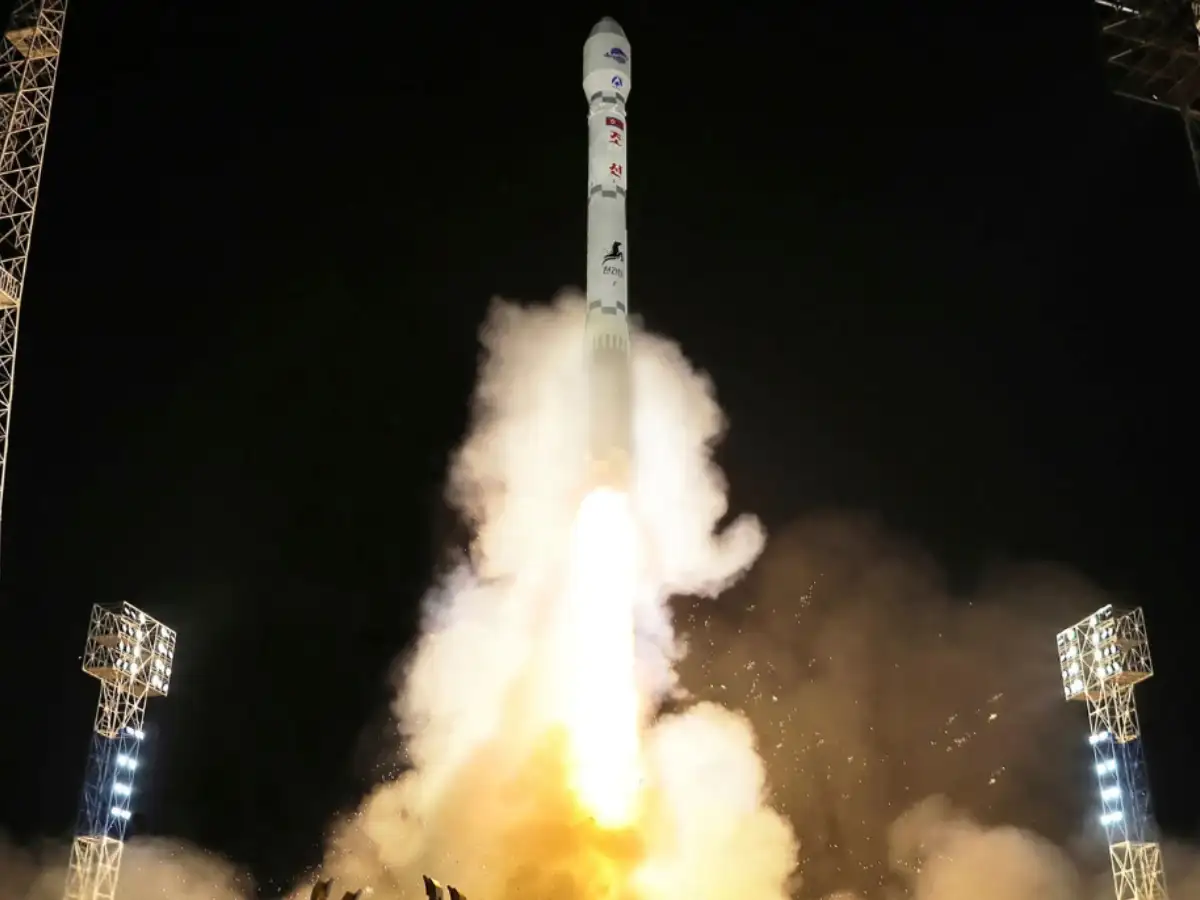
The criticism in more than a dozen state media attacks ​since early July has coincided with an unusual silence over the North's own missile launches, raising questions about Pyongyang's broader strategic messaging.
Why ​is North Korea talking more about Japan?

North Korean statements have targeted Japan's acquisition of counter-strike capabilities, testing of a U.S.-made Tomahawk cruise missile, rising defence spending and Tokyo's annual defence white paper.

Last week, Kim Yo Jong, the influential sister of leader Kim Jong Un, warned of "additional military options" in response to what she described as Japan's transformation into a military power.

Also read: UAE points finger at Iran as two ADNOC ships attacked in Strait of Hormuz

On Tuesday, a KCNA commentary described Japan's 2026 defence white paper as ‌a "re-invasion-minded" document aimed at justifying ⁠military expansion.

The ⁠latest broadside came on Friday, when North Korea criticised annual U.S.-South Korean Ulchi Freedom Shield military drills and accused U.S.-Japan-South Korea military cooperation of evolving into a "nuclear alliance". Washington and Seoul say the drills are defensive.

Another KCNA commentary accused ​Washington of pursuing a strategy that lowers the threshold for nuclear weapons use and cited U.S. extended deterrence commitments to South Korea and Japan.

How has Japan changed its defence stance?

Japan in 2022 announced ​plans to double defence spending to 2% of GDP to counter growing security threats from China, Russia and North Korea.

A major part of that expansion includes spending on long-range missiles such as the U.S.-made Tomahawk, which can strike targets more than 1,000 km (621 miles) away.

Also read: Trump orders Navy catapult system redesign, replacing state-of-the-art tech with older system

Prime Minister Sanae Takaichi's government is expected this year to revise Japan's national security strategy, a move some ​analysts will likely lead to further increases in defence spending, including on drones and arms production.

Is this really about Japan?

Analysts ⁠say Japan ‌is only part of the story.

Park Won-gon, a professor at Seoul's Ewha Womans University, said the primary goal is to frame Northeast Asia as a ​contest between rival camps.

"The biggest ​objective is to create a U.S.-South Korea-Japan versus North Korea-China-Russia framework," Park said.

He said Pyongyang wants stronger backing from Beijing and Moscow to ⁠cement its escape from diplomatic isolation and to bolster arguments that its nuclear arsenal is necessary.

South Korea's Unification ​Ministry expressed a similar view on Thursday after North Korean First Vice Foreign Minister Jang Kum-chol criticised Seoul's plans to ​acquire nuclear-powered submarines and accused South Korea, the United States and Japan of preparing a "second AUKUS" in Northeast Asia.

The ministry said North Korea appears to view South Korea's submarine plans, Japan's evolving security posture and trilateral military cooperation as threats to the regional balance of power, as it increasingly aligns itself with China and Russia.

Kyungnam University professor of North Korean studies Lim Eul-chul said North Korea's messaging increasingly mirrors China's concerns about Japan's military expansion.

Why is North Korea staying silent about its missile tests?

The heightened rhetoric has coincided with unusual silence on North Korea's recent missile launches, which were condemned by South Korea, Japan and the United States.

Despite conducting ballistic missile tests last week and again this week, state media has yet to report either, ‌departing from its usual pattern of publicising tests within a day.

Analysts say the launches may have involved upgrades to existing missile systems rather than new weapons, reducing their propaganda value.

Shin Jong-woo of the Korea Defense and Security Forum said the tests may have involved improved short-range ballistic missiles developed with ​Russian technical assistance and ​potentially destined for Russia.

Kim Yong-hyun, a professor at Dongguk ⁠University, said North Korea may be avoiding publicity if launches are connected to prospective military exports.

What does Russia have to do with it?

North Korea's growing military cooperation with Russia has become a central factor in assessments of its weapons programmes.

Ukrainian President Volodymyr Zelenskiy has repeatedly said Russia continues to use North Korean missiles against Ukraine and has accused Pyongyang of ​providing Moscow with missiles, ammunition and a further promise of troops for the war effort.

Analysts say battlefield feedback and Russian assistance may have helped North Korea improve the accuracy and performance of some missile systems.

Shin said recent launches could have been tests of upgraded variants before deployment or export.

What is North Korea trying to achieve?

Analysts say North Korea is seeking to cast the region in terms of competing blocs, with Pyongyang, Beijing and Moscow on one side and Washington, Seoul and Tokyo on the other.

Portraying U.S.-South Korea-Japan cooperation as an increasingly threatening military and nuclear alliance helps Pyongyang justify its weapons programmes, bolster Chinese and Russian backing and argue that its nuclear arsenal is a necessary response to a worsening security environment, they say.

Sign up to read this article
Read news from 100's of titles, curated specifically for you.
Already a member? Sign in here
Related Stories
Top stories on inkl right now
One subscription that gives you access to news from hundreds of sites
Already a member? Sign in here
Our Picks
Fourteen days free
Download the app
One app. One membership.
100+ trusted global sources.