Noticing signs of distress on your houseplants can cause quite an internal panic, but knowing what these signs mean and how to prevent them is key to being a successful plant owner.
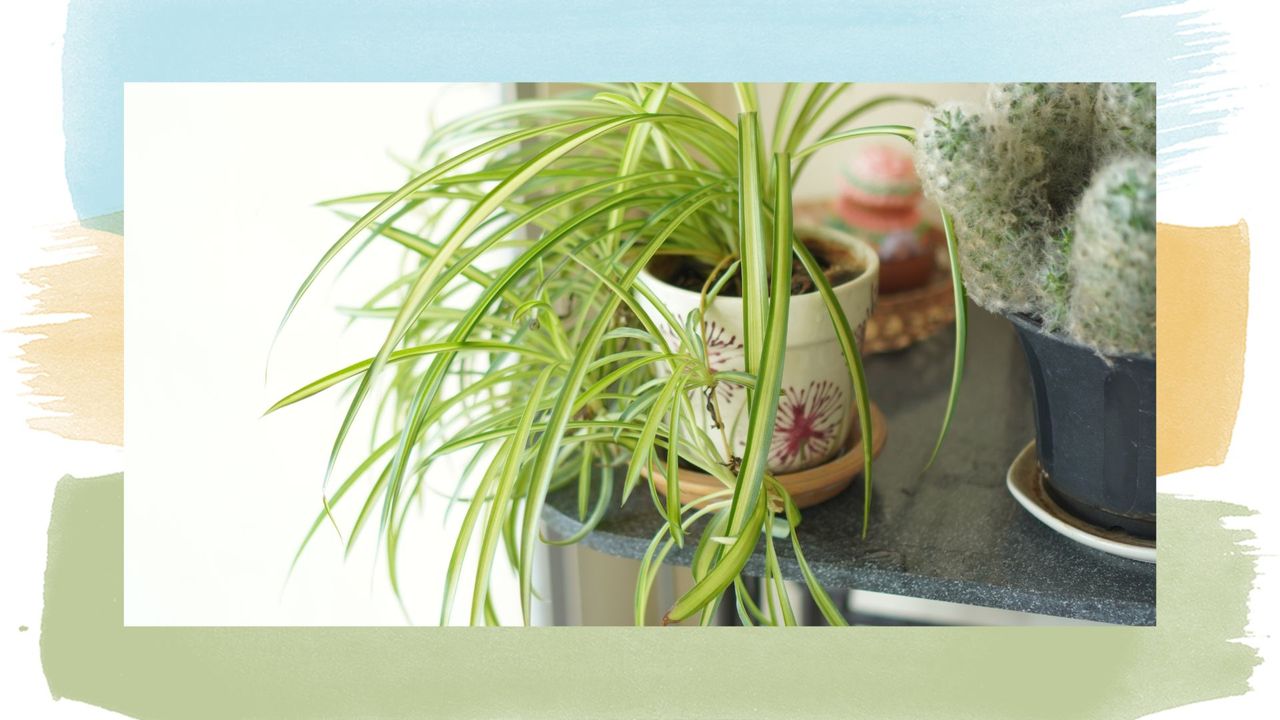
Caring for a spider plant shouldn't be too taxing, as they're usually considered pretty easy-going plants. In fact, many experts would class them as one of the easiest houseplants to keep alive.

However, if you've noticed your usually perky, green plant starting to turn yellow, there are a few reasons for this. We've chatted to plant experts to get to the bottom of why this happens and see what you can do to both prevent it and possibly reverse it.
Why is my spider plant turning yellow?
If you bought your spider plant thanks to its reputation as one of the species that can help with condensation, you may have it sitting in pride of place in your bathroom. Although they're rather low maintenance, they can quickly show signs of ill-health, one such sign being yellowing.
"Both underwatering and overwatering can cause the leaves of your spider plant to turn yellow," starts Lucie Bradley, gardening expert at Easy Garden Irrigation. "The best way to water spider plants is to allow the top inch or so of their compost to dry, normally this means watering your plant once a week. However, to ensure it does need watering, simply feel the compost to see if it is dry or moist."
Another common houseplant mistake to make with this species is placing it in inadequate lighting.
"Spider plants thrive in a position where they will get bright, indirect light. So when finding the best position for your plant is close to an east or west-facing window. If your plant is in a position where it is getting either too little light or too much light, then this will affect the colour of its leaves, and they will start to yellow," Lucie explains.

The last possible issue with your yellowing spider plant is if it's pot-bound. Knowing when to repot your plants and how to repot them properly is key to their long-term care.
"While spider plants thrive in pots which keep their roots crowded, so just three to five centimetres wider than their root ball, when they become pot-bound, their leaves can start to turn yellow," begins Lucie.
"With overcrowding, the roots are also depleted of oxygen, so leaves will yellow," she continues. "Repotting your spider plant into a pot just another 5cm wider, using a fresh, well-draining houseplant compost, carefully loosen the root ball and remove any brown or mushy roots which have rotted, then your plant will recover."
Did you know they are also air-purifying plants, so they actually improve your home's air quality while being a joy to look at.
How do you fix yellow leaves on a spider plant?
If you want to learn more about caring for indoor plants and how to resurrect them when things start looking a little dire, there are ways to stop yellowing.
"Yellowing leaves sadly can’t be reversed, but you can take some steps to prevent more leaves from turning," says Angharad James, Brand Manager at Baby Bio®. "The first step is to check the soil.
Spider plants like to dry out slightly between waterings, so make sure the pot isn’t sitting in soggy compost and that it has good drainage holes in case of any future incidents of overwatering."
"Next, trim away any fully yellow leaves to help the plant focus its energy on healthy growth, then check it’s getting enough bright, indirect sunlight. Finally, give it a feed with a balanced houseplant feed, such as Baby Bio® Houseplant Food, to help restore nutrients and encourage fresh, green leaves, being mindful not to overdo the watering!” she adds.
Can a yellow leaf turn green again?
Unfortunately, when your spider plants' leaves go yellow, there's not much you can do to bring them back. It's similar to when the plant starts turning brown.
"Once a leaf is truly yellow, the chlorophyll is gone, and it will not re‑green. You can remove fully yellow leaves cleanly at the base with sanitised scissors to tidy the plant and redirect energy to new growth," explains Dr Russell Sharp, Founder of Eutrema.
"If a leaf is only lightly yellowed from a transient stress, it may stabilise but will not regain full colour, and variegated cultivars will always have their naturally pale stripes. The key is to correct the cause so that subsequent leaves emerge healthy and green. With stable care, you should see firmer, brighter new growth within a few weeks," he says.
How do I make my spider plant healthy again?

It might be a common houseplant myth that once your plant starts dying, there's no way back for it, but there is hope yet.
"To make a spider plant healthy again, you will need to resolve the issue that is affecting the plant. For watering issues, you will either need to let the soil dry out completely before watering again, or water thoroughly and adjust your watering schedule so that the plant's soil is kept consistently moist," says Richard Barker, Commercial Director and horticulture expert at LBS Horticulture.
"General things that can help to keep the plant healthy are removing dead leaves to encourage new growth, ensuring the plant is receiving bright but indirect light and giving the plant a balanced fertiliser when new growth appears. It is important to be patient when waiting for a spider plant to recover, as it will eventually show new growth from the centre of the plant once conditions have improved," he continues.
Shop houseplant essentials
Feed your plant with this cult classic plant food, also Amazon's Choice buy. The trusted fertiliser is made to help grow vibrant and healthy indoor plants to provide the right nutrients.
These attractive hand-blown colourful glass watering devices are an easy way to employ a self-watering feeding system for your indoor potted plants. Perfect to prevent overwatering your houseplants, and they come in a pack of six.
This mix is not only ideal for repotting your plants, but it's also great for seedlings, cuttings, and herbs. By choosing a specialised potting mix, your plants will have a better chance of thriving and getting all the nutrients they need.
It's also important to keep an eye out for the common houseplant pests that could be slowly killing your favourite leafy friends. Pests can often go unnoticed for far too long, so knowing what they look like and the signs of their damage is key to protecting your plants.