
When I was commissioned to write this article, my immediate thought was, “Well, it’s obvious, isn’t it? Statistically, and working on averages, female golfers don’t hit it as far as male golfers do, and those differences in average hitting distances need to be reflected in different course ratings for men and women.”
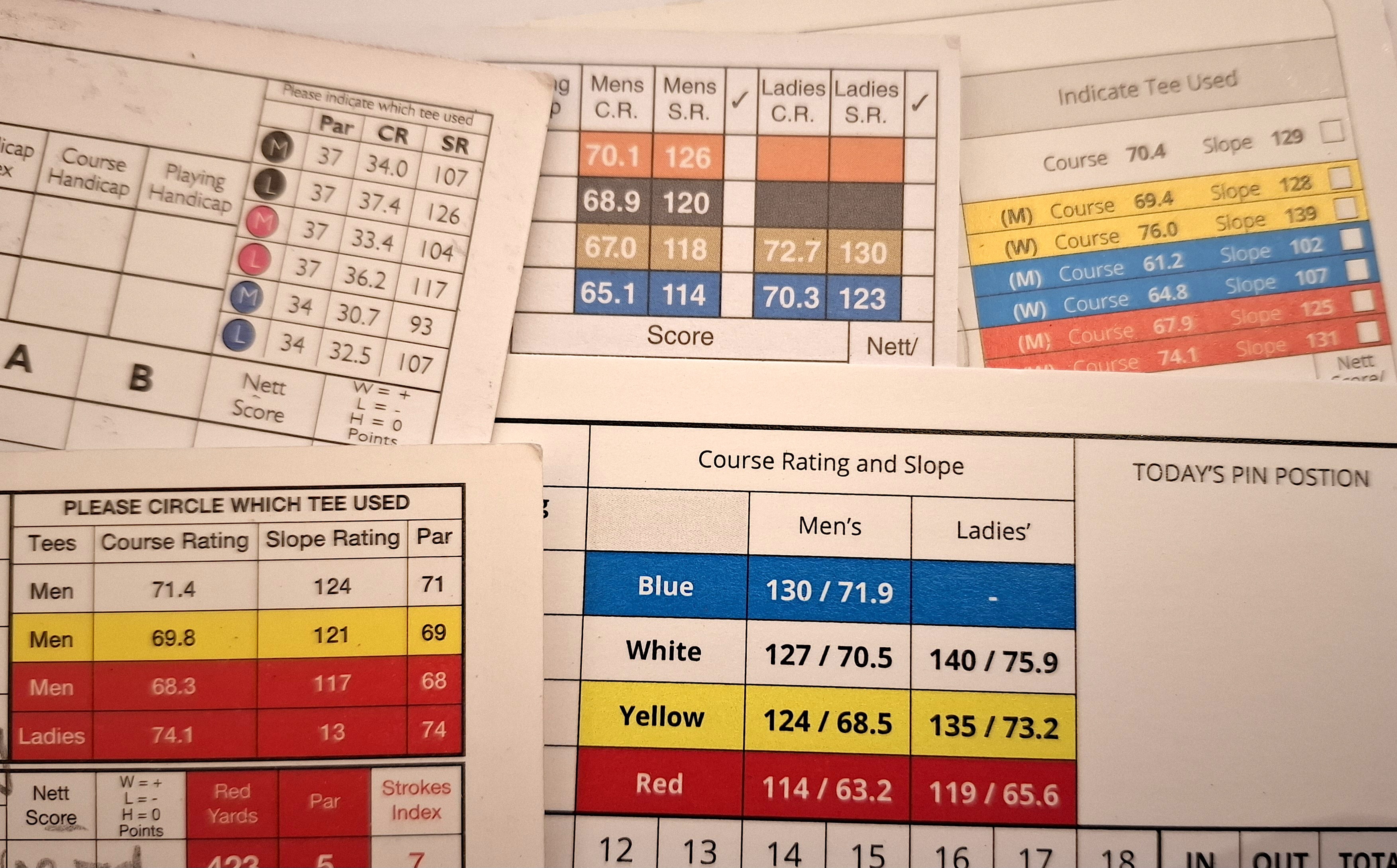
But when that commissioning editor came back with, “Why should a woman who hits it a long way enjoy a higher course rating than an older man who doesn’t hit it as far off the same tees?” my confidence in my original answer began to waver a little.
Historically, it was never really a matter for debate, was it? Men played off the men’s tees, women played off the women’s tees and never the twain shall meet.
Now, of course, under the World Handicap System, each set of tees can be rated for both men and women in the drive to encourage people to play off the most appropriate tees for them, or for the conditions on a given day.
But the initiative so far has seen far more courses offer men’s ratings for their shorter sets of tees than women’s ratings for their longer sets of tees.
Some clubs have evolved away from the traditional white, yellow and red tees to completely new colour palettes in a bid to help cast aside the ‘red equals ladies’ long-standing tee association – Burnham and Berrow in Somerset, for example, a course rated highly in our UK&I Top 100 Course Rankings.
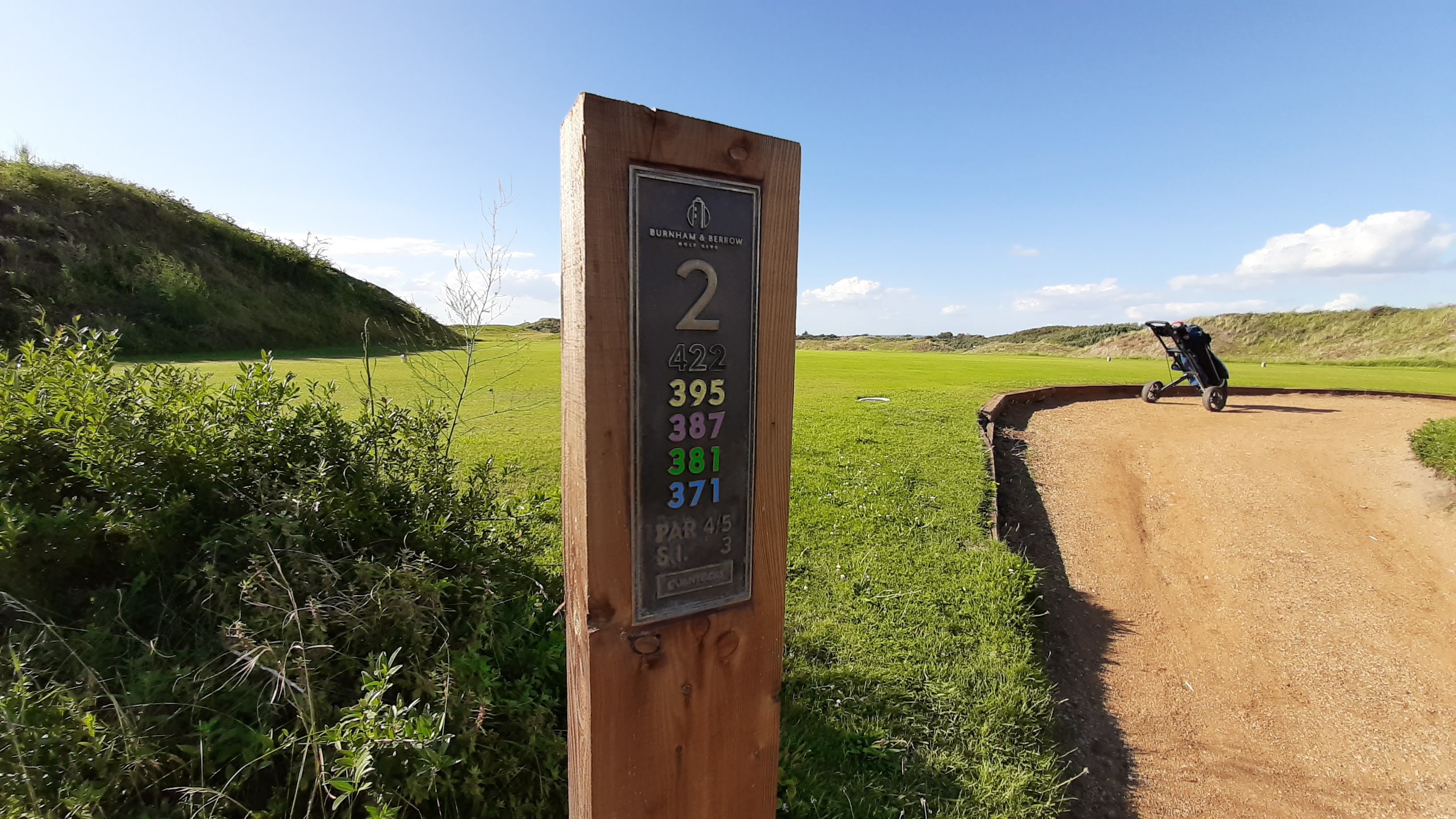
While nothing much will have changed at many clubs in terms of who actually plays off what tees, other golfers are embracing change more fully such that, in time, those historic gender-based colour associations may begin to subside.
If tees do, then, effectively become ability-based rather than gender-based, why the need for any gender differentiation from the same set of tees?
My colleague, Katie Dawkins, has discussed related issues in some depth in an article expressing her disappointment that most courses haven’t been rating their longer sets of tees for women, forcing some women to play competitively off more forward tees than they would ideally like.

In that article, entitled ‘Tee Box Inequality’, Katie wrote, “Courses can’t just be 'rated' and the rating used for men and women. The landing areas are totally different for men and women with hazards and carries coming into play for men but not women and vice versa.
“The same golf course from the back tees plays very differently for men than it does for women. This doesn’t mean women shouldn’t play from the back tees, it just requires the women’s rating to allow for the differences.”
She is, of course, talking here about those averages that I referred to earlier, but she will have played with many men who she hits it as far as, meaning that for her, the landing areas and challenge of the course will, effectively, be the same as for certain shorter-hitting men she plays with.
And if that is the case, why should their course ratings (and slope ratings) be different such that one will have a higher course handicap and therefore get more shots than the other?
Should course ratings, therefore, be purely distance-based with gender taken out of the equation? That would undoubtedly have many female golfers, understandably, up in arms as it goes strongly against conventional wisdom.
'Ongoing research'
But, when I approached Claire Bates, director – handicapping at The R&A, for comment, expecting the notion of course rating parity to be dismissed out of hand, I found that while the respective ratings are, indeed, very much built around average hitting distances, the issue raised by my commissioning editor had certainly not escaped their attention.
“The current Course Rating System calculates separate ratings for men and women as it is based on the expected performance of both the scratch and bogey man and the scratch and bogey woman, influenced by average hitting distance,” Bates explained, before continuing.
“While the system works and has been successfully administered for decades, we understand not everyone fits these profiles and there are long-hitting women and girls, and shorter-hitting men.
"This area forms part of our ongoing research within the broader Course Rating Modernisation project underway, to help reduce the resource burden on National Associations and improve efficiencies and accuracy.”
So, will, or should, we expect to see any change on this front in the future? Probably not and I certainly wouldn’t say ‘watch this space’. But clearly this potential conundrum is at least sufficiently on the radar of those who oversee the WHS to warrant further discussion.