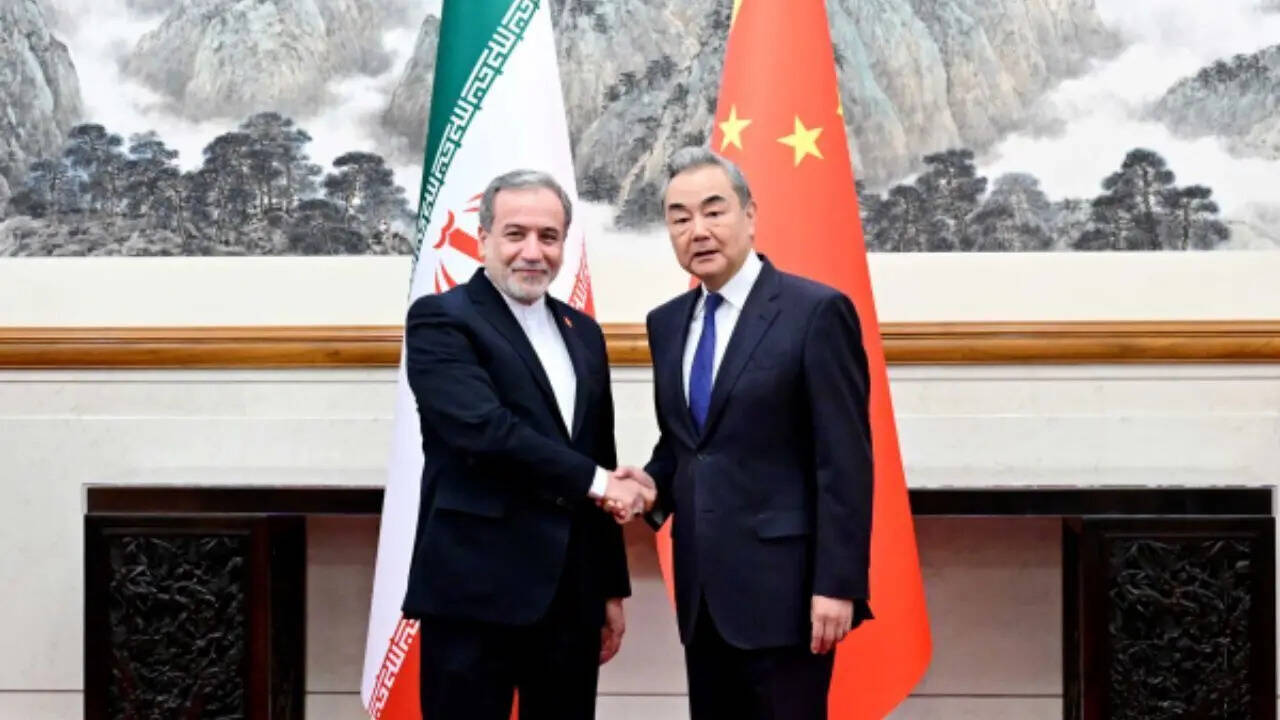
China and Iran have maintained diplomatic ties for decades. Yet Beijing's response to the ongoing conflict in the Middle East has been notably measured: diplomatic support for Tehran, criticism of US and Israeli military actions, and repeated calls for de-escalation — but no indication of a willingness to intervene more forcefully.
Get breaking news anytime, anywhere. Download the TOI app now!

This cautious approach raises an important question: if Iran is such an important partner, why has China not done more to support it during the conflict?
The answer lies in the nature of the relationship itself. While Beijing is reluctant to become directly involved in Iran's conflicts, it has strong reasons to ensure Tehran remains stable and aligned with its interests. From discounted oil supplies and trade corridors to its broader rivalry with the United States, Iran occupies a strategic position in China's calculations that would be difficult to replace.
The conflict has therefore highlighted both the importance and the limits of the China-Iran relationship. Beijing may not be willing to fight for Iran, but it cannot afford to lose it.
China and Iran: A relationship built on interests
The two countries established diplomatic relations in August 1971. Unlike China's "all-weather" ties with Pakistan, however, its relationship with Iran has largely been shaped by strategic interests rather than deep political or security alignment.
Chinese President Xi Jinping last visited Iran in 2016 during his first term in office. In contrast, Xi has visited several of China's other key partners more frequently, underscoring that the relationship, while important, is not among Beijing's closest.