
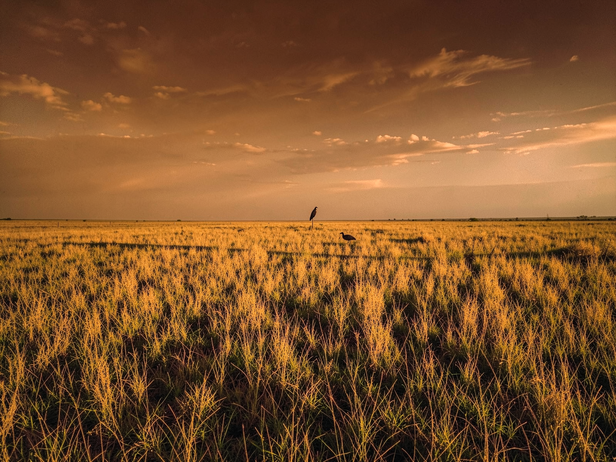
The Great Indian Bustard weighs up to 15 kilograms, stands a metre tall, and is functionally extinct in the wild, with fewer than 150 individuals surviving across Rajasthan and Gujarat. It is the world's heaviest flying bird. It needs open grassland to breed, to forage, and to display. What it does not need, and cannot survive alongside, is trees. Yet for decades, the land it depends on has been handed over to tree-planting drives, solar farms, and agricultural conversion, all of it legally uncontroversial, because the land was officially classified as wasteland.

Get all your news in one place.
100's of premium titles.
One app.
Start reading
One app.
Get all your news in one place.
100's of premium titles. One news app.
Why India Calls Its Grasslands Wasteland and What That Word Has Cost Wildlife
Wildlife
India
Wildlife Institute of India
Rajasthan
Gujarat
Drought
Earth
Extinction
Flood
Himalayan
Sign up to read this article
Read news from 100's of titles, curated specifically for you.
Already a member?
Sign in here
Top stories on inkl right now
One subscription that gives you access to news from hundreds of sites
Already a member?
Sign in here
Related Stories
Top stories on inkl right now
One subscription that gives you access to news from hundreds of sites
Already a member?
Sign in here
Our Picks