Get all your news in one place.
100’s of premium titles.
One app.
Start reading
Grocery Coupon Guide
Catherine Reed

Why Grocery Prices Are Set to Spike in February and How to Beat the Clock

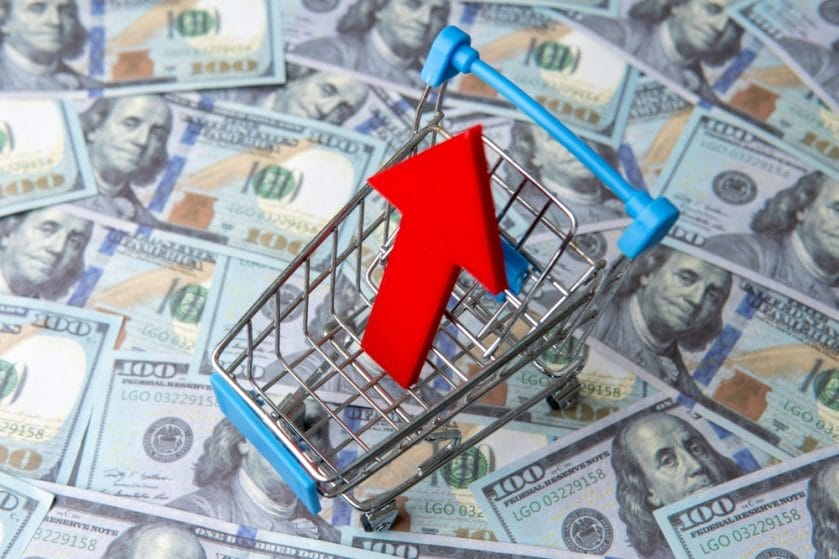
Image source: shutterstock.com

February has a sneaky way of making a normal grocery run feel like it costs 20% more overnight. You’ll see smaller sale sections, fewer “too good to skip” promos, and a cart total that climbs even when you buy the same basics. That doesn’t mean you’re doing anything wrong—seasonal demand shifts, promo calendars reset, and supply costs can collide at the same time. The good news is you can plan for the bump and shop ahead of it without turning your kitchen into a warehouse. Here’s how to beat the timing and keep grocery prices from wrecking your budget.

Why February Can Hit Your Budget So Fast

Retailers often roll into February with a fresh promo cycle and fewer deep markdowns after heavy January traffic. Winter weather can tighten supply on produce and disrupt deliveries, which pushes prices up at the store level. Holiday demand can linger too, especially around events that drive snack foods, beverages, and baking staples. When timing stacks up like that, grocery prices don’t rise evenly, so a few categories jump while others stay steady. Your job is to spot the jumpers and buy those items before the calendar flips.

What Makes Grocery Prices Spike in February

Brands and stores frequently change their discount calendars after January, and that “reset” can thin out the best coupons for a couple of weeks. Meat and dairy can swing with feed costs, cold-weather demand, and supply chain slowdowns, which makes week-to-week pricing feel unpredictable. Produce often shifts regions in winter, so your favorite fruits and veggies may travel farther and arrive with higher costs. You’ll also see fewer clearance opportunities because stores sell through holiday extras earlier and reorder tighter in February. When you understand those patterns, grocery prices feel less like a surprise and more like something you can plan around.

Build A Two-Week “Beat The Clock” List

Start by listing your non-negotiables for the next two weeks: breakfasts, lunches, dinners, and the snacks that keep everyone happy. Then identify the items you use constantly that store well, like rice, pasta, oats, canned goods, coffee, and shelf-stable milk. Add freezer-friendly proteins and vegetables you can rotate into quick meals, because that’s where you’ll feel the biggest savings when grocery prices jump. Keep the list tight and specific so you don’t stock up on random stuff you won’t actually use. When you shop with a two-week plan, you’re buying ahead with purpose, not panic.

Stock Up Without Waste Using A “Usage First” Rule

Before you grab extra, check what you already have and write the expiration dates on the front with a marker. Choose versatile staples you can use in multiple meals, so your stock-up doesn’t lock you into one boring menu. Freeze what you can the day you buy it, portion it into meal-sized packs, and label it so nothing disappears into freezer mystery land. This helps you avoid the classic stock-up trap: spending more now, then tossing food later. Even when grocery prices rise, waste is still the most expensive ingredient in your kitchen.

Time Your Deals Like A Store Manager Would

Watch the weekly ad schedule and shop right when new promotions drop, because the best deals often sell out first. Stack digital coupons with store sales when possible and prioritize the items that rarely get discounted deeply. If your store offers a loyalty price, screenshot it before checkout so you can catch mispriced items fast. Use substitutions strategically: swap brands, sizes, or forms (frozen vs fresh) when the deal is better, without changing your meal plan. This approach keeps grocery prices from dictating your cart, because you’re deciding based on patterns, not impulse.

Use A Simple Price-Check Habit That Works All Year

Pick five “budget signal” items you buy all the time—like eggs, chicken, bread, a favorite produce item, and a snack—and track their prices for a month. You’ll quickly learn which store runs the best cycles and which weeks tend to be higher. When those signal items rise, treat it as a cue to lean harder on pantry meals and freezer staples for a week or two. This tiny habit makes you faster at spotting when grocery prices are creeping up, even before you feel it at the register. You don’t need a spreadsheet to win—just a consistent, repeatable check.

The February Game Plan That Keeps You In Control

Buy ahead on the items that store well, then shift your week-to-week shopping toward only the best promos and true needs. Keep your meal plan flexible so you can pivot to what’s on sale without losing momentum. Use your freezer like a buffer, not a graveyard, and label everything so it actually gets eaten. Most importantly, treat price spikes like a season, not a crisis, and plan your timing accordingly. If you stick to this rhythm, grocery prices won’t feel like a surprise attack—they’ll feel like something you already saw coming.


What’s the one item you always try to buy before February—coffee, meat, snacks, or something else—and why?


What to Read Next…

Are Food Price Projections for 2026 Good or Bad News for Shoppers?

Do You Know Which Days Produce Prices Are Lowest?

The “Best By” Date Myth: Why Shoppers Throw Away Perfectly Good Food

Is Online Grocery Pickup Costing You More Than You Think?

Are Discounted Grocery Items Really Healthier Buys?

The post Why Grocery Prices Are Set to Spike in February and How to Beat the Clock appeared first on Grocery Coupon Guide.

Sign up to read this article
Read news from 100’s of titles, curated specifically for you.
Already a member? Sign in here
Related Stories
Top stories on inkl right now
One subscription that gives you access to news from hundreds of sites
Already a member? Sign in here
Our Picks
Fourteen days free
Download the app
One app. One membership.
100+ trusted global sources.