For decades, buying generic brands was seen as a compromise—a necessary sacrifice for those on a tight budget. But in 2026, the script has flipped. The rise of “dupe culture,” fueled by social media and savvy inflation-fighting shoppers, has turned store-brand products into coveted items. These “dupes”—short for duplicates—are not just cheap knockoffs; they are often chemically identical products manufactured in the same facilities as the name brands, sold for a fraction of the cost. Embracing the dupe trend is no longer about pinching pennies; it is about outsmarting the marketing machine.

The Science of the “Private Label”
Most shoppers do not realize that the grocery ecosystem is smaller than it appears. There are not hundreds of factories making pasta sauce; there are a few massive facilities that produce sauce for everyone. A factory might run a line of Rao’s Marinara in the morning and then switch the labels to the store’s “Premium Select” brand in the afternoon. The recipe might be tweaked slightly, or in some cases, not at all. The only difference is the jar and the marketing budget. By buying the dupe, you are paying for the tomatoes, not the television commercials.
The Aldi and Trader Joe’s Effect
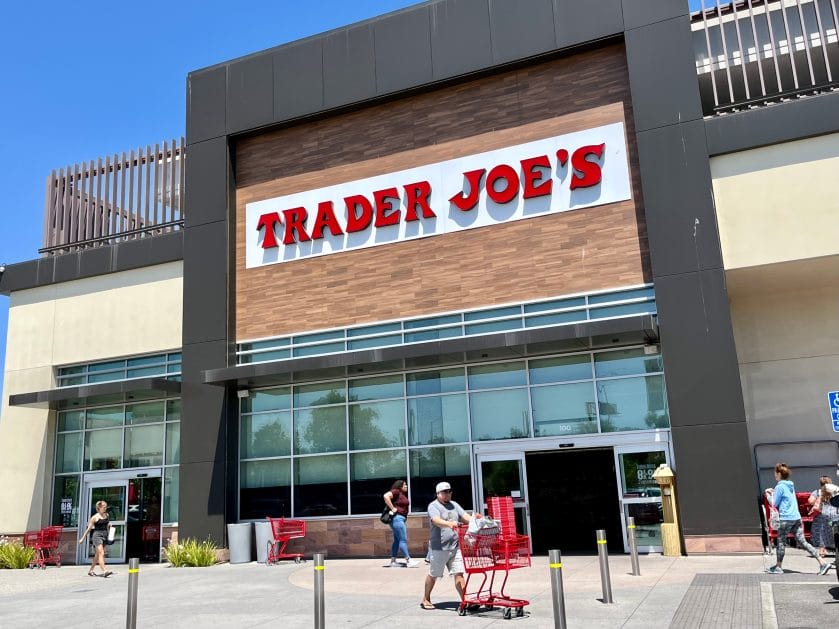
Retailers like Aldi and Trader Joe’s have pioneered this movement. They don’t just offer generics; they build their entire business model around high-quality dupes. Aldi’s “Girl Scout Cookie” knockoffs are famous for tasting fresher than the originals because they don’t sit in warehouses for months. Trader Joe’s “Takis” dupes offer the same spicy crunch without the artificial dyes. These stores have trained a generation of shoppers to view the store brand not as a downgrade, but as an exclusive find.
The Blind Taste Test Reality
When stripped of packaging, name brands rarely win. Blind taste tests consistently show that consumers often prefer the store brand or cannot tell the difference. In categories like cereal, baking supplies, and pantry staples, the technology to produce quality food has been democratized. The “Great Value” version of a toaster pastry utilizes the same food science as the name brand. In 2026, paying a forty percent premium for a logo is increasingly seen as a lack of consumer savvy rather than a badge of quality.
Social Media “Treasure Hunting”

The dupe trend has been accelerated by TikTok and Instagram, where users hunt for the best copycats. Finding a five-dollar facial moisturizer at a grocery store that has the exact ingredient list as a fifty-dollar luxury cream is a viral moment. This has gamified the grocery trip. Shoppers are now actively scanning ingredient labels to find the hidden gems, turning the chore of shopping into a treasure hunt for value.
Inflation as the Great Equalizer
The sharp inflation of the early 2020s forced many loyal name-brand shoppers to try generics out of necessity. Once they switched, they realized the quality gap had closed. Now that prices have stabilized, these shoppers are not switching back. They have realized that the “dupe” lifestyle allows them to maintain their standard of eating without blowing their budget. It is a permanent shift in consumer behavior that is forcing big brands to panic.
The stigma of the white-label can is dead. In 2026, the smartest cart in the checkout line is the one filled with dupes. By ignoring the brand name and focusing on the ingredient list, you are participating in one of the most effective consumer rebellions of the decade.
What to Read Next
We Need To Talk About These 7 Aldi Dupes That Are Better Than The Name Brand
Why Whole Foods’ Discount “Surprise Bags” Are the Best Grocery Deal This Year
11 Beauty and Household Store Brands That Beat Luxury Labels Blindfolded
5 Ways Delis Are Quietly Replacing Products With Alternatives
Plug the Cash Leaks in Grocery Orders: 11 Smarter Alternatives
The post Why “Grocery Dupes” Are the Smartest Trend of 2026 appeared first on Grocery Coupon Guide.