
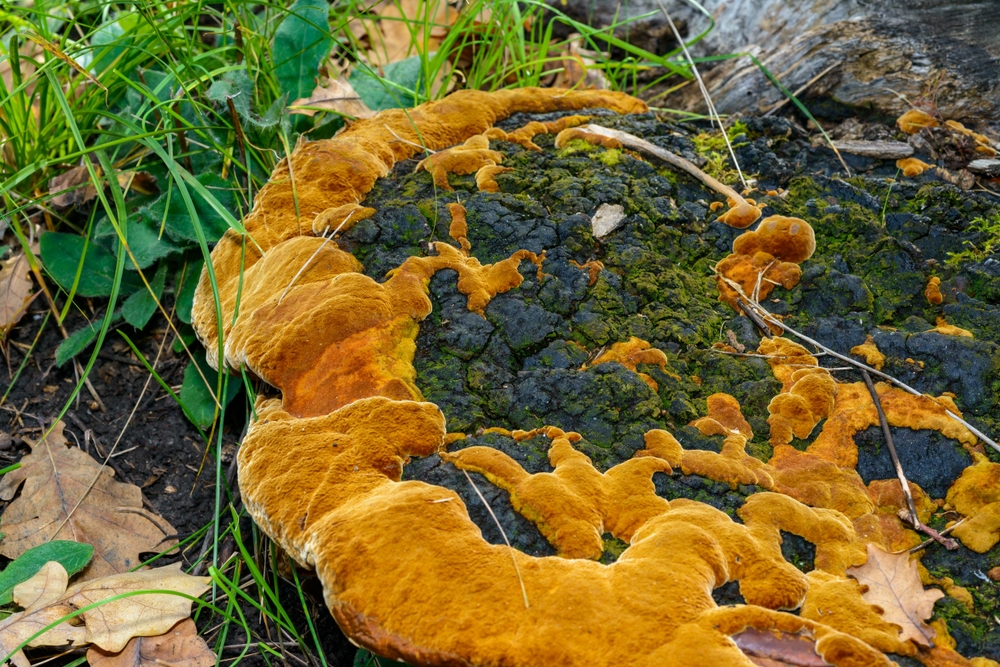
One week your peppers look fine, and the next week an entire section of the bed collapses like someone flipped a switch. In Texas, that “sudden wipeout” pattern is often tied to heat, humid nights, and a pathogen that hangs out in the soil waiting for the perfect moment—often southern blight (Sclerotium rolfsii). The frustrating part is how fast it moves when conditions line up, especially in thick mulch, tight spacing, and constantly damp root zones. The good news is you can reduce the risk without expensive chemicals, and you can do it with better habits you’ll use every season. If you suspect a soil-borne fungus is targeting your beds, a few practical changes can save the next planting.