
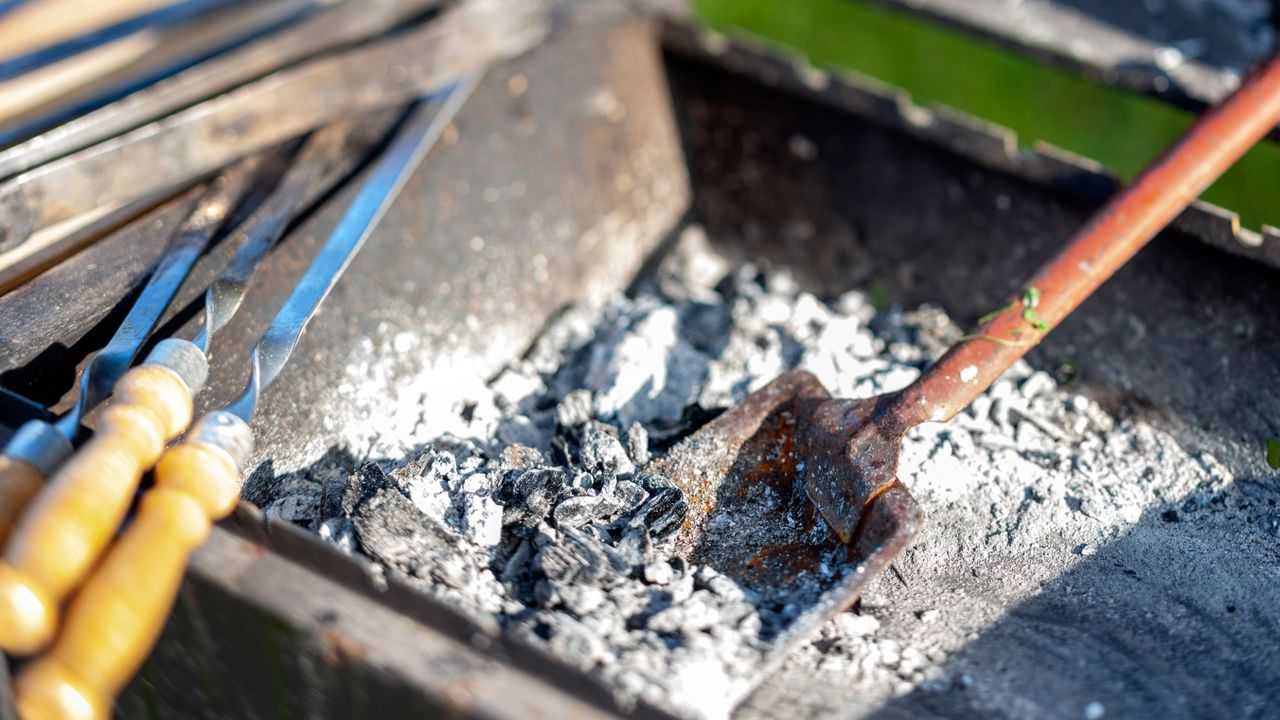
Now that warmer weather is finally here, many households have already put their best grill to good use, or are getting ready to host those backyard cookouts (World Cup watch parties, anyone?). And if you prefer cooking with wood charcoal, don’t throw out your leftover ash after your feasts.
Surprisingly, wood charcoal ash is valuable to certain plants and will help to give them a healthy boost. And gardeners are sprinkling their ash leftovers as a great soil enhancer — effectively neutralizing soil pH while providing a powerhouse of essential nutrients, including potassium, calcium, phosphorus and magnesium — that will help your garden thrive.

From herbs and juicy tomatoes to beautiful blooms such as roses, who knew that our smoky remnants would be liquid gold for our plants? Before you sprinkle ash into your soil, however, it’s recommended to do a test to check pH. This simple step identifies the current alkalinity levels and ensures you apply just the right amount to your plants.
In addition, avoid using wood ash around acid-loving varieties and never use it on delicate seedlings, in case it causes more harm than good! For best results, stick to plants that flourish in more alkaline environments.
So before you ditch your grill waste, put it to good use in the garden instead. Here are just a few of our favorite plants that will love your leftover charcoal ash.
Succulent strawberries
There’s nothing better than fresh, juicy strawberries, and if you want a bountiful harvest this summer, sprinkling grill ash can give them that much-needed boost.
Strawberries thrive in excellent drainage conditions, so adding wood ash to the compost (before planting) can significantly help to loosen soil and improve drainage — especially when dealing with heavy clay soil. Generally, strawberries prefer a soil pH between 5.5 and 7.0, which ranges from fairly acidic to mildly alkaline.
Tastier tomatoes
Another popular plant we all love growing here at Tom’s Guide is tomatoes. But did you know that wood ash can make a great fertilizer before planting tomato seedlings in a bed?
Similarly, tomatoes require loose, well-draining soil to grow healthy and in abundance. Adding ash around the plant bed, this can improve soil quality and add essential nutrients such as potassium that can help to prevent diseases such as blossom end rot. Again, before you sprinkle ash, always check the results of your soil tests since tomatoes are a delicate plant.
For more top tips, find out when to fertilize tomatoes: the 3-step schedule for a bountiful harvest.
Rosy roses
If you love roses or simply want to grow the perfect roses this summer, there are plenty of things to consider. More importantly, and depending on the variety, you’ll need the right soil pH level for them to thrive and stay healthy all season.
Typically, most rose varieties grow as perennials in Zones 5 to 11 and require a soil pH between 6.0 (slightly acidic) and 8.0 (alkaline). Depending on your soil test readings, you can repurpose your grill ash to amend the soil pH for your beautiful blooms — and get rid of nuisance pests too. This will help to ensure you have a healthy and vibrant rose garden to enjoy at all times.
Don't use just any grill ash!
While wood ash can certainly benefit your garden, it’s critical to remember that not every smoky remnant is good for the soil. To protect your garden's health, you should strictly avoid using leftovers from fatty briskets or any charcoal that required chemical lighter fluids, as these harmful additives can easily ruin your soil quality.







