
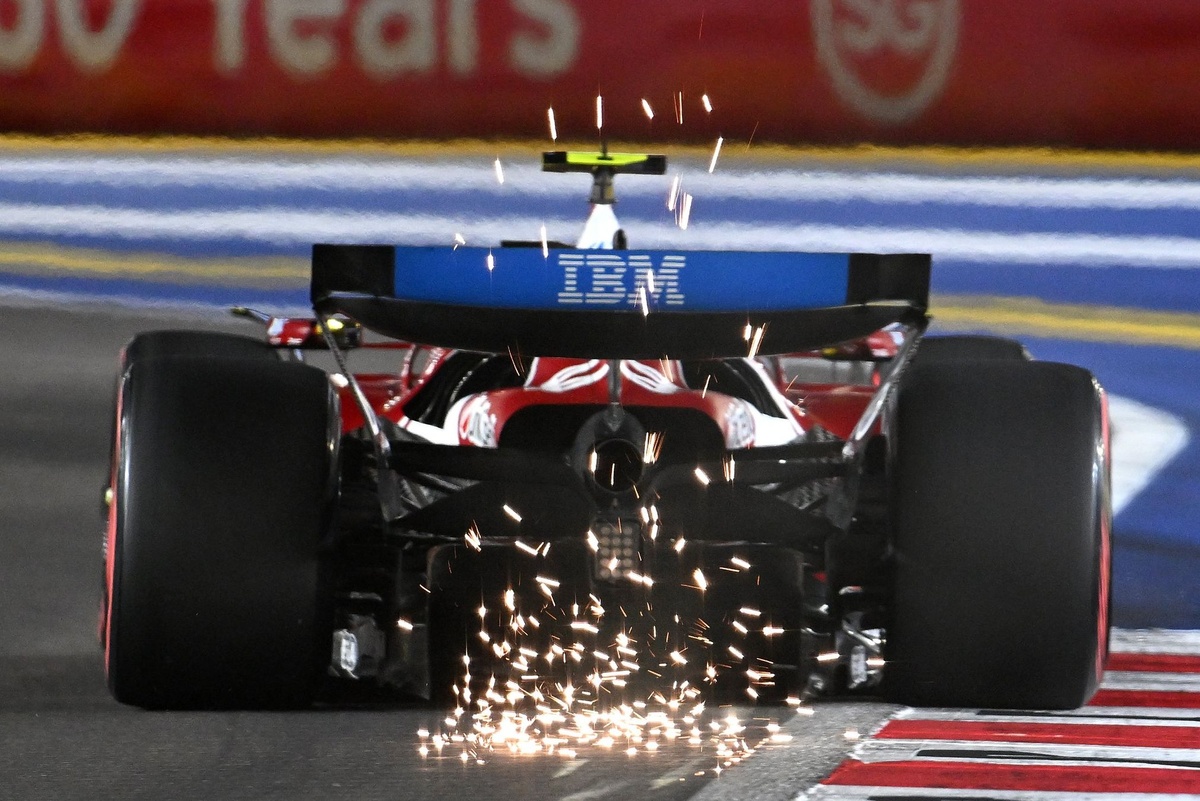
Among the starkest lessons of the 2025 season has been that if you want to win grands prix, you have to adopt extreme solutions – particularly with the way you run the floor, the most important downforce-generator on the car. McLaren offers the proof: the superiority it showed in the first part of the year stemmed precisely from hidden innovations guiding the design of the MCL39.
Red Bull's recent renaissance demonstrates it has belatedly caught on to a similar approach, having wasted the first part of the year (under the previous leadership) fruitlessly accusing McLaren of cheating.
Another team that tried to take this path was Ferrari, which adopted a new design philosophy with the SF-25 to overcome the structural limits of the SF-24 – by then at the end of its development potential. To win, it was necessary to go further with bolder choices, and the mechanical and aerodynamic changes were intended to unleash creativity not only during the winter, but also throughout the season.
Here lies the paradox: those very modifications, which were supposed to unlock new opportunities, have become a limit on development. The goal was to start the season with a competitive car – but those design choices, which held Ferrari back from the very first races, ultimately stifled its potential for growth over the course of the championship.