
Get all your news in one place.
100’s of premium titles.
One app.
Start reading
Saving Advice
Saving Advice
Teri Monroe

Why Elderly Caregivers Are Burning Out Faster Than Ever Before

elderly caregiver
Image Source: Shutterstock

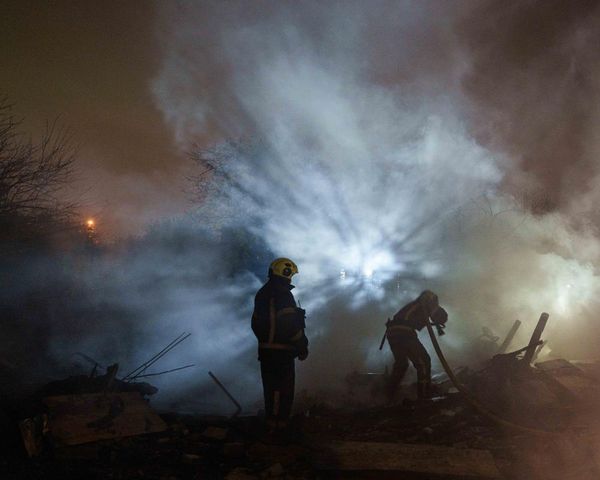
Caring for aging loved ones has always been demanding—but today’s elderly caregivers are reaching a breaking point. With longer lifespans, more complex medical needs, and fewer support systems, burnout is rising faster than ever. Many caregivers are seniors themselves, juggling their own health issues while providing round-the-clock care. The emotional, physical, and financial toll is pushing families to the edge. Here’s why burnout is accelerating—and what can be done to ease the burden.
Longer Lifespans, Greater Demands

People are living longer, but not always healthier. Chronic conditions like dementia, diabetes, and mobility issues require constant attention. Caregivers often find themselves managing medications, appointments, and personal care for years—not months. The extended duration of care leads to exhaustion and emotional fatigue. Without breaks or support, burnout becomes inevitable.

Fewer Family Support Systems

Modern families are more dispersed than ever. Adult children may live hours away, leaving one person to shoulder the caregiving load. Divorce, smaller family sizes, and strained relationships also reduce available help. Many caregivers feel isolated and overwhelmed, with no one to turn to. The lack of a support network intensifies stress and accelerates burnout.

Financial Pressure Is Mounting

Caregiving often comes with hidden costs—lost income, out-of-pocket expenses, and reduced retirement savings. Some caregivers quit jobs or cut back hours to provide care, sacrificing their own financial stability. Others struggle to afford home modifications, medical supplies, or respite services. The financial strain adds another layer of anxiety to an already difficult role.

Mental Health Is Often Overlooked

Caregivers are at high risk for depression, anxiety, and chronic stress. Yet mental health support is rarely offered or prioritized. Many feel guilty for needing help or fear judgment for expressing frustration. Without counseling, peer support, or coping tools, emotional exhaustion builds silently. Mental health care should be part of every caregiving plan—but too often, it’s missing.

The Need for Respite and Recognition

Caregivers need breaks—but many don’t get them. Respite care, adult day programs, and home health aides can provide relief, but access is limited and often expensive. Beyond practical help, caregivers need recognition. Their work is vital, yet undervalued. Acknowledging their role and offering consistent support can make a profound difference.

Solutions Start With Awareness

Burnout isn’t a personal failure—it’s a systemic issue. Communities, healthcare providers, and policymakers must do more to support caregivers. That includes funding respite programs, expanding mental health services, and offering financial assistance. Families can help by sharing responsibilities, checking in regularly, and encouraging self-care. The first step is recognizing the problem—and taking it seriously.

Are you an elderly caregiver facing burnout? Share your story or tips in the comments—we’d love to hear how you’re coping.

You May Also Like…

Sources:

Sign up to read this article
Read news from 100’s of titles, curated specifically for you.
Already a member? Sign in here
Related Stories
Top stories on inkl right now
One subscription that gives you access to news from hundreds of sites
Already a member? Sign in here
Our Picks
Fourteen days free
Download the app
One app. One membership.
100+ trusted global sources.