Hundreds of thousands of rail travellers faced delays of an hour or more after the system that allows train drivers to communicate with signallers failed.
It is the Global System for Mobile Communications-Railway (GSM-R). Network Rail says it delivers “digital, secure and dependable communications between drivers and signallers”.
GSM-R was rolled out between 2007 and 2014 at a cost of £1.9bn to increase safety and reduce costs by replacing the patchwork of inefficient legacy systems which were expensive to maintain. It uses a combination of standard mobile technology alongside a customised telecommunication network.
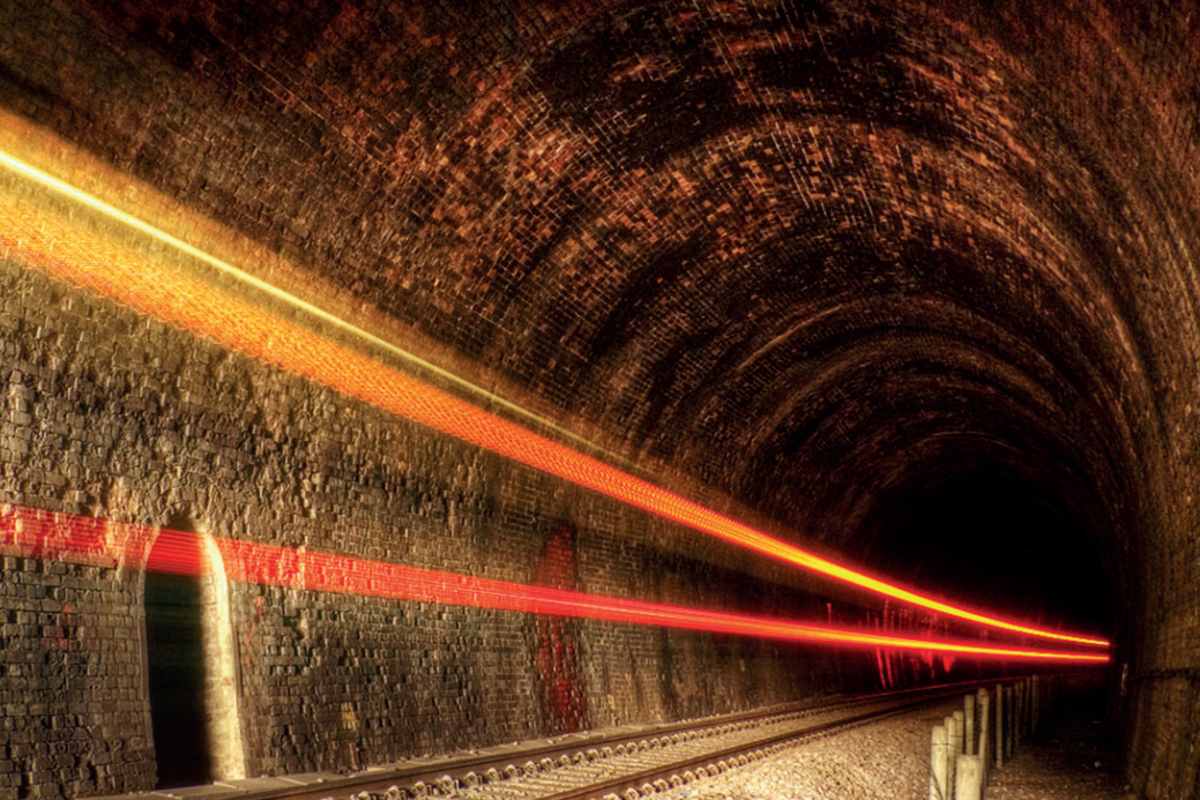
Without GSM-R, drivers can be out of contact with signallers while their trains are in deep cuttings and tunnels. Network Rail says GSM-R “improves safety for drivers, maintenance teams and passengers” and “eliminates the need for drivers to exit the train in the event of a problem”.
“This helps to increase safety, reduce delays and improve performance – providing a better experience for passengers,” the infrastructure operator says.
A notable feature is a big red button which triggers a Railway Emergency Call that can bring all the trains in the local area to a halt.
During the knife attack on an LNER train travelling south from Peterborough to London King's Cross in November 2025, the driver chose not to activate the Railway Emergency Call.
To have done so would have halted his train with an attacker on board in a location with no easy access for the emergency services.
Andrew Johnson, who served in the Royal Navy for 17 years, instead contacted a signaller and requested an unscheduled stop at Huntingdon station. The attacker was apprehended and injured passengers and crew treated.
Part of the GSM-R system failed in December 2024, affecting train operators nationwide.
Read more: What are your rights if your train is cancelled or delayed?