
Get all your news in one place.
100's of premium titles.
One app.
Start reading
Frugal Gardening
Frugal Gardening
Brandon Marcus

Why Do Tomatoes Develop Yellow Shoulders Near the Stem?

Why Do Tomatoes Develop Yellow Shoulders Near the Stem?
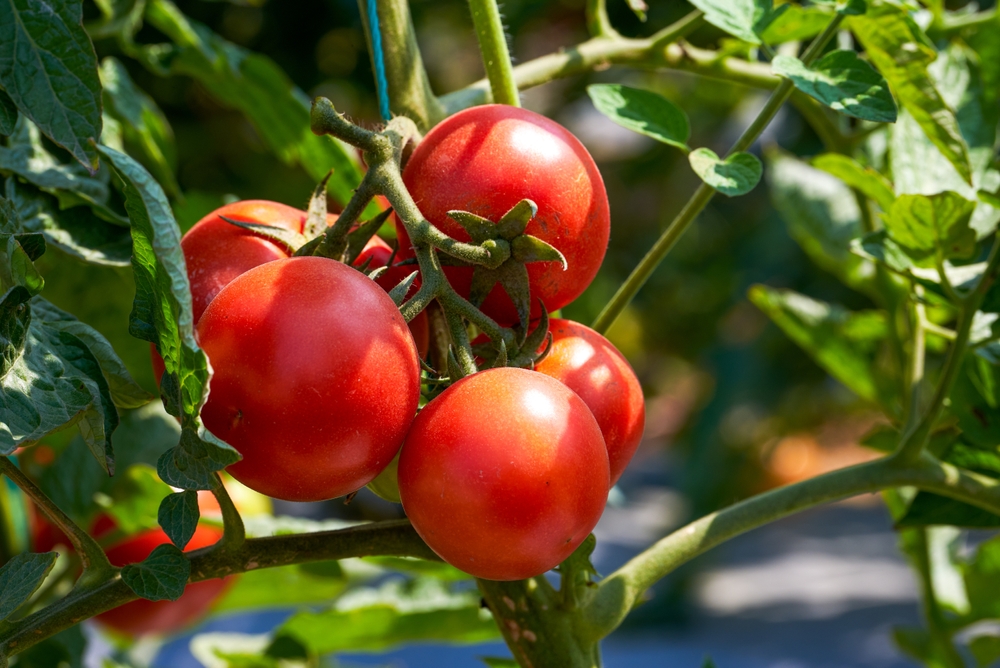
A tomato with yellow shoulders may still be perfectly usable, as intense heat, direct sunlight, and variety genetics can interfere with normal color development near the stem. Consistent watering, healthy foliage, and protection from extreme afternoon heat can help reduce the problem – Shutterstock

A tomato can look perfectly ripe everywhere except the area closest to the stem, where a stubborn patch of yellow, green, or pale orange refuses to join the red party. Those discolored areas, known as yellow shoulders, usually point to a ripening problem caused by intense heat and strong sunlight, not a mysterious disease stalking the garden.

Yellow shoulders rarely make the entire tomato inedible. The affected area may taste firmer, less sweet, or slightly bland, while the rest of the fruit remains perfectly useful for slicing, sandwiches, sauces, and the kind of backyard snacking that mysteriously happens every time someone walks past the plant. A few simple changes can also reduce the problem during the hottest part of the growing season.

The Tomato Is Ripe, Except for the Part Near the Stem

Yellow shoulders appear when the upper portion of a tomato fails to develop its normal ripe color as the fruit matures. In red tomatoes, the shoulders may stay yellow or green while the lower portion turns red, creating a two-tone tomato that looks as if it got dressed in a hurry.

The problem often involves the pigments that give ripe tomatoes their familiar color, particularly lycopene, which develops best under suitable ripening conditions. High temperatures can interfere with that process, especially when the fruit receives intense direct sunlight on already scorching days. The tomato may continue growing and eventually soften, but the shoulder area can remain stubbornly pale or yellow. That explains why a tomato can feel ripe in the hand while still looking oddly unfinished near the stem.

Heat and Sunlight Can Turn the Shoulder Yellow

Tomatoes need sunlight to grow, but the fruit itself does not need to sit under relentless afternoon rays like a tiny red sunbather. When temperatures climb, especially during extended hot weather, the exposed shoulder can heat up enough to disrupt normal color development. The upper part of the fruit often receives particularly intense sunlight because of its position on the plant, making it a common trouble spot.

This creates one of gardening’s more amusing contradictions: the plant needs plenty of light, yet the fruit can suffer when the fruit itself receives too much heat. A healthy canopy can help by shading developing tomatoes during the hottest part of the day without depriving the plant of the light it needs for photosynthesis. That does not mean hacking the plant into a leafy fortress or draping a heavy blanket over it. Instead, consistent watering, sensible pruning, and enough foliage to protect developing fruit can make a meaningful difference.

Some Tomato Varieties Are More Likely to Develop Yellow Shoulders

Genetics also plays a role, which means some varieties simply have a greater tendency to develop yellow shoulders than others. Older varieties and certain heirloom tomatoes can show the problem more often, particularly during hot weather. A gardener may grow the same variety for years with beautiful results, then experience yellow shoulders during one unusually hot summer and wonder whether the tomato plants suddenly developed an attitude.

Variety selection can help reduce the problem in areas where extreme summer heat regularly interferes with ripening. When choosing seeds or transplants, look for varieties known for good color development in warm conditions, while still matching the variety to the local growing season. Gardeners should also remember that yellow shoulders do not automatically mean the variety failed. A tomato can still produce excellent flavor and plenty of usable fruit even when the shoulder color looks a little less than perfect.

Should Tomatoes With Yellow Shoulders Go Straight Into the Compost?

Usually, no, unless the fruit shows other signs of spoilage or disease. A yellow shoulder may taste firmer and less flavorful than the rest of the tomato, but the unaffected portion can still work beautifully in salads, sandwiches, salsa, or cooked dishes. A quick slice tells the real story better than the outside color alone.

If the tomato has a normal texture, no foul odor, and no signs of rot, cut away any unpleasant portion and use the rest promptly. The discoloration itself does not automatically indicate a dangerous problem. Gardeners should take a closer look, however, when yellowing appears alongside soft sunken spots, spreading decay, mold, or unusual lesions, because those symptoms point to a different issue. The tomato’s color may be the headline, but texture and smell provide the important footnotes.

A Little Shade Can Help, but Do Not Turn the Garden Into a Cave

The best approach starts with protecting the plant from extreme heat while keeping the leaves healthy and functional. A strong canopy can naturally shield developing fruit, so aggressive pruning that removes too much foliage may expose tomatoes to more direct heat than necessary. Mulch around the plants can also help conserve soil moisture and reduce the dramatic swings between dry and saturated conditions that stress tomato plants during hot weather.

Consistent watering matters because a plant struggling through repeated drought can have a harder time supporting steady fruit development. Water the soil deeply and consistently rather than relying on frequent shallow splashes that barely reach the root zone. During periods of extreme heat, temporary shade cloth can provide additional protection, especially when the sun becomes intense in the afternoon. The goal involves moderation, not total darkness, because tomatoes still need strong light to produce energy and keep growing.

Timing the Harvest Can Save a Tomato From a Color Standstill

When heat keeps the shoulders from coloring properly, allowing the fruit to remain on the plant indefinitely may not solve the problem. Once a tomato reaches the mature green stage and begins showing signs of ripening, gardeners can sometimes pick it and allow it to finish ripening indoors at room temperature. This approach can protect the fruit from cracking, birds, insects, and additional heat stress while the tomato completes its color change.

The exact timing takes a little practice because an immature tomato may not ripen well after picking. Look for signs that the fruit has reached its mature size and has begun the natural transition toward ripening, rather than plucking tiny green tomatoes simply because the weather forecast looks dramatic. Keep harvested tomatoes out of the refrigerator while they finish ripening, since cold temperatures can damage their flavor and texture. A cool, shaded counter often provides a much better finishing station than a sunny windowsill.

The Yellow Patch Is Usually a Ripening Clue, Not a Tomato Emergency

Yellow shoulders can look alarming, especially when a plant produces beautiful fruit with one oddly colored section near every stem. In most cases, though, the condition reflects a combination of heat, intense sunlight, genetics, and ripening conditions rather than a serious threat to the plant. The smartest response involves checking the whole tomato, improving the plant’s growing conditions, and choosing varieties with the local climate in mind.

A healthy tomato plant does not need perfect fruit to count as a success, and a yellow shoulder does not erase the flavor hiding beneath the surface. Keep the plant watered consistently, avoid excessive pruning during brutal heat, protect fruit from the worst afternoon exposure when necessary, and harvest at the right stage. The next tomato may still show a pale patch, but the garden will have a better chance of producing fruit that looks and tastes closer to the classic red prize.

When the Tomato Looks Half-Ripe, Check the Weather Before Blaming the Plant

Yellow shoulders near the stem usually signal that heat and ripening conditions have interfered with the tomato’s normal color development. The condition often affects appearance and sometimes texture more than overall usability, so a tomato with a yellow shoulder does not automatically belong in the trash. Variety choice, a healthy leaf canopy, consistent soil moisture, and protection from the most intense heat can all help reduce the problem.

The next time a tomato turns red everywhere except the top, resist the urge to declare a garden mystery. Slice it open, inspect the texture, and consider what the weather has been doing lately. Sometimes the tomato is not sick, the plant is not failing, and the garden is not cursed by a vegetable goblin. Sometimes summer simply got too hot for one small section of fruit to finish the job.

What has caused the strangest tomato ripening problem in your garden, and did you find a solution that worked?

You May Also Like…

What Should You Do When Tomato Leaves Curl but Stay Green?

Can Tabletop Tomatoes Produce Enough Fruit to Be Worth the Space?

5 Reasons Tabletop Vegetable Gardens Work Well for Renters

Why Grass Clippings Can Carry Herbicide Into Vegetable Beds

Why Are Your Eggplants Flowering Without Making Fruit?

The post Why Do Tomatoes Develop Yellow Shoulders Near the Stem? appeared first on Frugal Gardening.

Sign up to read this article
Read news from 100's of titles, curated specifically for you.
Already a member? Sign in here
Related Stories
Top stories on inkl right now
One subscription that gives you access to news from hundreds of sites
Already a member? Sign in here
Our Picks
Fourteen days free
Download the app
One app. One membership.
100+ trusted global sources.