Get all your news in one place.
100’s of premium titles.
One app.
Start reading
Everybody Loves Your Money
Brandon Marcus

Why Do Some Employers Delay Paychecks to Trap Workers?

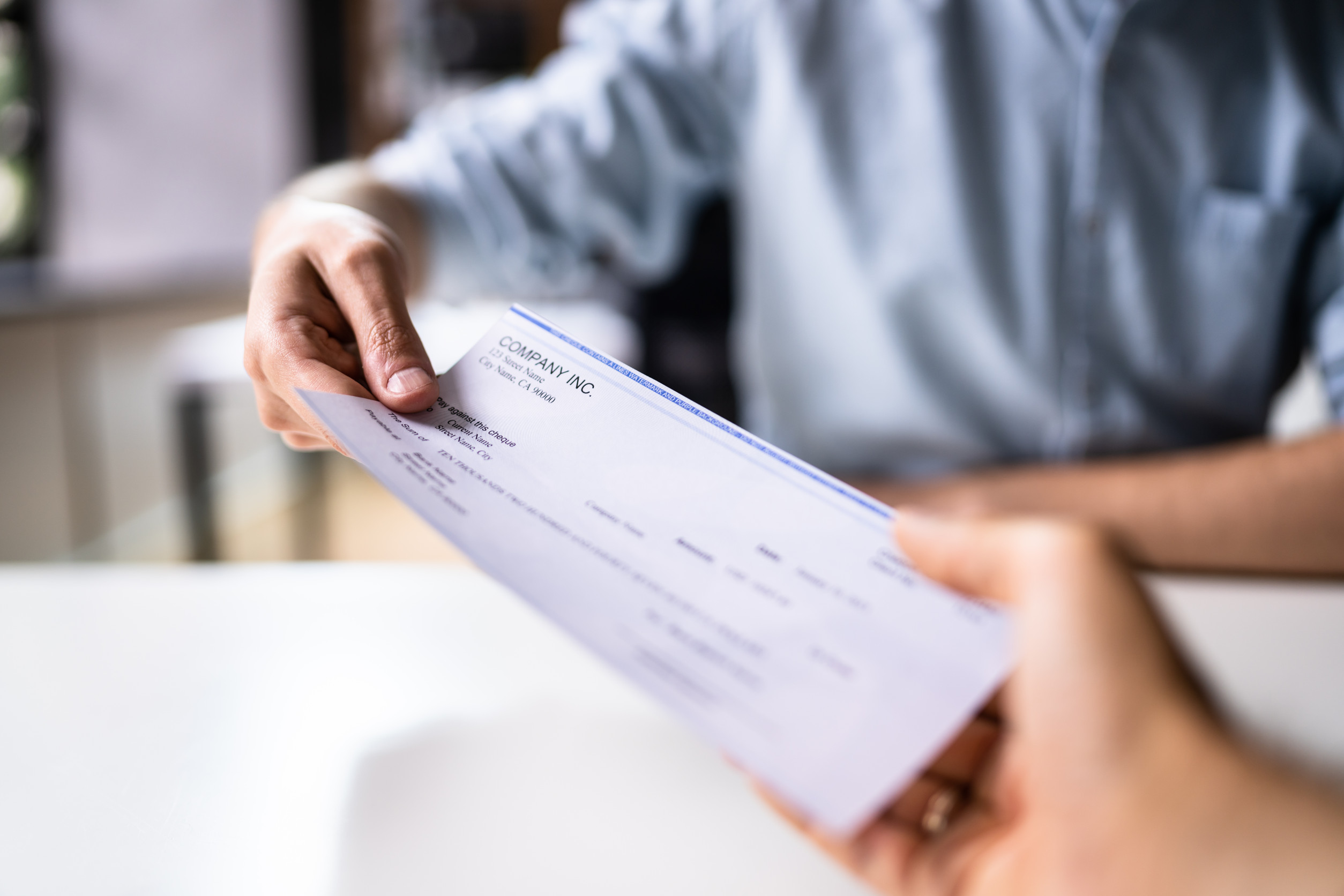
Image Source: 123rf.com

For many workers, payday feels like a finish line—but some employers push it farther away on purpose. A delayed paycheck isn’t always about technical glitches; sometimes it’s a strategy to keep employees tethered. By slowing down payments, employers create dependency that keeps people from walking away.

Workers can’t leave easily if they’re still waiting for wages owed. It’s like dangling a carrot just out of reach, except the carrot is rent money and grocery bills.

The Power of Control

Money isn’t just compensation; it’s leverage. When an employer controls the flow of wages, it also controls the choices workers can make. Employees living paycheck to paycheck feel the squeeze most because even a short delay can derail basic needs. That pressure forces many to stay quiet, compliant, and stuck. The delayed paycheck becomes less about money and more about keeping people under control.

The “Pay Cycle” Excuse

One common tactic is hiding behind complicated payroll schedules. Employers stretch pay cycles or shift dates, making it sound like standard procedure. For workers, though, it means juggling bills and fees while waiting for money already earned. The excuse of “that’s just our system” masks an intentional slowdown. Behind the curtain, it’s about buying time and keeping workers dependent.

Financial Strain Equals Job Glue

A delayed paycheck doesn’t just cause inconvenience; it creates financial quicksand. Rent, utilities, and groceries don’t wait, so workers scramble, borrow, or rack up debt. That stress pushes people to cling to their jobs out of sheer survival. Leaving becomes unthinkable when back pay is still pending. Financial chaos quietly locks workers in place more effectively than any contract.

The Hidden Profit Angle

Delayed wages can create short-term benefits for companies. Holding back millions in payroll for even a week means more cash sitting in the bank earning interest or covering expenses. While workers juggle overdraft fees, companies enjoy a temporary cushion. It’s a win-win for the employer and a lose-lose for the employee. The “float” becomes an invisible profit tool disguised as a scheduling issue.

When Law and Reality Clash

In most places, wage laws clearly say employees must be paid on time. But enforcement is often weak, and workers hesitate to file complaints out of fear. Companies bet on that fear, knowing most won’t risk retaliation. Legal protections only work when employees can safely use them. Delayed paychecks thrive in the gap between law on paper and law in practice.

The Psychological Playbook

Beyond money, delayed paychecks mess with morale. Workers start questioning their value and wondering if their jobs are stable. That uncertainty builds a subtle kind of loyalty born out of fear, not trust. The paycheck delay keeps people guessing and hoping instead of planning and leaving. It’s a mental game that drains confidence and keeps employees in line.

Image Source: 123rf.com

The Cycle of Dependence

Once the delay becomes routine, it sets a trap. Employees end up always one paycheck behind, constantly waiting to catch up. That cycle keeps workers tied to the company no matter how unhappy they are. It turns steady income into a dangling promise instead of a guarantee. Over time, the cycle normalizes what is essentially wage theft in slow motion.

Worker Resistance Rising

Not every employee accepts paycheck delays without a fight. More workers are speaking up, filing complaints, or organizing collectively to demand timely wages. Social media has also amplified stories of delayed pay, putting pressure on companies. While some fear retaliation, the tide is shifting toward accountability. Employers who abuse paycheck timing are finding it harder to stay hidden.

The Bigger Picture of Exploitation

Paycheck delays are rarely isolated—they usually signal deeper workplace issues. Companies that manipulate wages often cut corners elsewhere, from benefits to safety. The paycheck delay becomes one piece of a larger puzzle of exploitation. Spotting this tactic early can reveal much about company culture. Where pay is delayed, trust is already broken.

Time to Break the Cycle

Paychecks aren’t favors—they’re earned rights, and delaying them is more than a nuisance; it’s a control tactic. Employers that play these games turn financial survival into leverage against their own people. The only way out is through awareness, pressure, and accountability. Workers deserve pay that’s timely, reliable, and free of strings.

What’s your take on this? Share your thoughts or experiences in the comments below.

You May Also Like…

The post Why Do Some Employers Delay Paychecks to Trap Workers? appeared first on Everybody Loves Your Money.

Sign up to read this article
Read news from 100’s of titles, curated specifically for you.
Already a member? Sign in here
Related Stories
Top stories on inkl right now
Our Picks
Fourteen days free
Download the app
One app. One membership.
100+ trusted global sources.