
Get all your news in one place.
100’s of premium titles.
One app.
Start reading
Livingetc
Livingetc
Maya Glantz

Why Do My Walls Feel Cold? Experts Reveal the 3 Main Culprits, and What You Need to Do to Fix Them

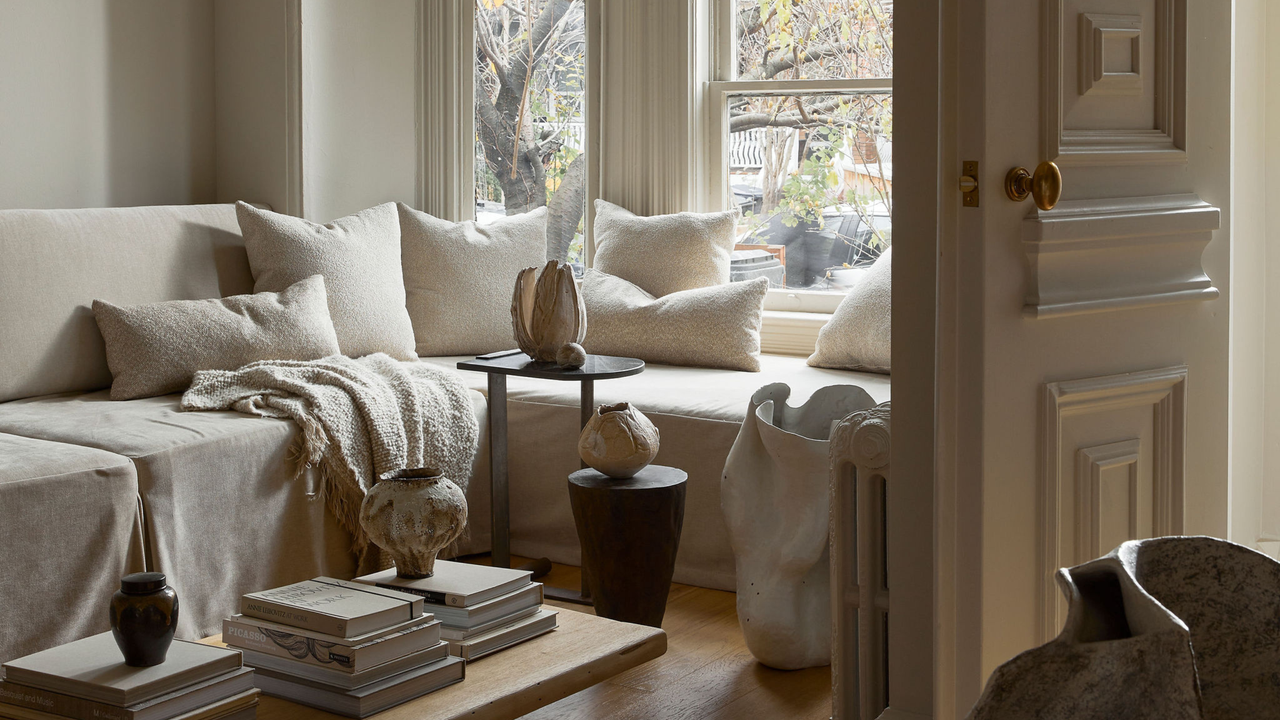
All white living room in a victorian property with lots of ceramic work around the sitting area .

Any more than five minutes out in these frosty conditions is enough to have us longing to be back in our toasty homes. But what happens when your home isn't quite as warm and comforting as you'd like it to be? Or, even more troublingly, when your walls seem to be just as cold as you are.

The issue of icy walls is more common than you might think, but it extends far beyond simply wanting to make a cold room feel warmer; over time, it can result in some serious problems. Dampness and mold thrive in cold weather, so if your walls feel cold to the touch, it's an issue that needs to be handled as soon as possible.
I turned to the experts to break down what causes walls to feel cold, the impact it can have, and, more importantly, how to fix it.

1. Poor Insulation

This issue is particularly common in the UK due to the high concentration of period properties. (Image credit: Dean Hearne. Design: OWN London)

The primary reason for cold interior walls often comes down to improper insulation in your home. In fact, studies show that 35% of heat escapes through uninsulated walls.

This is a common issue in older properties, especially those from the Edwardian, Victorian, or Georgian eras. Many homes built before the 70s in the UK were constructed using traditional building methods, with solid walls and single-glazed windows, both of which are known for their inability to retain heat.

"The most effective solution is to improve the external façade of the home," advises Lisa Grosse of Cedral. "Upgrading insulation and choosing durable, weather-resistant materials can significantly reduce heat loss."

The only way to fix this issue is by adding insulation to your walls, which, although it can be an expensive undertaking, will be effective and save you money in the long run.

2. Damp Exterior Walls

Don't neglect the exterior of your home when considering heating options. (Image credit: Lick)

"We all know wet clothes make us lose heat quicker than dry clothes; the same happens for the walls of your home," explains Jack Reading from Emperor Paint. "Moisture creates a thermal bridge that pulls heat out of the home more quickly."

Your exterior walls will have a direct impact on the strength and durability of the interior walls in your home; if your walls are feeling cold, it could be due to excess moisture coming through from the outside.

"One of the most overlooked reasons homes feel harder to heat is how wet their exterior walls are," says Jack. "Around a quarter to a third of heat loss in a typical UK home happens through the walls, so if those walls are regularly wet, a significant amount of warmth is lost unnecessarily."

This is a much-forgotten truth, oft overlooked in favor of other quick fixes or interior solutions. As Jack says, "When it comes to heating homes, decisions tend to focus on heat upgrades or insulation, but keeping exterior walls dry is a simple way to help those upgrades work best. Drier walls hold heat better, feel more comfortable, and support a healthier home overall."

3. Hidden Cracks and Gaps

Again, these types of cracks and gaps are more common in older properties. (Image credit: Studio Hahn. Design: Studio Calvagno )

Another reason your home may be feeling suspiciously chilly? There's a chance your walls are harboring some hidden cracks and gaps — letting the cold air in, as well as offering a route for the heat to leave through.

As Ethan Heine from Suntrek Solar explains, "Air leaks at windows, doors, and electrical outlets cause drafts which cool the surface area of the walls adjacent to these areas." While cracks and holes can occur at other spots across your home, these areas are the most common.

To help solve this issue, Ethan recommends, "Sealing air leaks using weather stripping [like this from Amazon] and caulk [which you can find on Amazon, too] to prevent drafty areas from developing around windows, doors, and electrical outlets." Resealing around your windows and doors is an easy way to make your house feel warmer.

Sometimes, it's best to start small and then work your way up to tackling the big issues. These tips on how to heat the space, not the whole home, are a good place to begin.

Sign up to read this article
Read news from 100’s of titles, curated specifically for you.
Already a member? Sign in here
Related Stories
Top stories on inkl right now
One subscription that gives you access to news from hundreds of sites
Already a member? Sign in here
Our Picks
Fourteen days free
Download the app
One app. One membership.
100+ trusted global sources.