
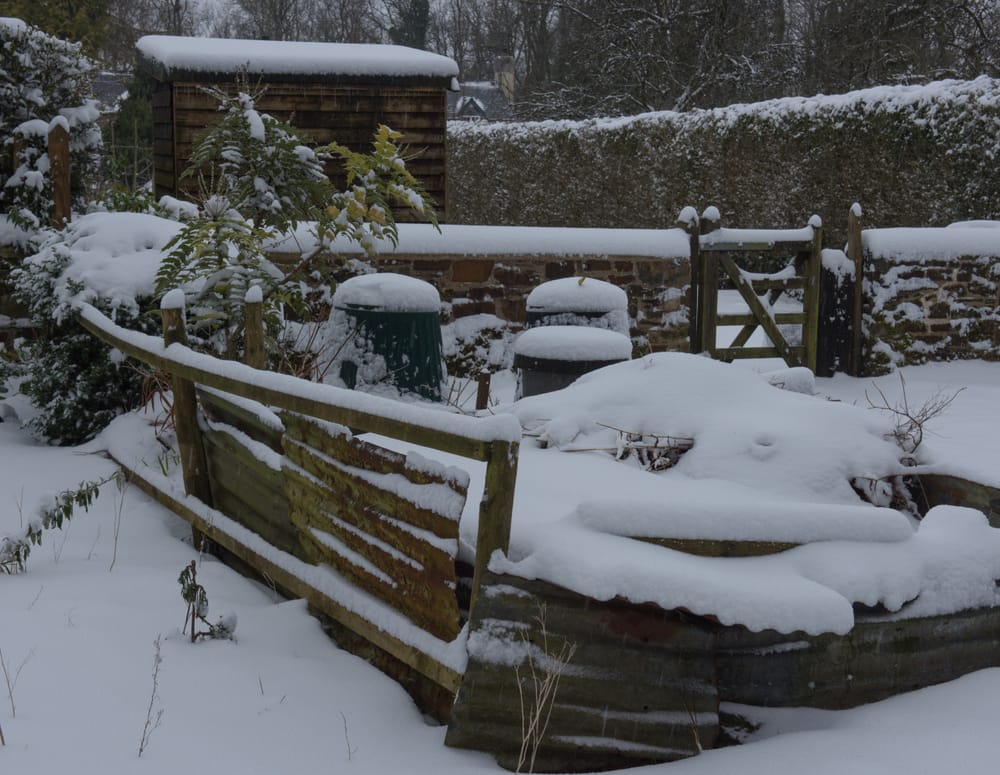
The first snowfall may feel magical, but if your compost pile could talk, it would be screaming, “Cover me!” the moment those icy flakes start landing. Snow might look soft and harmless, but to an exposed compost bin, it’s basically an uninvited guest barging in with a frozen handshake and a plan to halt all decomposition. Anyone who’s ever lifted a compost lid in winter and discovered a sad, frosty, half-frozen mess knows exactly how frustrating it can be.
Composting doesn’t stop just because it’s cold outside—it only slows down when you let nature freeze the whole operation. That’s why understanding why compost needs to be covered before snow arrives can save you time, trouble, and a whole lot of gross surprises in the spring.