
Get all your news in one place.
100’s of premium titles.
One app.
Start reading
GOBankingRates
GOBankingRates
Sarah Li Cain

Why Catch-Up Contributions Might Not Lower Your Taxes Anymore

GaryPhoto / Getty Images

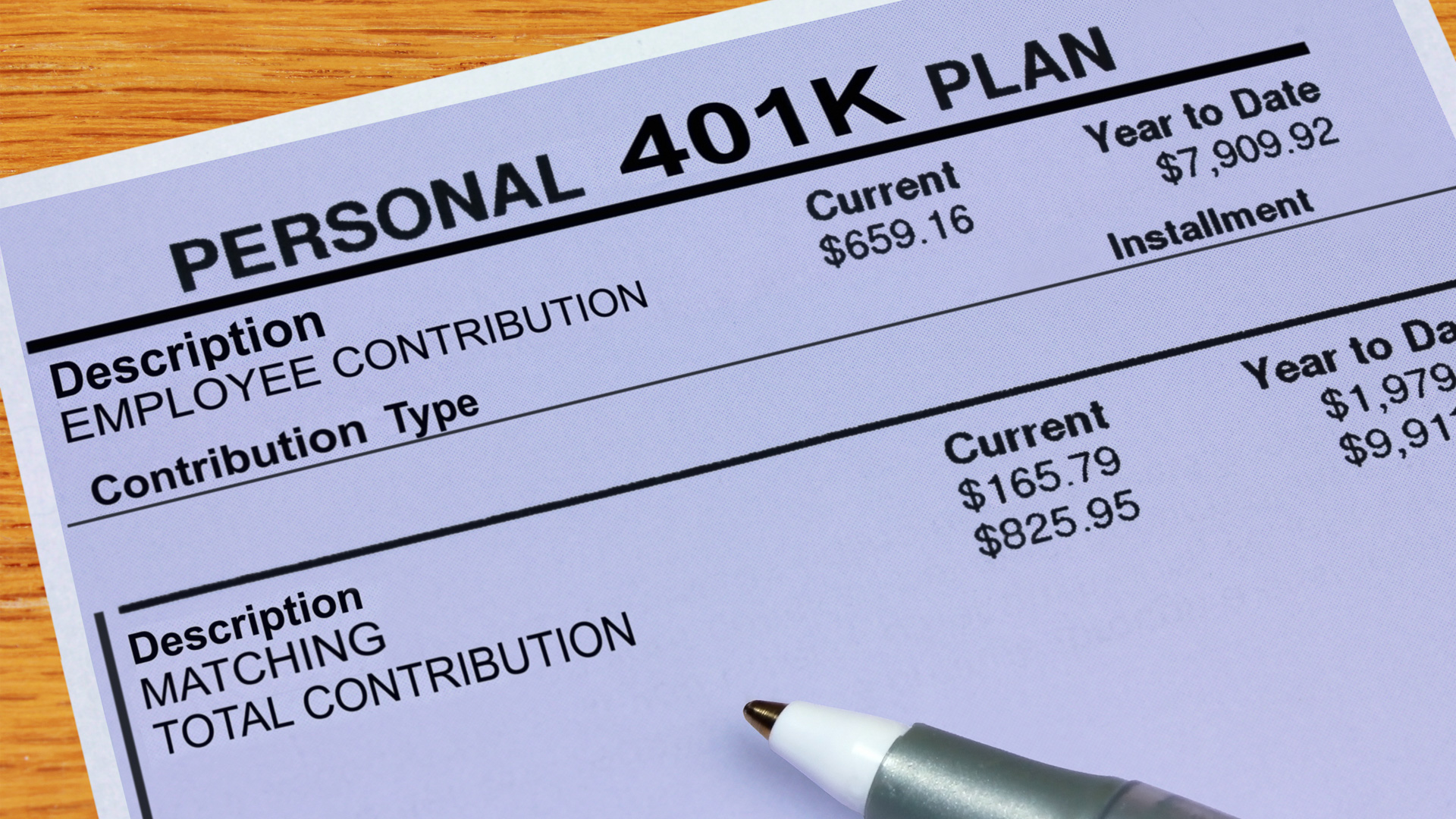
For years, workers over 50 have been taking advantage of catch up contributions to help shrink their tax bill.

It seems simple enough, where you contribute more to your 401(k) and lower your taxable income. But starting this year, that strategy may no longer work for higher earners.

What’s Changed

Under Secure 2.0, workers aged 50 and older whose wages in the prior year exceed $150,000 must make catch up contributions as after tax or Roth contributions. Per the IRS, this income threshold (not your adjusted gross income) only applies for employee sponsored accounts, including 401(k), 403(b) and 457(b). 

Even though this provision was supposed to take effect in 2024, permission was granted by the IRS to have some transition. Meaning, 2026 is the first year that many workers will see this come into effect.

Trending Now: I’m a Financial Expert: This is the No. 1 Mistake Americans Make With Their Roth IRAs

Check Out: 5 Clever Ways Retirees Are Earning Up To $1K per Month From Home

Why Your Tax Bill May Not Shrink

The big change from this provision is that Roth contributions don’t reduce your current taxable income like pre-tax contributions do. 

Say, you’re earning in your peak years and making catch up contributions but make over the income threshold, those contributions still count as taxable income. This means the extra $8,000 or $11,250 for ages 60 to 63 (the catch up limit for 2026) can be taxed now. 

This change can ripple into other areas of your finances. Taxable income can influence factors like Medicare IRMAA surcharges and  taxation of Social Security benefits. 

Many workers may have used catch up contributions to manage these thresholds, but higher earners can no longer use this strategy. 

Who Should Pay Attention Now

If you’ve relied on catch up contributions to reduce taxable income and are teetering on exceeding the income threshold, it’s important to look at what your current strategy is and change it if need be.

That’s not to say Roth contributions are “bad,” since it can offer qualifying tax-free withdrawals and eliminate required minimum distributions (RMDs).  Rather, it might not help your goals now, especially if your primary goal is to lower your tax bill now. 

It’s worth reviewing your contribution strategy to see what you need to do if you’re looking to lower your taxable income. 

More From GoBankingRates

This article originally appeared on GOBankingRates.com: Why Catch-Up Contributions Might Not Lower Your Taxes Anymore

Sign up to read this article
Read news from 100’s of titles, curated specifically for you.
Already a member? Sign in here
Related Stories
Top stories on inkl right now
One subscription that gives you access to news from hundreds of sites
Already a member? Sign in here
Our Picks
Fourteen days free
Download the app
One app. One membership.
100+ trusted global sources.