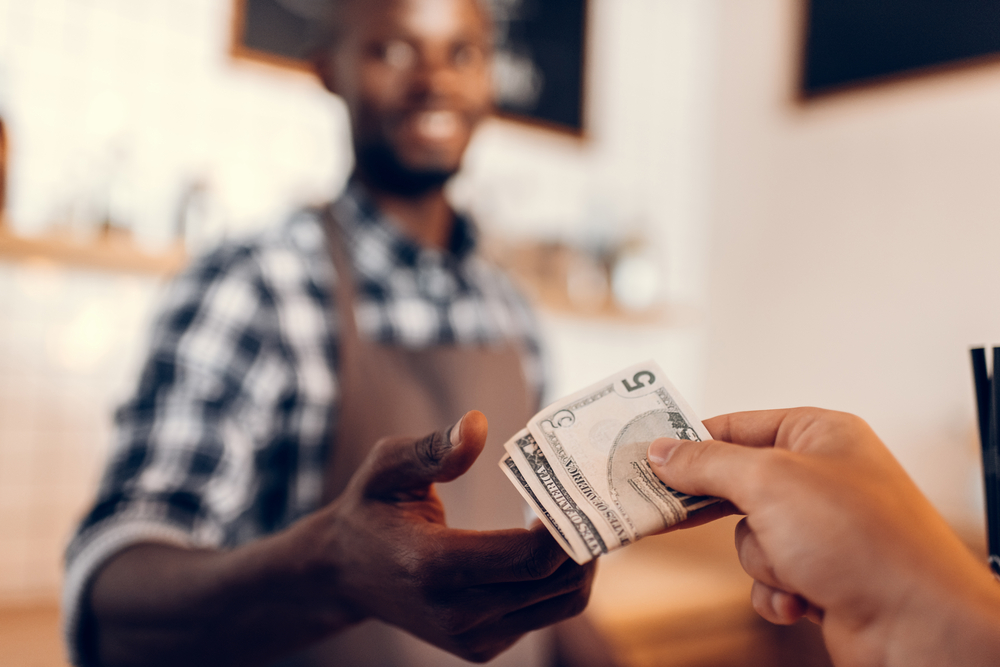
Cash payments once felt permanent in grocery lanes, a fixture as familiar as the conveyor belt. But the shift away from paper bills is accelerating, and the reasons run deeper than surface-level convenience. Stores are rethinking old systems, and shoppers are steering behavior in ways that reshape checkout culture. The change affects how people budget, how fast they move through lines, and who gets left behind. Cash payments are fading, and the silence around that disappearance matters.
1. Digital Systems Now Move Faster Than Cash
Grocery chains built their checkout lanes for scale, and digital tools now outpace anything cash payments can match. Card taps finish in seconds. Mobile wallets finish even faster. Each transaction shaved down helps lines move, and stores engineered their lanes to reward that speed.
Cash slows the process. Change must be counted. Bills must be sorted. Registers jam. And every second counts when a rush crowd forms. Cash payments create friction that digital systems eliminate, and the difference grows obvious when the line feels tense.
2. Fewer Lanes Use Human Cashiers
The cashier’s station once anchored the store. Now those stations seem like relics squeezed into shrinking corners. Self-checkout spreads across grocery floors with quiet persistence. Machines handle scanning and payment steps with predictable repetition, and most shoppers adapt because the alternative disappears.
Self-checkout favors cards. The hardware reads them cleanly. The interface assumes them. Cash payments still fit the system, but they require extra steps and stalled motion that undermine the purpose of a rapid lane. As stores focus on automation, cash becomes an afterthought rather than a priority.
3. Security Pushes Stores Toward Electronic Transactions
Grocers handle large cash volumes, and physical cash carries risk. Bills can be stolen. Drawers can be short. Nightly transfers create liability the moment they leave the register. Electronic payments avoid those hazards, and the difference shapes corporate policy in quiet ways.
Cash payments complicate audits, while digital transactions leave a clean record with precise timestamps. That clarity helps stores prevent loss and track patterns. Even small improvements matter when multiplied across thousands of lanes. The safer option often becomes the chosen one.
4. Shoppers Carry Less Cash Than Ever
The wallet itself changed. Many people carry a phone, a card, maybe a driver’s license. Bills no longer ride along by default. And when shoppers approach the checkout without cash, the store adjusts by prioritizing the payment method most often used.
For younger customers, cash payments rarely come up. Their spending lives run through apps and banking dashboards. Grocers reflect that shift by stocking equipment that matches habits rather than nostalgia. And once a habit reaches a tipping point, the old method fades without protest.
5. Grocery Apps Push People Into Digital Checkout
Store apps drive loyalty programs, clipped coupons, and digital-only discounts that integrate directly with electronic payments. The system rewards shoppers who pay on a device, not by pulling bills from a wallet. It feels subtle, but incentives shape behavior as effectively as rules.
Cash payments cannot sync with these digital platforms. They do not track store rewards. They cannot pull stored coupons. They cannot unlock targeted offers. When the most valuable deals require electronic transactions, cash becomes a second-tier option in a space built for speed and data.
6. Change Shortages and Costly Handling
Coin shortages exposed how fragile the cash supply chain can be. Stores scrambled for quarters and dimes and, during the worst periods, limited cash payments. That disruption never fully reset. The experience forced grocers to reckon with the cost of maintaining physical money.
Counting, storing, and transporting cash requires staff time and armored services. Those costs add up. Cash payments make logistics harder, not easier, and the pressure to streamline operations leaves little room for methods that slow the system.
7. Theft Prevention Systems Favor Digital Trails
Modern loss-prevention strategies operate on analytics, pattern recognition, and transaction history. Digital trails expose irregular activity. Cash payments do not. That absence of detail limits how effectively stores can monitor behavior near the register, and it opens windows for fraud tied to returns and voids.
When a store depends on data, it gravitates toward transactions that generate it. Electronic payments build a record that strengthens accountability. Cash payments create blind spots, and blind spots rarely survive modernization.
8. Customer Trust Rises With Electronic Payments
Shoppers want receipts stored in apps. They want alerts for every charge. They want a bank record they can review later without digging through paper. Electronic systems give them that security, and the reassurance becomes a habit that follows them into the grocery lane.
Cash payments give no such trail. When an issue arises, resolution becomes slower and often more complicated. As customer service systems become increasingly digital, the simplest path becomes digital.
Where Cash Goes From Here
Cash payments will not vanish entirely from grocery lanes, but the infrastructure supporting them shrinks each year. The shift happens through subtle choices: fewer staffed lanes, more mobile integrations, quieter policy updates that nudge customers away from bills and coins. The trend continues because it aligns with efficiency, cost control, and evolving shopper behavior.
Some people still rely on cash. Others prefer it for privacy or budgeting. Their presence keeps the method alive, even as the broader system moves forward without pausing. How do you feel about cash slowly disappearing from your grocery store?
What to Read Next…
- Whos Working The Register 5 Reasons There Are No Cashiers Available At Your Grocery Store
- 5 Reasons Cashiers Are Disappearing
- 5 Stores That Are Scamming You At Self Checkout And Where To Shop Instead
- 10 Reasons Why Self Checkout Machines Are Costing You More
- Self Checkout Rant Are Grocery Stores Making You Work For Free
The post Why Cash Payments Are Quietly Disappearing From Grocery Lanes appeared first on Grocery Coupon Guide.