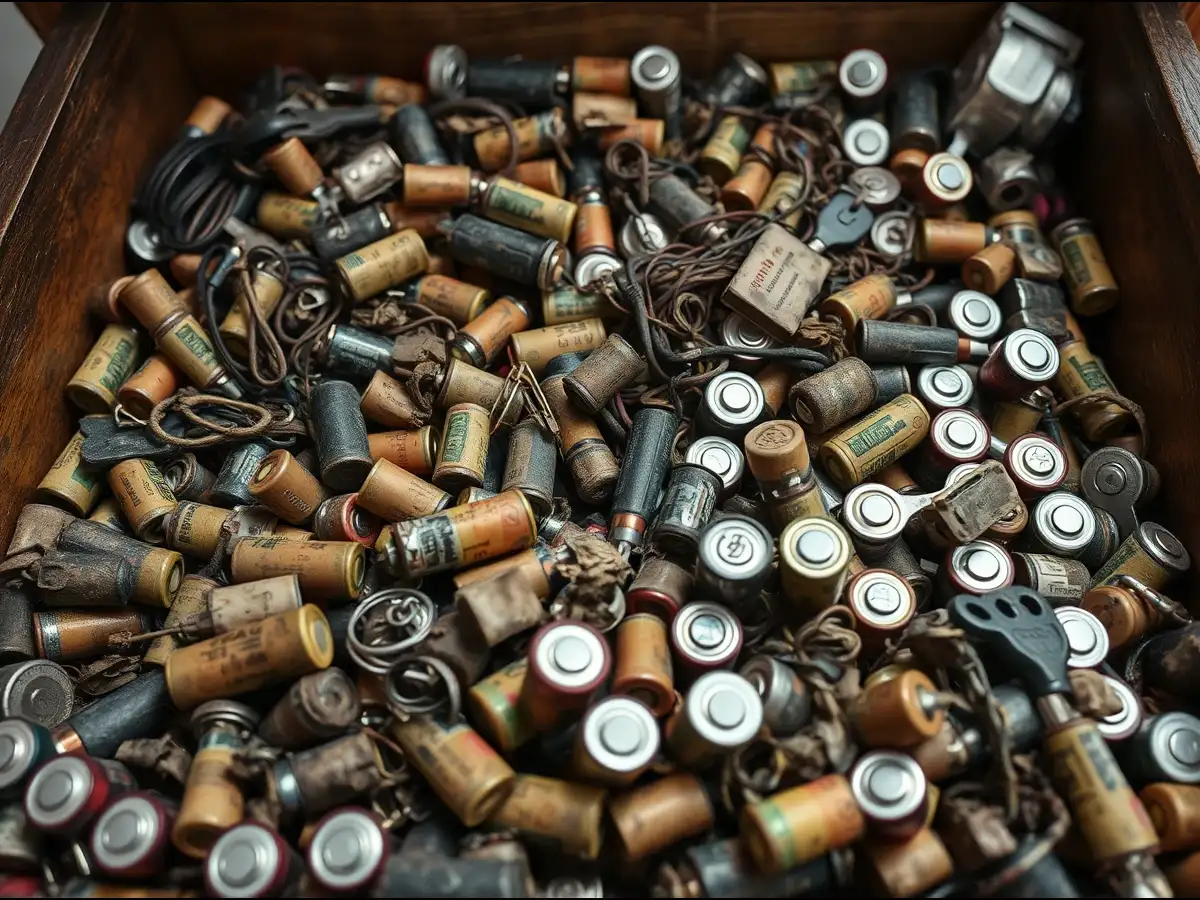
Imagine standing in front of an open household drawer, staring at a chaotic pile of loose, dead batteries. It is a common scene in many American homes, raising a perplexing question: what should we actually do with batteries once they stop working? Why do so many used batteries end up sitting forgotten in household drawers or tossed into the regular trash? What risks do the toxic heavy metals inside them pose to our local water supplies when buried in landfills? And how can recycling these materials help protect both global ecosystems and critical mineral supplies?
As the world transitions toward cleaner energy, discussions around batteries are gathering pace, powering everything from TV remotes and cellphones to electric vehicles. Whether batteries are single-use, rechargeable, or built for vehicles, they are fully recyclable, though safely disposing of them requires specific steps rather than throwing them into a standard curbside bin.