
Get all your news in one place.
100’s of premium titles.
One app.
Start reading
Grocery Coupon Guide
Shay Huntley

Why Bacon Packages Keep Getting Smaller While Prices Stay the Same

For decades, the standard package of bacon in a grocery store was one pound, or 16 ounces. Today, you are much more likely to see a package that is only 12. This is a classic example of “shrinkflation,” where the company gives you less product for the same price. This change is not a random decision. It is a direct response to several significant factors in the pork industry and the retail sector. The 16-ounce bacon package is a victim of these new economic pressures.
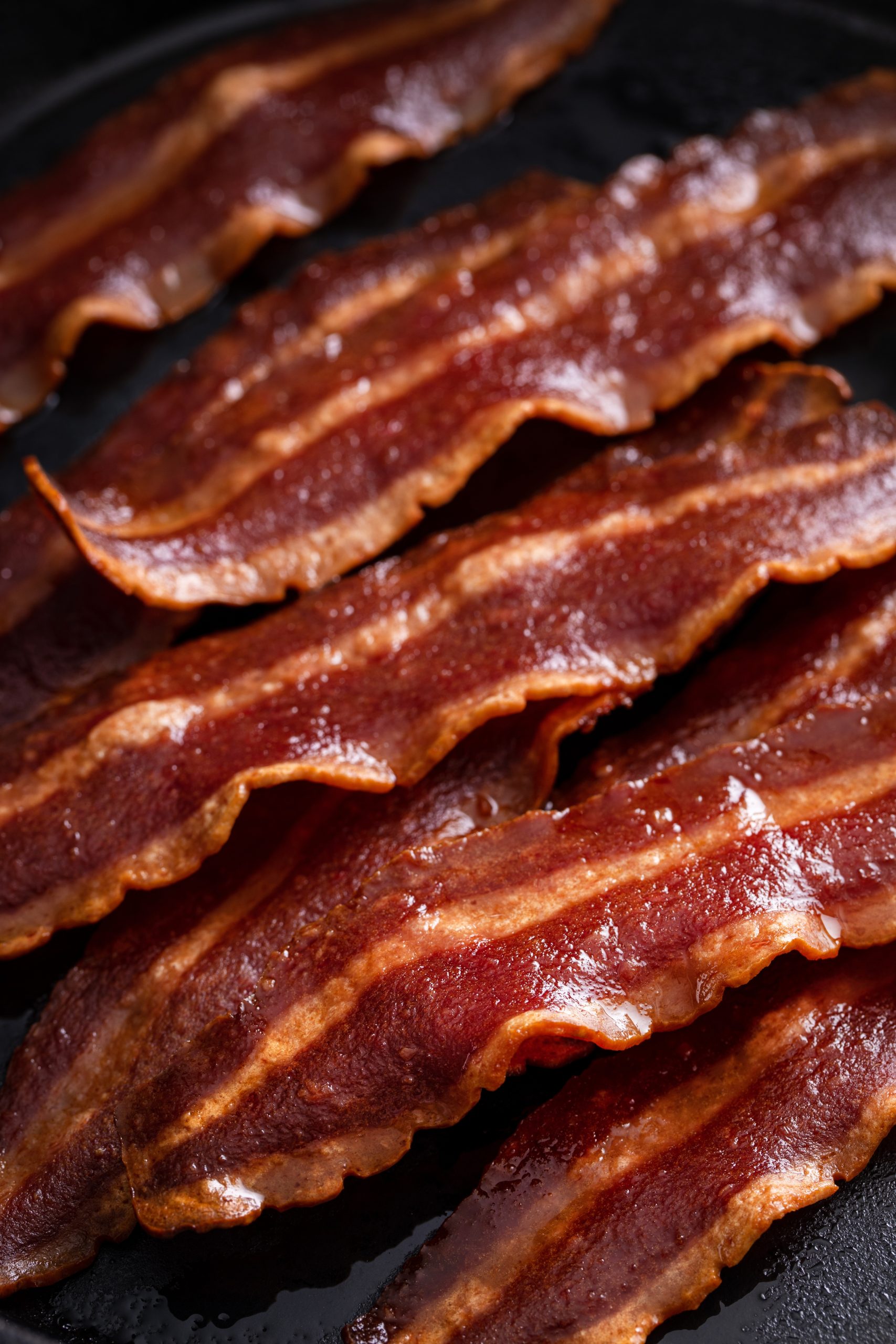

Image source: shutterstock.com

1. The Rising Cost of the Pork Industry

The pork industry has been hit with a wave of major cost increases. The price of corn and soy, which are the main ingredients in pig feed, has been very high. Labor shortages at processing plants have also driven up wages. These rising costs make it much more expensive to produce bacon. The companies must then pass these costs on to the consumer.

2. Volatile Pork Belly Prices

Bacon is made from a specific cut of the pig known as the pork belly. The price of pork belly is extremely volatile on the commodity market. This means that a bacon producer has a very unpredictable supply cost. To protect their profits from these wild price swings, they have a choice. They can either raise the price of the 16-ounce package or they can shrink the package to 12 ounces.

3. Volatility in the Feed and Labor Market

The cost of raising the pigs themselves has also increased dramatically. The price of corn and soybeans, which are the main ingredients in pig feed, is very high and unpredictable. This makes it much more expensive for farmers to raise their hogs. At the same time, the pork processing industry has been facing a persistent labor shortage. This has forced them to increase wages to attract and retain workers. All of these new costs are passed down the supply chain and eventually paid by the consumer at the grocery store.

4. The Power of Psychological Pricing

Companies know that consumers are sensitive to price increases. A shopper will immediately notice if their favorite bacon has gone up by a dollar. However, they are much less likely to notice if the package has quietly shrunk from 16 to 12 ounces. Shrinking the package is a much stealthier way to increase the price per ounce without alarming the customer.

5. Price Variation Between Stores

The price of bacon can also vary wildly from one store to another. A high-end grocer, like a Whole Foods, will often charge a premium for its thick-cut, artisanal bacon. A discount chain, like Aldi or Walmart, will use its private-label bacon as a “loss leader.” They will sell it at a very low price to drive traffic to their stores. This creates a confusing and very wide range of prices for the same basic product.

Is the 16-Ounce Package Gone Forever?

The 12-ounce package has now become the new standard for most major bacon brands. It is very unlikely that we will ever see the 16-ounce package return as the default option. The economic pressures on the pork industry are not going away. The 16-ounce package is now a “premium” or a “value” offering. It is no longer the basic product. Some brands have even started to introduce 10-ounce or 8-ounce packages. This suggests that the trend of shrinkage may continue.

Have you noticed the shrinking size of your bacon package? How has this “shrinkflation” affected your trust in food brands? Let us know!

What to Read Next

The post Why Bacon Packages Keep Getting Smaller While Prices Stay the Same appeared first on Grocery Coupon Guide.

Sign up to read this article
Read news from 100’s of titles, curated specifically for you.
Already a member? Sign in here
Related Stories
Top stories on inkl right now
One subscription that gives you access to news from hundreds of sites
Already a member? Sign in here
Our Picks
Fourteen days free
Download the app
One app. One membership.
100+ trusted global sources.