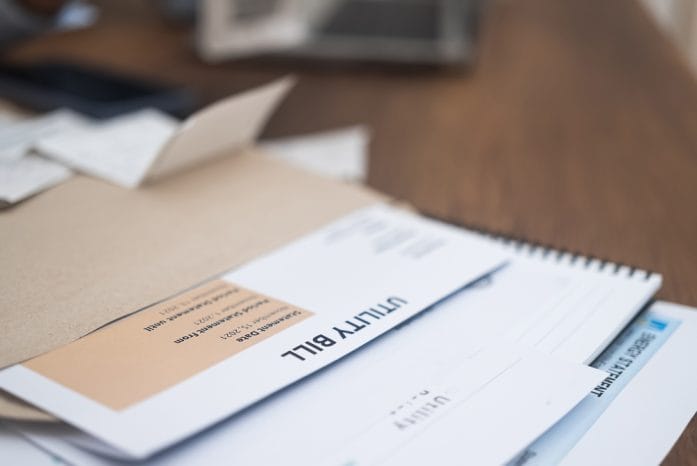
If your latest electricity or water bill made you do a double-take, you’re not alone. Across the country, households are feeling the pinch as essential services start demanding more from our wallets. It’s not just about leaving lights on or taking long showers anymore—there’s a tangle of factors at play that’s driving costs higher, and it’s changing the way people think about their monthly spending.
Suddenly, what once seemed like a predictable expense is now a moving target, and everyone from renters to homeowners is scrambling to make sense of the numbers.
Rising Energy Costs Are Hitting Harder Than Ever
Energy prices have been on an upward trajectory for years, but recent shifts in global supply and demand have accelerated the climb. Natural gas, oil, and coal markets fluctuate due to international tensions, weather extremes, and policy changes, and those shifts don’t just stay on paper—they show up in your home heating and electricity bills. Renewable energy adoption is growing, which is excellent for the planet, but transitioning infrastructure can be expensive, and some of those costs are trickling down to consumers.
Add in inflation, and suddenly the energy bill that once felt manageable can turn into a monthly stressor. People are now paying closer attention to the rates they’re charged, the efficiency of their appliances, and even the timing of when they use energy, trying to avoid peak pricing that can double the cost of a single evening of laundry and cooking.
Water Bills Are Increasing In Many Cities
Water isn’t just wet—it’s getting pricey. Municipalities are raising water rates to cover aging infrastructure, ensure safe drinking water, and manage limited water supplies amid droughts and growing populations. In some areas, you might notice a jump in sewer or wastewater fees that come alongside your regular water charges, adding another layer to your monthly utility obligations. The reality is that maintaining pipes, treatment plants, and water quality isn’t cheap, and utilities are passing some of those costs to residents.
Households that used to see water as a trivial part of their budget are discovering it can actually rival entertainment, groceries, or even transportation expenses if usage isn’t monitored carefully. Suddenly, conserving water isn’t just an environmental choice—it’s a practical way to protect your bank account.
Weather And Climate Change Are Making Bills Less Predictable
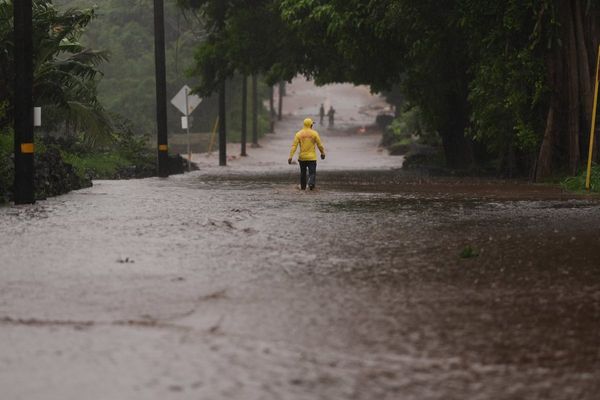
Seasons used to follow a predictable rhythm, but climate shifts are creating more extremes, and that directly affects utility bills. Scorching summers and bitter winters mean heating and cooling systems are running longer, driving up energy consumption. Storms and floods can damage power lines and water infrastructure, leading to temporary rate hikes or emergency repairs funded by customers.
Even the timing of seasonal weather impacts how much electricity is used, and the variability means households can no longer budget with the same level of certainty as in the past. People are beginning to notice that what once felt like a simple routine bill is now a wild card in their monthly financial planning.

Technology And Modern Lifestyles Are Increasing Consumption
We all love our gadgets, smart devices, and streaming services, but every plugged-in convenience adds to the energy load. Homes are packed with electronics that run 24/7, sometimes in “standby” mode, quietly consuming electricity. Even energy-efficient appliances don’t fully offset the sheer number of devices modern families use. Heating, cooling, and refrigeration demand rises as living spaces expand and people spend more time indoors. Lifestyle changes, like working from home or homeschooling, further increase electricity usage. What may have been a small, predictable bill a decade ago now reflects a more connected, tech-heavy lifestyle—and it can be a shock to see the sum of it all at the end of the month.
Inflation And Policy Decisions Shape How Much We Pay
Utility bills are not immune to the broader economic environment. Inflation affects the cost of fuel, chemicals, maintenance, and labor, which translates to higher monthly bills for customers. Additionally, government regulations and policies can introduce new fees or rate adjustments to encourage conservation, fund renewable projects, or address environmental concerns. Sometimes these measures make sense for the long term but create short-term strain on household budgets. Consumers are learning that utility bills are not just about consumption—they reflect a complex web of policy, economics, and infrastructure investment. Navigating this landscape means paying attention, asking questions, and sometimes making lifestyle adjustments to stay ahead of rising costs.
Simple Steps Can Make A Big Difference
While the numbers can be intimidating, small changes often add up to meaningful savings. Adjusting thermostats by a few degrees, fixing leaks, and monitoring daily water and energy use can help households regain some control. Energy-efficient appliances, low-flow showerheads, and LED lighting may require an initial investment but can significantly reduce monthly bills over time. Even behavioral changes, like turning off lights when leaving a room or scheduling laundry during off-peak hours, matter.
The key is understanding patterns and costs, not just hoping bills will remain the same month after month. Knowledge, awareness, and proactive planning can turn what feels like an uncontrollable financial burden into a manageable, even empowering, routine.
What’s Your Utility Story?
Utility bills are becoming more than just a line item—they’re shaping how households budget, plan, and even think about daily routines. Rising costs, unpredictable weather, modern lifestyles, and policy shifts all contribute to bills that are increasingly hard to ignore. Everyone experiences these changes differently, and the strategies to cope can be as unique as your home.
Have you noticed your bills creeping up? Tried a clever trick to save on energy or water? Jump into the conversation below. Your story might help someone else see a new way to tackle the challenge.
You May Also Like…
Why Do Utility Bills Keep Rising Even When Usage Stays the Same
Why Do People Feel Less Financially Secure Than Before
Expense Overflow: 4 Retirement Bills That Catch People Off Guard
Why Does Financial Anxiety Show Up Even When Bills Are Paid
Why Are Emergency Funds Harder to Rebuild Than People Expect
The post Why Are Utility Bills Becoming a Bigger Budget Problem appeared first on The Free Financial Advisor.