
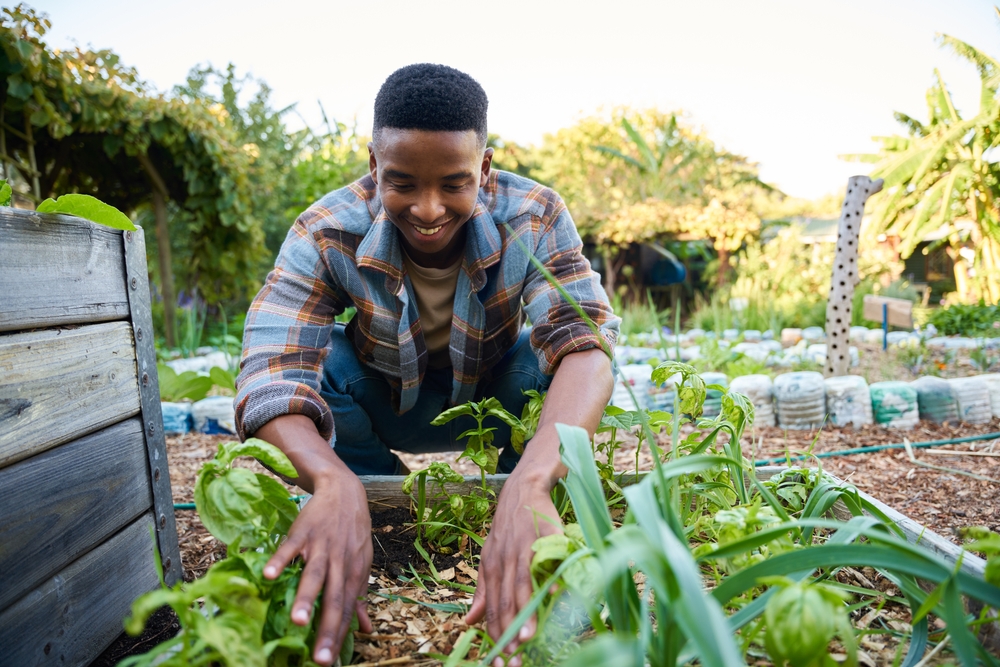
Gardens have started working a little harder these days. A single plant no longer earns praise just because it looks pretty. Many gardeners now look for varieties that can decorate a flower bed, flavor dinner, feed pollinators, and even help neighboring plants all at the same time.
That shift has changed the way people shop for seeds and nursery plants. Instead of filling every corner with ornamental flowers or rows of vegetables, gardeners increasingly mix beauty with purpose. The result feels more natural, saves space, stretches every gardening dollar, and creates a landscape that delivers something useful from spring through fall.

Every Plant Needs to Earn Its Place
Garden space rarely feels large enough. Even people with generous yards eventually discover another vegetable they want to grow or another flower that catches the eye at the garden center. Multi-purpose plants solve that problem by performing several jobs without demanding extra room.
Calendula offers a perfect example. Its bright orange and yellow blooms brighten borders for months, the edible petals add cheerful color to salads, and the flowers attract beneficial insects that help control garden pests. A gardener who plants calendula receives beauty, pollinator support, and edible blossoms from one simple purchase.
The same idea applies to herbs. Rosemary creates an attractive evergreen shrub in warmer climates, flavors roasted vegetables and meats, produces fragrant foliage, and offers nectar-rich flowers that bees eagerly visit. Instead of planting a decorative shrub beside a culinary herb, one plant fills both roles beautifully.
Many gardeners also appreciate the financial value. A packet of seeds or a young transplant delivers much greater value when every part of the plant contributes something useful throughout the growing season. That practical mindset continues to gain momentum because gardens today often reflect both creativity and common sense. Plants that wear several hats simply make gardening feel more rewarding.
Edible Landscaping Has Become More Appealing
The old idea that vegetable gardens belong behind the house continues to fade. Attractive edible plants now appear in front yards, mixed borders, and even decorative containers because they combine good looks with a generous harvest.
Rainbow Swiss chard catches attention with bright red, yellow, and orange stems while producing nutritious leaves for months. Purple basil adds dramatic foliage that rivals ornamental annuals, yet every harvest supplies fresh ingredients for pesto, salads, or sandwiches. Nasturtiums spill beautifully from containers, while their peppery flowers and leaves brighten summer meals.
Fruit-bearing shrubs also fit this trend. Blueberries produce delicate spring blossoms, attractive summer fruit, colorful fall foliage, and graceful winter branches. One shrub changes with every season while providing fresh berries that rarely survive long before someone picks them.
Gardeners who enjoy entertaining often appreciate these combinations even more. Guests admire the colorful landscape, then discover those flowers or herbs also belong on the dinner plate. That surprise sparks conversations almost as quickly as it inspires new planting ideas. This blend of beauty and function makes gardens feel less divided between ornamental and productive spaces. Every corner starts contributing something valuable without sacrificing visual appeal.
Pollinators and Wildlife Benefit Too
A productive garden depends on far more than good soil and sunshine. Bees, butterflies, hummingbirds, ladybugs, and countless other helpful creatures turn an ordinary yard into a busy ecosystem that supports healthy plants throughout the season.
Many multi-purpose plants naturally attract these valuable visitors. Bee balm produces brilliant red, pink, or purple flowers while supplying fragrant leaves that people often brew into herbal tea. Borage displays cheerful blue blooms that pollinators love, and the cucumber-flavored flowers also garnish summer drinks and salads.
Fennel creates another interesting combination. The feathery foliage adds texture to flower beds, the leaves and seeds flavor countless recipes, and the plant serves as an important host for black swallowtail butterfly caterpillars. Gardeners who notice those striped caterpillars soon realize that sharing a little fennel creates a much livelier backyard.
Companion planting adds another layer of usefulness. Marigolds brighten vegetable beds while helping discourage certain soil pests, and flowering herbs attract predatory insects that feed on aphids. Every bloom becomes part of a larger system instead of existing only for decoration. These natural partnerships reduce the need for constant intervention. The garden becomes more balanced because plants support both people and wildlife at the same time.
Sustainability Starts With Smarter Plant Choices
Many gardeners now focus on growing more while using fewer resources. Multi-purpose plants fit naturally into that goal because every square foot produces greater value without demanding additional fertilizer, water, or maintenance.
Perennial herbs illustrate this perfectly. Chives return every spring with cheerful purple blossoms that bees adore, fresh leaves for countless recipes, and tidy clumps that edge pathways beautifully. Sage provides soft gray foliage, attractive flowers, culinary flavor, and dependable drought tolerance once established.
Native plants also deserve attention because they already suit local growing conditions. Many native flowers support regional pollinators, resist common weather challenges, and require less pampering than imported ornamentals. Adding edible or medicinal species alongside those natives creates an even richer landscape that feels connected to its surroundings.
Gardeners also waste less when every harvest finds a purpose. Lavender perfumes the garden, attracts pollinators, fills homemade sachets, and adds delicate flavor to baked goods when used correctly. Nothing sits idle, and every season offers another reason to appreciate each plant. That practical approach transforms gardening into an exercise in thoughtful planning instead of simple decoration. Every planting decision pays dividends in several different ways.
A Garden That Gives More Every Season
The popularity of multi-purpose plants reflects a simple idea that makes perfect sense. Gardeners want landscapes that look beautiful, produce food, support wildlife, save space, and deliver lasting value without adding unnecessary work.
That approach creates gardens full of personality instead of rigid categories. Flowers mingle with vegetables, herbs weave between shrubs, and every planting tells a richer story than appearance alone could manage. The result feels welcoming, productive, and alive from the first spring blossoms until the final autumn harvest.
Which multi-purpose plant has earned a permanent spot in the garden, or which one deserves a chance next season? Share favorite picks and growing tips in the comments below.
You May Also Like…
5 Ways to Prevent Sunscald on Peppers and Eggplants
7 Plants That Create a Calming Garden With Subdued Colors
Are Self-Seeding Flowers a Smart Choice for Frugal Gardeners?
6 Reasons Gardeners Are Mixing Herbs Into Flower Borders
Warm Weather Can Delay Female Flowers on Melons—Gardeners Shouldn’t Panic Yet
The post Why Are More Gardeners Choosing Plants With Multiple Uses? appeared first on Frugal Gardening.