Get all your news in one place.
100’s of premium titles.
One app.
Start reading
Grocery Coupon Guide
Amanda Blankenship

Why Are Grocery Store Aisles So Narrow?

Image Source: Shutterstock

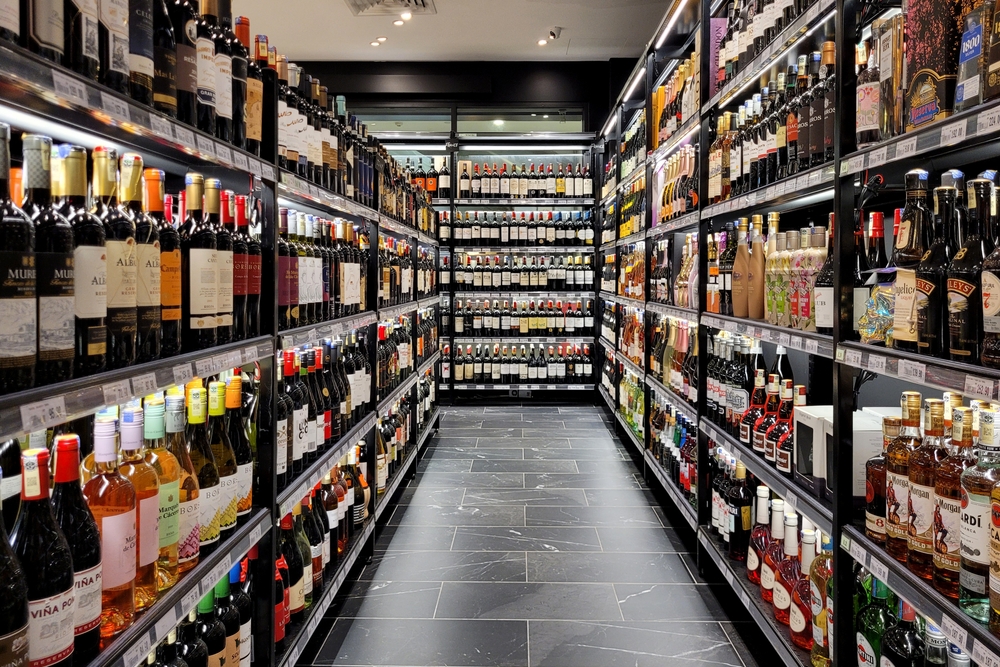
Have you ever squeezed your cart through tight shelves and thought, “Why is this aisle so narrow?” It’s not random. Grocery designers and retailers deliberately adjust aisle width to balance crowd flow, product exposure, and profit potential. The narrowness is a hidden tool—part space optimization, part psychological leverage. Once you understand the “why” behind grocery store aisles, you’ll shop with a keener eye. Let’s dive into the factors shaping those tight walkways.

Maximizing Shelf Space for Profits

One major driver of narrow aisles is that shelf space equals dollars. Every linear foot of shelving can display products, so narrowing the walking space allows more racks, more vertical layers, and more opportunity to show goods. Retailers often push the envelope—making aisles as tight as possible without triggering congestion. According to retail layout guides, stores with overly wide aisles “waste valuable floor space” that could be used for inventory or promotional displays. The result: shoppers walk “closer” to merchandise at all times.

Directing Traffic and Forcing Exposure

Narrow aisles, slow movement, just enough that you see more items along the way. Retailers use this to their advantage—making you linger, spot impulse products, or pause near endcaps. Long, narrow corridors filled with products increase your time in the store, raising the chances you’ll pick up extras. Stores deliberately build long aisles with stacked goods to encourage more browsing and unplanned purchases. Narrow aisles enhance that effect by subtly constraining speed.

Logistics, Restocking & Backroom Efficiency

Beyond marketing, narrow aisles help stores with behind-the-scenes logistics. A tighter layout lets the store reduce walking distance between shelves, simplifying restocking and inventory flows. Smaller aisle footprints also shrink backroom footprints or support areas. When shelves are denser, staff can reach more items in less real estate, cutting operational waste. In small-store design advice, optimizing aisle width is a recurring recommendation to make each square foot work harder.

Psychological Pressure & Shopper Behavior

Narrow aisles provoke a kind of mild claustrophobia—pushing you to move but also scan carefully. It’s part of the psychology behind store layouts: constrained space encourages decision speed, reduces “loitering,” and triggers urgency. Retail display experts note that well-planned store layouts “influence behavior and encourage shoppers to linger” while preventing aimless wandering. When you feel space pressing in, you’re more likely to move through, glance at more products, and pick things up.

Safety, Accessibility & Regulatory Balancing Acts

Despite a narrow appearance, stores must still meet safety, accessibility, and building codes. Aisles cannot be so narrow as to block emergency egress or violate ADA (Americans with Disabilities Act) requirements. Therefore, narrow aisles represent the tightest “safe” margin retailers can legally maintain. Some narrower aisles may even operate as one-way during busy hours to reduce two-cart jams. Indeed, research on one-way aisle layouts reveals how stores sometimes repurpose widths by managing directional flow. Retailers balance product exposure with safety compliance.

Compromises & Customer Frustrations

Of course, narrow aisles come with drawbacks—and customer complaints often reflect them. Crowding, difficulty passing, awkward cart maneuvers, and blocked paths plague many shoppers. Stores sometimes struggle to restock shelves during peak times because aisles are too tight to roll carts through. Indeed, small store layout write-ups mention that narrow aisles “mean you can’t restock during your busiest hours,” leading to empty shelves and frustrated buyers. Retailers carefully calibrate aisle widths to minimize those issues—but the tension is real.

Aisles That Look Narrower Than They Are

Trick of the eye: many grocery aisles are narrower than they feel, thanks to lighting, shelving height, and visual design. Tall shelving with slim aisles gives the illusion of depth but compresses lateral space. Endcaps, promotional displays, and angled displays at aisle entrances can further restrict perceived width. What feels roomy in fly-through retail magazines often is tighter in reality. The interplay of vertical lines, ambient lighting, and shelving creates that compressed effect.

Why Your Cart Feels Like a Wedge Every Time

When you’re pushing a full cart down a grocery aisle, the narrowness becomes visceral. Retailers intentionally squeeze side clearance so you’re closer to merchandise—encouraging engagement. Those tight margins increase your chances of grabbing something you didn’t plan. But the design also comes with frustration: stalled traffic, difficulty passing, and collisions. The next time your cart feels like it’s scraping the shelves, know it’s not your fault—but probably not accidental either.

When was the last time an aisle felt impossible to maneuver? Share your narrow-aisle stories or tips for dealing with tight grocery stores in the comments below!

What to Read Next

The post Why Are Grocery Store Aisles So Narrow? appeared first on Grocery Coupon Guide.

Sign up to read this article
Read news from 100’s of titles, curated specifically for you.
Already a member? Sign in here
Related Stories
Top stories on inkl right now
One subscription that gives you access to news from hundreds of sites
Already a member? Sign in here
Our Picks
Fourteen days free
Download the app
One app. One membership.
100+ trusted global sources.