
Many of the biggest online platforms have long argued they aren’t publishers of the content their users upload, merely hosts. The likes of Google, YouTube, Meta and TikTok claim they simply store and display information created by others, so should not be seen as legally responsible for it.
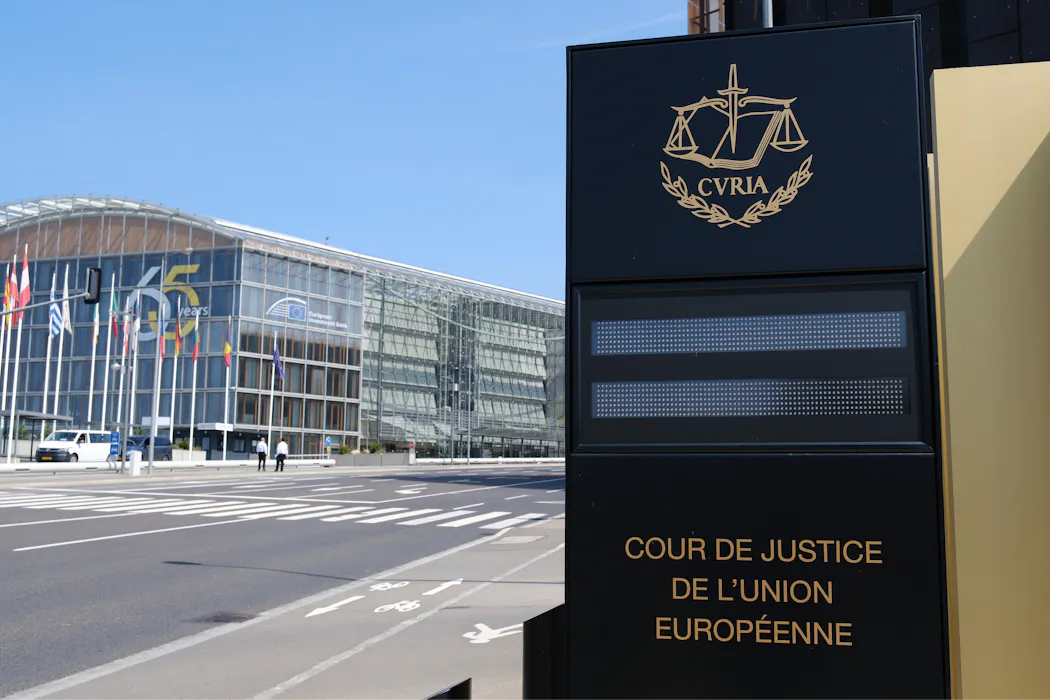
But a recent ruling by the Court of Justice of the European Union (CJEU) makes that argument harder to maintain – at least in cases where the platform’s algorithm is deciding which content gets pushed, ranked or amplified.














