
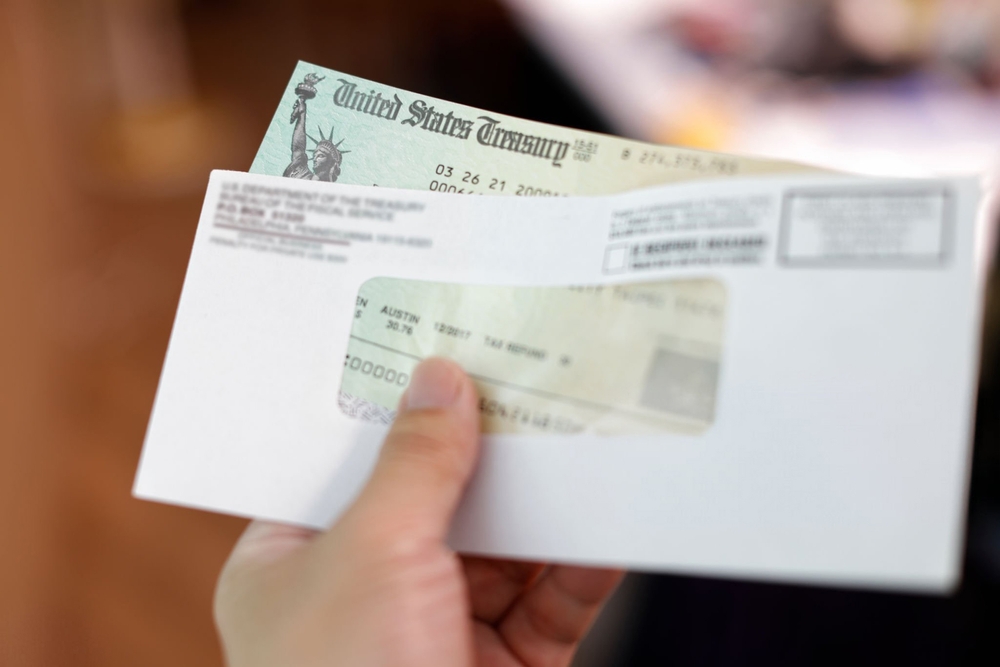
If you’ve ever used your tax refund as the unofficial kickoff to summer planning, you’re not alone. For years, families have relied on that springtime cash boost to cover everything from camp deposits to sunscreen. But 2026 is shaping up to be a rude awakening. Tax refunds are smaller for many households this year, while summer camp prices are marching upward like they’re training for a marathon.
This isn’t about bad budgeting or overspending. It’s about two major trends colliding at the worst possible moment: shrinking refunds and rising childcare costs. And if you’re wondering why your refund doesn’t stretch the way it used to—or why day camp suddenly costs as much as a weekend getaway—you’re in the right place.

Refund Reality Check: Why Many Households Are Getting Less Back in 2026
Tax refunds fluctuate from year to year, but 2026 is delivering a noticeable dip for many families. Several factors are contributing to smaller refunds, and none of them have anything to do with how well you filled out your forms.
One major reason is that many taxpayers had less withheld from their paychecks throughout 2025. When withholding decreases, take‑home pay rises—but refunds shrink. It’s not a penalty; it’s just math. Another factor is that some temporary tax provisions from previous years have fully phased out, meaning fewer credits and smaller totals for families who had grown used to more generous returns.
Additionally, inflation adjustments to tax brackets can shift how much taxpayers owe versus how much they expect to get back. Even if your income didn’t change dramatically, the way it’s taxed might have.
Meanwhile, Summer Camp Costs Are Rising Faster Than Your Refund
If you’ve looked at summer camp prices lately, you may have wondered whether they accidentally added an extra zero. Camps across the country have raised prices due to higher staffing costs, increased insurance premiums, rising food expenses, and expanded safety requirements. These aren’t luxury upgrades—just the cost of running a program in 2026.
Day camps, overnight camps, specialty camps, and even half‑day programs have all seen price increases. Some camps cite higher wages for counselors and support staff, which is good news for workers but tough on family budgets. Others point to increased demand; after several years of fluctuating schedules and limited availability, parents are eager to secure spots early, and camps know it.
The Child and Dependent Care Tax Credit Isn’t the Lifeline It Used to Be
Many parents rely on the Child and Dependent Care Tax Credit to offset summer camp costs, since day camps often qualify as childcare expenses. But the expanded version of this credit that temporarily boosted refunds in past years is no longer in effect. The credit has reverted to its pre‑expansion structure, which means lower maximum amounts and more limited eligibility.
This doesn’t mean the credit is gone—it’s still available, and it still helps. But it’s not the substantial refund‑booster it once was. Families who grew accustomed to the expanded credit may be surprised to find that their refund is smaller even though their childcare expenses haven’t changed.
Why the Timing Makes Everything Feel Worse
Tax refunds typically arrive in late winter or early spring—the exact moment when summer camp deposits are due. This timing has always made refunds feel like a natural funding source. But when refunds shrink and camp costs rise simultaneously, families feel the squeeze months before summer even begins.
The psychological effect is real. When you expect a certain refund amount and it comes in lower, it feels like losing money—even though technically, it was your money all along. Combine that with rising camp prices, and it’s easy to feel like the financial rug has been pulled out from under you.
How Families Can Navigate the 2026 Refund‑Camp Gap
You’re not powerless. While you can’t control tax policy or camp pricing, you can take steps to make summer more manageable.
Start by comparing camp options early. Prices vary widely, and some community‑based programs offer more affordable alternatives. Consider mixing lower‑cost weeks with specialty camps to balance the budget. If your schedule allows, look into part‑time programs or shorter sessions.
Also, revisit your tax withholding for the year ahead. If your refund was smaller than expected, adjusting your withholding can help you avoid surprises next spring. It won’t change what you owe overall, but it can help you plan more effectively.
Summer Isn’t Cancelled—But It Does Require a New Strategy
Summer camp is still possible in 2026. It just requires more planning, more comparison‑shopping, and a little more creativity than in years past. Smaller refunds don’t mean you’ve done anything wrong—they’re simply the result of shifting tax rules and economic realities. And rising camp costs aren’t a sign that camps are trying to gouge families; they’re responding to the same inflation pressures affecting everyone else.
What’s your take? Did your refund fall short of your summer plans, or did you find a creative workaround? Share your thoughts in the comments.
You May Also Like…
The Unexpected Tax: 11 Unexpected Taxes For New Parents
Child Savings: 11 Unexpected Taxes That Destroy Child Savings
Why So Many Parents Feel Financially Behind Every January
Tax Shock: 11 Unexpected Taxes for New Parents
How to Use Kids’ Holiday Gift Money to Start a Savings Habit Before They Spend
The post Why 2026 Tax Refunds Won’t Cover the Cost of Summer Camp This Year appeared first on Kids Ain't Cheap.








