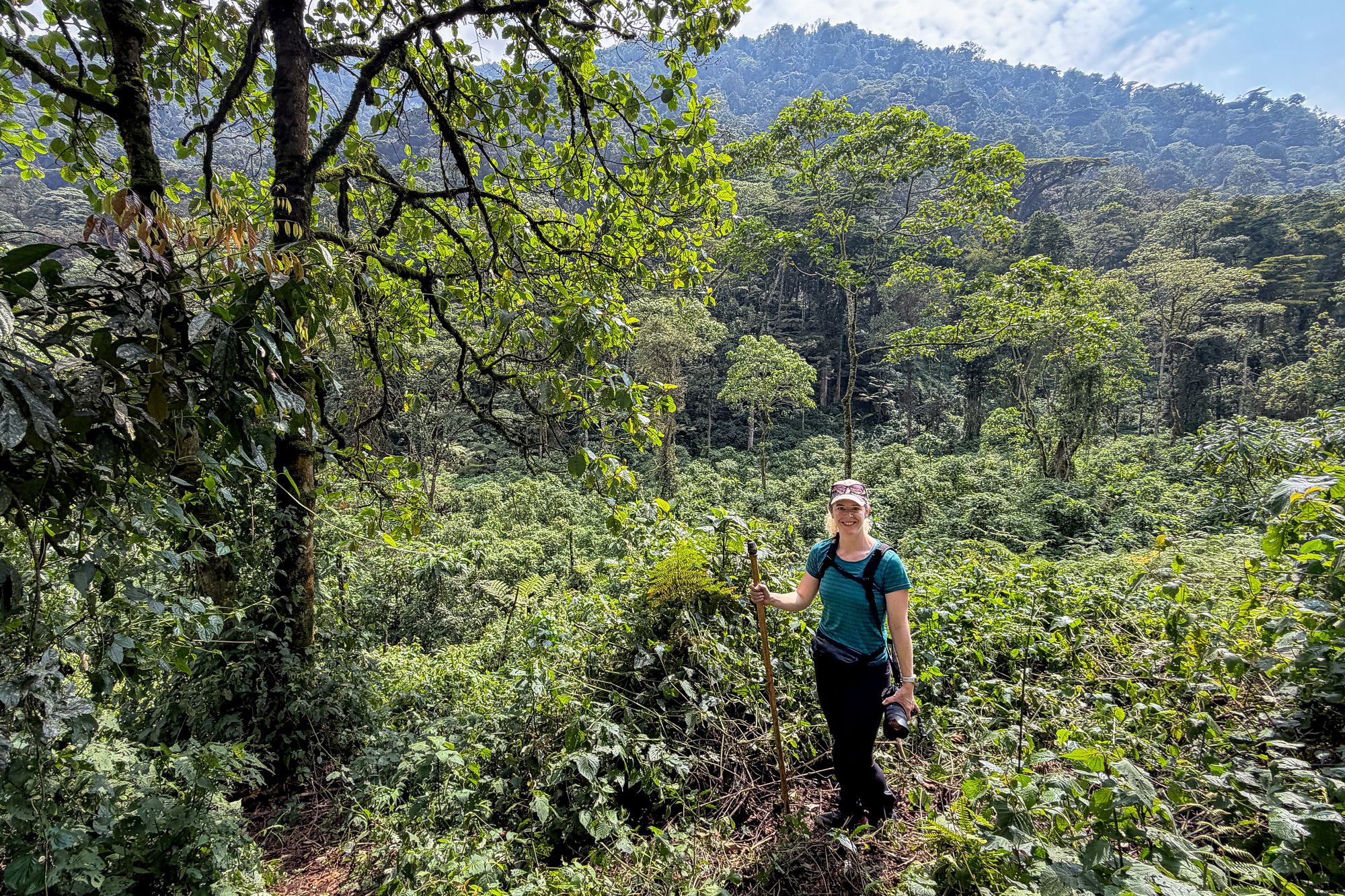
Gorillas have no respect for privacy. I learnt this the hard way, trying to have a “bush wee” amid waist-high bracken in Uganda’s Bwindi Impenetrable Forest. For the past hour I’d been following my guide, Asif Cherubet, as he hacked at branches with a machete and led my group across boot-sucking mud patches, when news crackled through the radio. The trackers had found the gorilla family we’d been searching for and they were nearby.
Grabbing a last-chance bathroom break, I waded into the undergrowth – but it was too late. Before I could find a sheltered spot, there came a snapping of branches as a heavy figure rustled towards us. “That’s a gorilla,” whispered Asif. “The family is right here.”
According to a 2018 census, there are just 1,063 mountain gorillas left in the wild, all living in this region of East Africa. About 600 of them live in the Virunga Mountains spanning Uganda, Rwanda and the Democratic Republic of Congo (DRC), while the rest live here in the highland forest of Bwindi, in Uganda’s southwestern corner.
Read more: How to experience Africa’s wildest coastline from the comfort of your balcony
For me, this is the best place to see them. While Rwanda’s treks come with a gorilla-sized price tag of over £1,000 per person, you can safely visit Uganda’s great apes for a much more affordable around £600. And last May, Uganda Airlines launched direct flights from London Gatwick to Entebbe, making gorilla encounters more accessible than ever before.
Seven years on from the last, a new gorilla count is underway, with results due in 2026 – and they’re expecting good news. “During Covid many babies were born,” a guide named Said Katungi, told me. “So the number is likely to increase.”
It’s a dramatic turnaround for the gorillas, whose population dwindled to just 250 in the 1980s due to disease, poaching and habitat loss. Today, they’ve been downgraded on the IUCN Red List from Critically Endangered to Endangered, a precarious yet significant triumph for the conservationists who’ve worked so hard to bring them back from the brink.
For most people a gorilla trek is a once-in-a-lifetime experience, but I was lucky to be on my second. In 2018, I spent three months volunteering in Uganda’s capital, Kampala, and exploring the country at weekends. My first gorilla visit was a soggy affair, pelted by torrential African rains that I cursed rather than blessed (sorry, Toto). Yet that moment when I locked eyes with the silverback, his fur matted and glistening, made the soaked socks and nettle-stung hands fade into insignificance.
Read more: Wildwaters Lodge Uganda hotel review
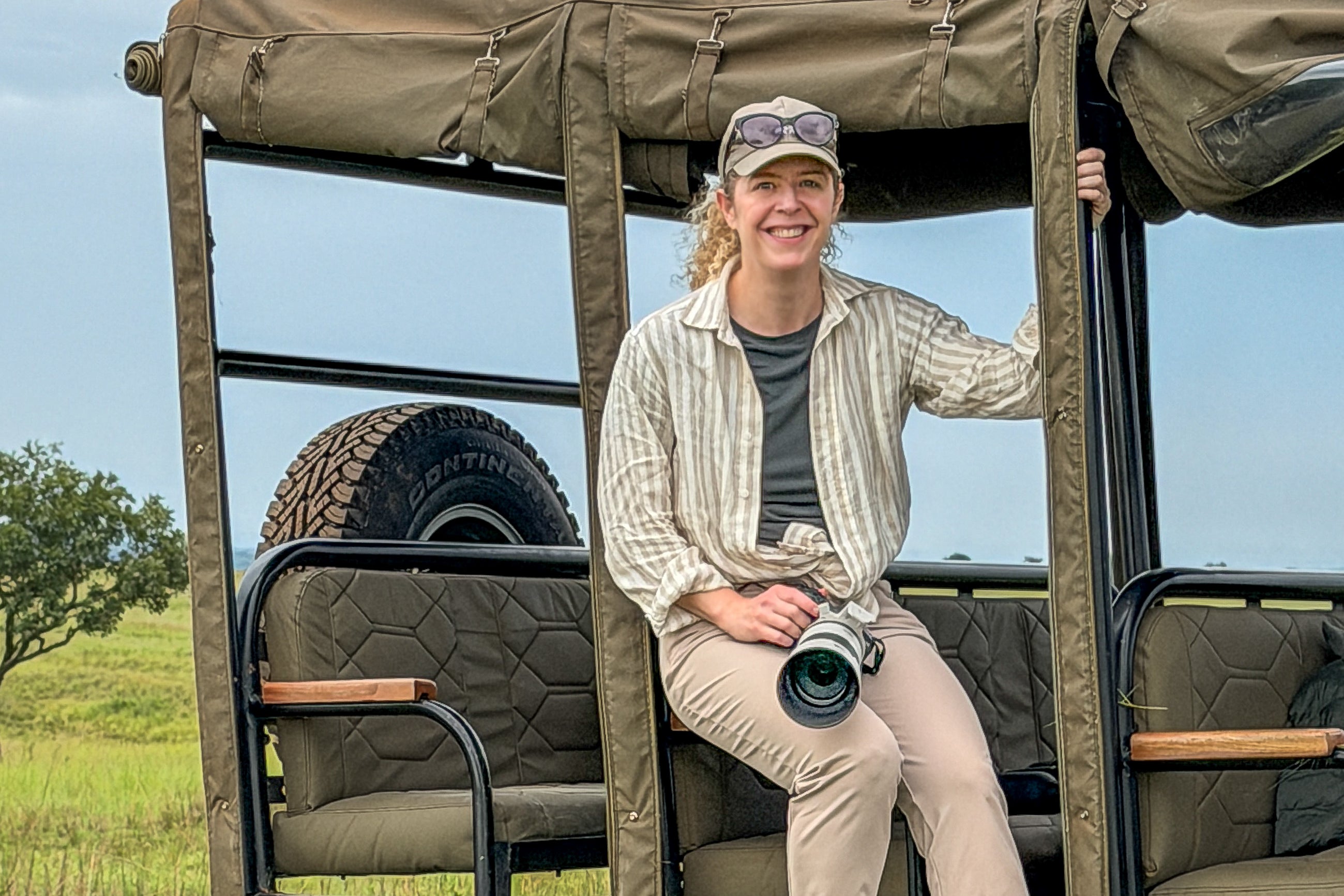
This time was considerably more comfortable. I travelled with WildPlaces Africa, a conservation-focused, family-owned company which operates six luxury properties in Uganda’s most untouched areas, with a seventh opening in early 2026. I started at Papa’s Camp in Murchison Falls National Park, where by day we combed the swaying elephant grass in search of the resident lion pride, and by night I was lulled to sleep by the River Nile as it rushed past the doorstep of my cosy safari tent.
From there I travelled south to the chic River Station Lodge in Queen Elizabeth National Park, where I was served a round-the-clock programme of irascible hippos, grouchy buffalo and haughty pelicans, all without stepping off the front deck. When I did, it was to visit Uganda’s other top primates – chimpanzees – hiking through the “lost forest” of Kyambura Gorge for an intense hour with our closest genetic relatives.
But the gorillas were the top draw. To reach them, we ascended into the mountains, past terraced hillsides patchworked with banana plantations and cabbage fields, until we reached Clouds Mountain Lodge on the edge of Bwindi National Park.
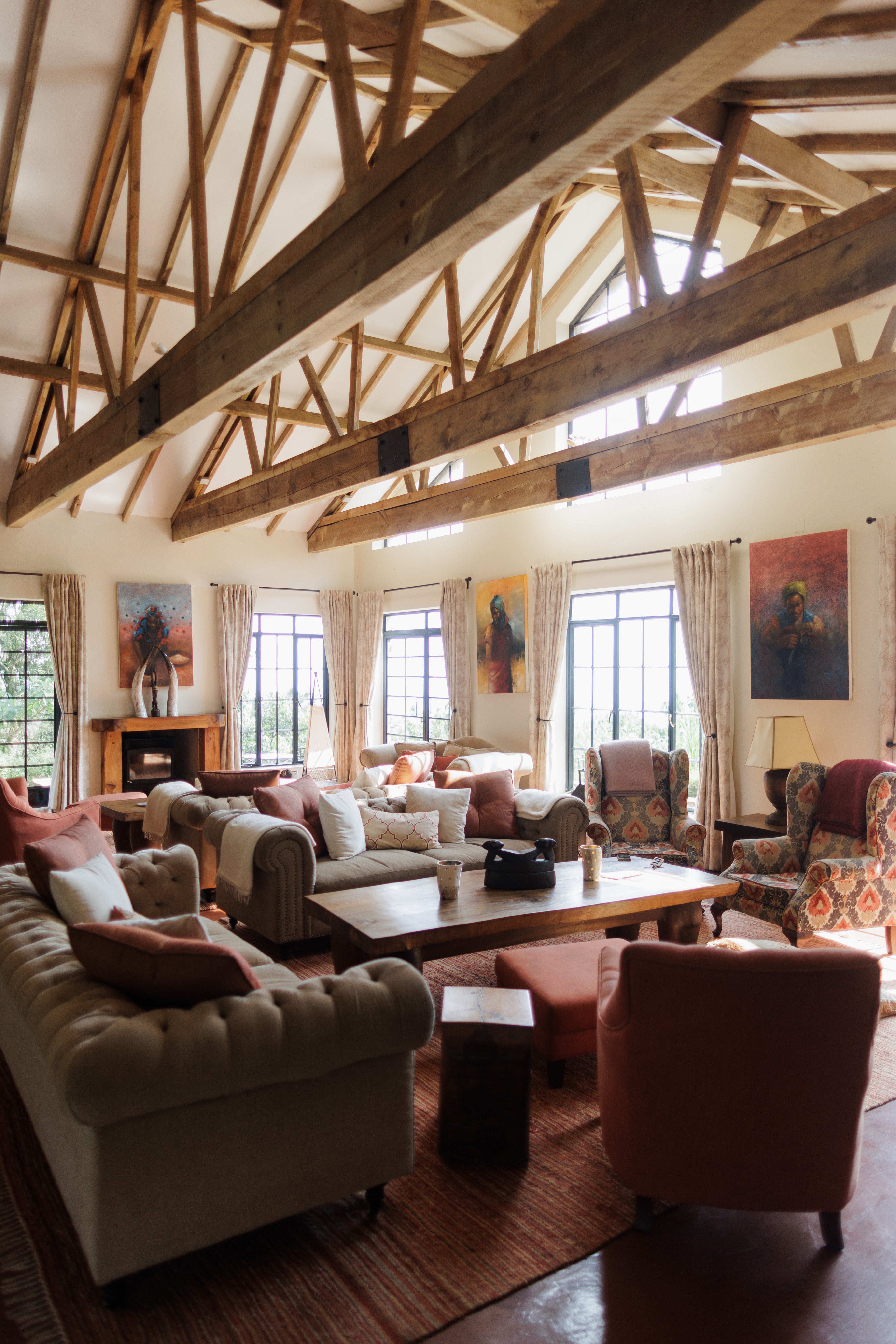
Sitting on a ridge at 2,000 metres, with views of the Virunga volcanoes, Clouds is like a Scottish Highlands retreat dropped into the tropics, with private stone cottages, crackling fireplaces and squishy sofas just demanding to be sunk into with a glass of whisky.
But this is no colonial-era outpost. Clouds was set up 20 years ago in partnership with the African Wildlife Foundation and the local community to generate revenue from tourism: a nightly guest levy directly funds local schools, a health centre, and an innovative “buffer zone” – a 12-kilometre tea plantation between the forest and community land.
“Gorillas hate tea,” explained WildPlaces Africa’s owner Johnny Wright. “So the plantation stops them from raiding farmers’ crops. The gorillas are protected, the locals have another source of income, and we’ve raised over £1.5m for conservation and community projects.”
None of this would have been possible without the work of one woman. Sixty years ago, in 1966, Dian Fossey began habituating the wild gorillas of this region to accept human presence. Back then, populations were in free fall due to conflict and poaching: adults were shot for trophies and infants were sold to zoos. Today, thanks to Fossey’s dedication, gorillas are worth more alive than dead, and gorilla tourism not only directly funds their conservation, but supports Uganda’s other, less-visited parks.
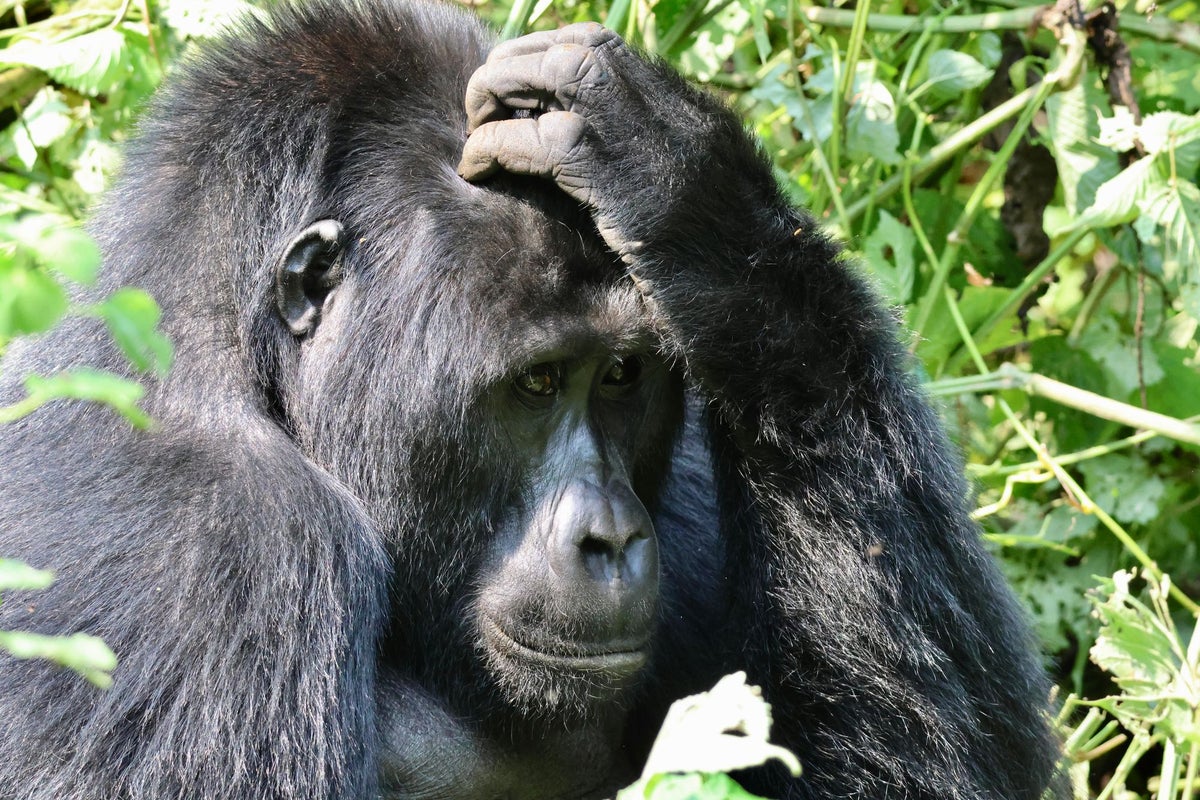
Magara, the silverback of the Posho family of gorillas who our trackers had been looking for, may never have heard of Fossey. But her techniques, handed down through generations of rangers, are the reason he now sat just a few metres away, observing us with bright amber eyes. Nearby, a cast of characters sprawled and fidgeted like relatives after Sunday lunch: teenager Bucyenura lounged on the flattened ferns, while six-year old Rutakara – the one who’d interrupted my pit stop – perched in a tree snacking on fresh leaves.
We only had one hour with them, but for a longer adventure, Bwindi also offers a Gorilla Habituation Experience, where you shadow the rangers as they work with a semi-habituated family. Over four hours, you’ll learn how they track the gorillas, identify nests, and mimic gorilla behaviour to teach a new generation that humans pose no threat.
Read more: How to experience Africa’s wildest coastline from the comfort of your balcony
It's a lesson the Posho adults are now handing down to their offspring. Magara rolled onto his back, eyes closed, a picture of indifference. Young mother Mpangare carefully groomed her two-year-old, Kyangara. And I sat on a log, taking photo after photo, my bathroom break completely forgotten.
Bella’s trip was hosted by WildPlaces Africa.
How to do it
WildPlaces Africa offers an eight-night gorilla trekking package from £6,654 per person, including accommodation, game drives, park fees, domestic flights and overland transfers. Excludes international flights and gorilla trekking (which costs £605 per person for one hour).
Direct flights from London Gatwick to Entebbe with Uganda Airlines operate four times a week and cost from about £850 return. From there you can take a one-hour internal flight to Kisoro followed by a road transfer (around one hour), or a scenic drive from Entebbe (eight to nine hours).
Where to stay
Clouds Mountain Gorilla Lodge is a 10-minute drive from the Nkuringo trailhead for gorilla trekking. A private cottage costs from £733 per night, full-board, based on two adults sharing (up to £1,225 per night in peak season).
Rushaga Gorilla Lodge offers rooms from £83 per night, including breakfast. Rushaga is about 40 minutes’ drive from Nkuringo and is where the Gorilla Habitation Experience trips depart from.
In Uganda, a vibrant tourist economy boosts the conservation of endangered mountain gorillas
Where is hot in December? Best holiday destinations for winter sun in 2025
Six unexpected winter sun destinations to visit instead of the overcrowded hotspots
Why now is the time to visit Egypt — and a Nile cruise is the perfect way to explore