
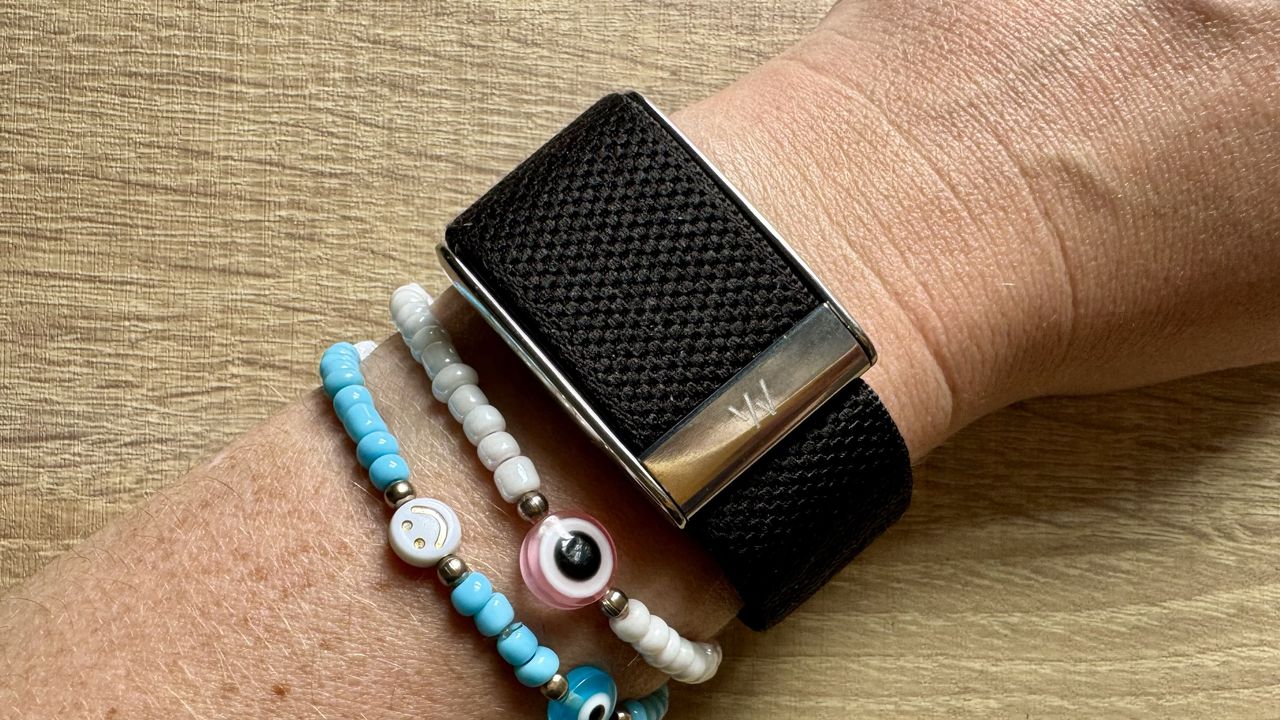
Whoop has scored an early win in its case against Lexqi after a judge granted a preliminary injection to halt sales of the Chinese brand’s screenless fitness tracker in the U.S.
Last year Whoop sued both Lexqi and Polar for ‘copying’ the design of its wearable—allegations that Polar firmly denied when we asked them for comment on the case—and while both cases are ongoing, this injunction seems to strengthen Whoop’s case against Lexqi in particular.

The injunction orders Lexqi to immediately stop selling its device in the U.S. while the litigation continues, and the court found Whoop was likely to be successful in its claim that Lexqi infringed on its trade dress.
What is the Whoop trade dress?

Both the Lexqi and Polar cases hinge on the claim that rival products infringe on the Whoop trade dress, which is the design of the tracker.
Whoop claims certain key design features are part of this trade dress — namely “a continuous fabric band that wraps over the device (i.e. a faceless device) with thin metal accents on the side of the device.”
This trade dress is argued to be aesthetic rather than functional, which is important because if the design choices were functional they wouldn’t be protectable.
Whoop’s argument is the design is distinctive and identifiable as a Whoop brand, so products that infringe on the trade dress could confuse consumers.
Based on this injunction, the court agrees with Whoop on this front with regards to Lexqi’s tracker.
What does this mean for other screenless wearables?

While nothing is yet decided in either of Whoop’s legal cases, this injunction certainly strengthens its claims that similar products infringe upon the Whoop band’s trade dress.
The case against Polar relates to the Polar Loop tracker and is being held in a different court in New York. Whoop has also filed for a preliminary injunction, but the request is still being reviewed.
Should Whoop be successful in both cases it will be significant in how other brands look to enter the screenless wearable market. Garmin is one brand that has long been rumored to be making a screenless tracker, and did launch one of sorts in the Garmin Index Sleep Monitor last year, though this is only designed to track sleep, not daily activity.
If Whoop’s design is determined to be distinctive and protectable, other brands may have to take a very different approach with any wearables in the area.

Follow Tom's Guide on Google News and add us as a preferred source to get our up-to-date news, analysis, and reviews in your feeds.







