
Get all your news in one place.
100's of premium titles.
One app.
Start reading
International Business Times UK
Business
Ma. Kyla Morco

Who Pays When a Tornado Destroys Your Campsite? What Travellers Should Know About Insurance

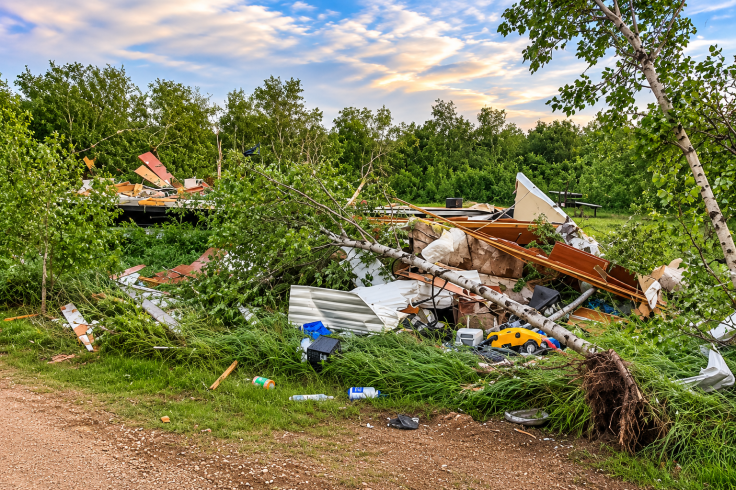
Destroyed campers and fallen trees scattered across Dillberry Lake Provincial Park after two tornadoes forced evacuations and left travellers assessing the damage's financial cost. (Credit: Jason and Amanda Stuber / CBC / Submitted)

The two tornadoes that tore through an Alberta campground this week, damaging camping units, uprooting trees, and sending three people to hospital, have also highlighted a financial question many holidaymakers never consider until disaster strikes: who pays when severe weather destroys your campsite?

Emergency officials confirmed that dozens of campsites at Dillberry Lake Provincial Park were affected after tornadoes swept through eastern Alberta, forcing campers to evacuate and leaving damaged trailers, smashed vehicles, and scattered belongings in their wake.

While Alberta Parks said affected camping reservations would be refunded, reimbursement for damaged tents, caravans, recreational vehicles (RVs), and personal belongings depends largely on the type of insurance travellers have before they leave home.

For anyone planning a camping holiday this summer, the incident serves as a reminder that extreme weather can become an expensive financial setback as well as a safety emergency.

What Happened in Alberta

Environment and Climate Change Canada confirmed that two tornadoes touched down in eastern Alberta after a powerful storm swept through the region on Wednesday evening. RCMP evacuated campers from Dillberry Lake Provincial Park after multiple camping units sustained significant damage. Three adults were taken to hospital, including one person who sustained life-threatening injuries.

Campers described trees crashing onto vehicles, trailers being overturned, and roads becoming impassable as emergency crews worked through the night. The park has since closed indefinitely while officials assess the damage and restore infrastructure.

Although refunds are being offered for cancelled camping reservations, the destruction raises broader questions about who covers damaged equipment and personal property.

What Insurance May Cover

Whether travellers receive compensation often depends on the insurance they purchased before travelling. Many comprehensive travel insurance policies include trip interruption or trip cancellation benefits if severe weather forces a holiday to end early or prevents travellers from reaching their destination.

However, these policies do not automatically pay for damaged camping equipment. Instead, tents, clothing, camping gear, electronics, and other personal belongings are often covered under home contents insurance or separate personal property coverage, depending on the policy.

For travellers using motorhomes or caravans, RV insurance typically covers storm-related damage if comprehensive cover has been purchased. Vehicle insurance may also cover damage caused by falling trees, flying debris or hail where comprehensive cover applies. Because policies differ between insurers, travellers should check their excess, weather exclusions, and coverage limits before travelling.

The Costs Can Add Up Quickly

Replacing a family's camping equipment after a major storm can become costly. A quality tent, sleeping bags, cooking equipment, portable power stations, bicycles, and outdoor furniture can easily amount to several thousand pounds or dollars, depending on the equipment carried.

If a caravan or camper trailer is damaged beyond repair, repair or replacement costs may rise substantially. Travellers who are forced to leave early may also face additional hotel costs, transport expenses or replacement bookings that are not automatically reimbursed unless their insurance specifically includes trip interruption benefits.

Why This Matters as Extreme Weather Increases

According to Environment and Climate Change Canada, tornadoes remain relatively uncommon, but severe weather events have become a growing concern during Canada's summer camping season.

David Sills, director of Western University's Northern Tornadoes Project, said 57 tornadoes have already been recorded across Canada this year, with most occurring in the Prairie provinces.

The Alberta incident also highlighted another risk facing travellers: mobile communications failed in parts of the campground, slowing efforts to account for everyone after the storm. Financial experts generally recommend reviewing insurance policies before travelling to understand what is and is not protected if extreme weather disrupts a holiday.

What Campers Should Check Before Their Next Trip

Before heading to a campsite, travellers should review whether their policies include:

  • Cover for storm or tornado damage to camping equipment
  • Protection for caravans, motorhomes or trailers
  • Trip interruption or cancellation benefits
  • Emergency accommodation expenses
  • Personal belongings, such as electronics and sporting equipment

Keeping photographs of expensive equipment and receipts can also help speed up insurance claims if belongings are damaged or destroyed.

The destruction at Dillberry Lake Provincial Park serves as a reminder that while severe weather cannot always be avoided, understanding what your insurance covers before setting off may help prevent an unexpected financial shock after the storm has passed.

Sign up to read this article
Read news from 100's of titles, curated specifically for you.
Already a member? Sign in here
Related Stories
Top stories on inkl right now
One subscription that gives you access to news from hundreds of sites
Already a member? Sign in here
Our Picks
Fourteen days free
Download the app
One app. One membership.
100+ trusted global sources.







