Get all your news in one place.
100’s of premium titles.
One app.
Start reading
The Independent UK
The Independent UK
Ariana Baio

White House is looking ‘under every rock’ to solve rising gas prices after Trump’s war in Iran spikes costs, report says

White House officials are reportedly scrambling to reassure Americans that they have gas prices under control, after costs spiked this week due to the war in Iran.

One week ago, U.S. nationwide gasoline prices were $2.98 per gallon but, after President Donald Trump ordered the military to begin strikes on Iran, igniting more instability in the Middle East, prices are up to $3.25, according to AAA.

Trump brushed off concerns Wednesday, saying oil prices would be high “for a little while” but the prices would drop “lower than ever before” once the war ends. Energy Secretary Chris Wright insisted the price increases were “temporary.” White House Press Secretary Karoline Leavitt said Thursday the administration had been “planning for this.”

But one unnamed energy industry executive familiar with conversations described the White House’s current approach as “looking under every rock for ideas on improving energy prices,” according to Politico.

The same executive told the news outlet that Wright and Interior Secretary Doug Burgum were getting “screamed at” to find “good news.”

Leavitt refuted that claim in a statement Thursday, calling Politico’s report “sensationalist, unverified gossip for clicks.”

“Nobody is panicking,” Leavitt said. “President Trump’s entire energy team, from the White House to the National Energy Dominance Council to Secretaries Wright and Bessent, have a game plan to keep oil prices stable throughout Operation Epic Fury.”

The attacks by the U.S. and Israel have led Iran to conduct retaliatory strikes – some targeting oil tankers in the Strait of Hormuz. Now, the water passageway that is typically filled with oil tankers and cargo ships is nearly empty and the global supply chain is feeling the impact.

Geopolitical events in the Middle East typically impact gas prices because oil infrastructure is disrupted.

Although the U.S. is the largest producer of crude oil worldwide, nearly a third of its production is exported, and one-third of the oil used in the U.S. is imported. That is because the type of crude oil produced in the U.S. is considered “light” and not suitable for diesel, kerosene and other fuel oils.

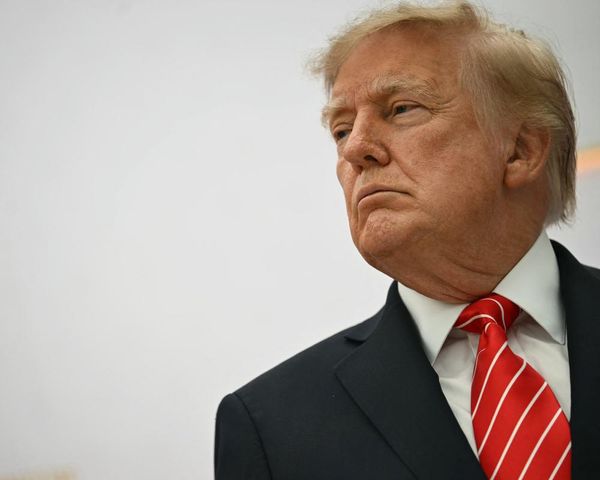
Trump said Thursday that while gas prices may rise, it would only be temporary until the end of the war in Iran (AP)

Leavitt said the administration was going to tap into “newfound oil markets in Venezuela” – an opportunity only available because the president seized Venezuelan leader Nicolás Maduro in January.

The United States Development Finance Corporation, an independent agency that invests in development projects in lower and middle-income countries, is providing political risk insurance “at a very reasonable price” for crude carriers and cargo ships in and around the Gulf.

Trump also said the U.S. Navy would escort oil tankers through the Strait of Hormuz if necessary.

While oil prices have risen, they still remain lower than at their peak in 2024.

Sign up to read this article
Read news from 100’s of titles, curated specifically for you.
Already a member? Sign in here
Related Stories
Top stories on inkl right now
One subscription that gives you access to news from hundreds of sites
Already a member? Sign in here
Our Picks
Fourteen days free
Download the app
One app. One membership.
100+ trusted global sources.