This is true of most athletes transitioning from the field to the broadcast booth, but becomes especially so for Tom Brady: His success as a broadcaster—if we really, truly, actually get there, following Tuesday’s announcement from Fox that Brady will join the network after retirement and Brady doesn’t orchestrate some kind of black-ops NFL franchise takeover, installing himself in every key position—will rest solely on his willingness to tell the truth. Or, at least, some version of the truth.
Once most athletes hit the booth, their corporate life of titanium-member travel and insider access hinders their ability to be open and honest to the millions of people watching a game. It’s stunning how quickly players and broadcasters with real experience and opinions fall victim to the buddy system of coercion from head coaches, coordinators and PR executives, who spend their weekly closed-door pregame broadcast meetings propping themselves or their owners up and often see those talking points spewed directly into the microphone on game day. If you’re bored, go back and listen to a game from any point over the last 10 years featuring a team with controversy surrounding it (search for “Antonio Brown” here). Or even a team marred by a recent losing streak. Do the broadcasters ever really address the heart of the matter, burying a coaching staff or a front office, or do they wait for the embattled player or coach to make a play, then haughtily suggest: Nothing unseemly going on here.
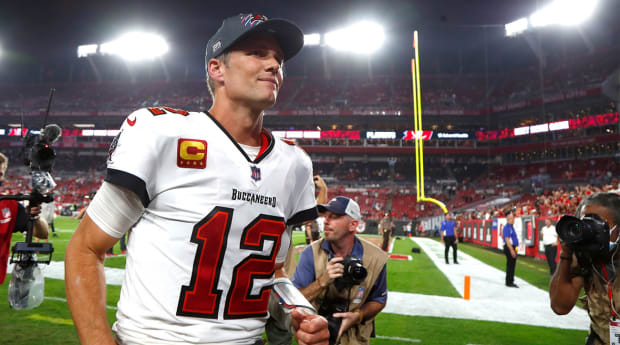
Kim Klement/USA TODAY Sports