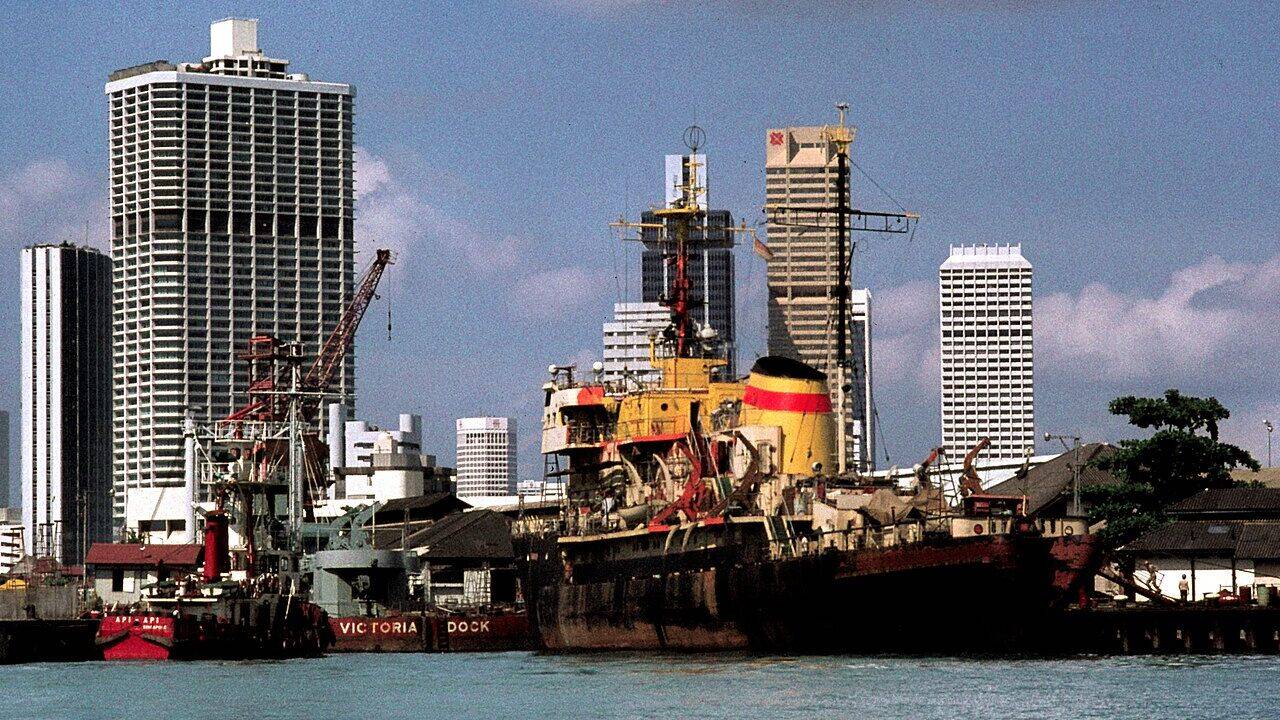
At first glance, the question sounds like a geography puzzle. Most cities belong to countries, and most countries contain many cities. Yet there is one place in Asia where those boundaries overlap completely. Singapore is both a sovereign nation and a city at the same time, making it one of the world's most unusual political and geographical entities.
The distinction often surprises people because Singapore is frequently described in different ways. It is called a country, a city-state and an island nation, depending on the context. All three descriptions are accurate. Unlike larger nations with multiple major urban centres, Singapore's entire territory functions as a single city while also operating as an independent state with its own government, laws and international representation. Its unique status reflects a historical path shaped by trade, colonial administration and independence rather than geography alone. Despite covering a relatively small area, Singapore has developed into a global financial, shipping and aviation hub, demonstrating how a city-state can exercise significant economic and diplomatic influence on the international stage.